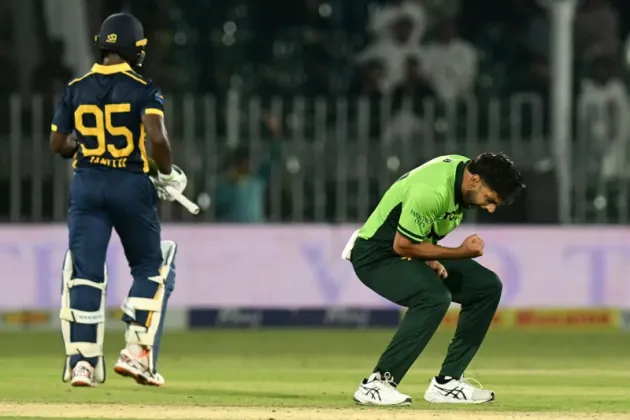
Pakistan opened the tri-nation series with a 37-run victory over Sri Lanka in the tournament's first match, played at Rawalpindi. Sent in to bat after losing the toss, Pakistan leaned on a superb century from Salman Ali Agha to build their total before being bowled out in 49.5 overs, and then handed the game to a sharp, disciplined fast-bowling effort that kept Sri Lanka's chase from ever taking control. The result gives Pakistan the ideal start to the competition, according to a report by RatoPati.
Agha's Century Anchors the Innings
Losing the toss and being asked to bat first is rarely the preferred outcome in one-day cricket. The batting side must set a target without knowing what a par score looks like, and any early stumble can compound quickly. Pakistan, however, found the anchor they needed in Salman Ali Agha, whose century gave the innings its spine after Sri Lanka won the toss and invited them in.
The value of the knock is difficult to overstate. Scoring a hundred in a fifty-over match demands judgment as much as talent: a batter must absorb pressure when wickets fall, rotate the strike through the middle overs and then find a second gear as the innings lengthens. By reaching three figures, Agha ensured that Pakistan's innings always had a fulcrum, a settled presence around whom the rest of the batting could organise itself.
The manner in which the innings ended carries its own significance. Pakistan were dismissed in the final over, at 49.5, which is never the ideal way to close a batting effort, yet using almost the entire quota of overs suggests an innings that was paced rather than panicked. The batters took the game deep, kept wickets in hand long enough to push the total along, and left their bowlers with something substantial to defend.
Fast Bowlers Take Command
If Agha's batting gave Pakistan the platform, the fast bowlers converted it into a win. Chasing at Rawalpindi, Sri Lanka needed a controlled, wicket-preserving effort, but Pakistan's pace attack bowled with the sharpness that ultimately decided the contest, ensuring the visiting side finished 37 runs short of its target.
The margin tells a story of its own. Thirty-seven runs in a fifty-over chase is close enough to indicate that Sri Lanka were in the fight for long stretches, yet decisive enough to show who controlled the passages that mattered. Successful defences in this format are usually built on pressure: dot balls that dry up the scoring, fields that force batters into risk, and breakthroughs that arrive just as the chase threatens to build. By the close, Pakistan's quicks had done enough of that work to power the side over the line, making the most of familiar home conditions in front of their own supporters.
Early Momentum in a Compact Tournament
Tri-series events are short by design, with a limited number of matches on the schedule, and that makes an opening result disproportionately valuable. Winning the first game does more than put a side ahead in the standings; it sets a psychological tone for everything that follows. For Pakistan, beginning the series with a century and a closed-out defensive effort is about as complete a template as a team could want at the start of a tournament.
For Sri Lanka, the defeat is a setback but not a terminal one. The 37-run margin suggests a side that was competitive without finding the decisive moments, and with further matches to come, the opportunity to respond will arrive quickly. Converting that competitiveness into wins will require sharper execution in the chase, particularly against a bowling attack operating with the control Pakistan's fast bowlers showed on the day.
Match at a Glance
- Result: Pakistan beat Sri Lanka by 37 runs
- Venue: Rawalpindi
- Toss: Sri Lanka won the toss and invited Pakistan to bat first
- Pakistan innings: Bowled out in 49.5 overs
- Standout performance: Salman Ali Agha's century
- Decisive phase: Pakistan's fast bowlers led the successful defence
The Road Ahead
Both teams will now turn their attention to the remainder of the series. Pakistan's task is to build on the momentum of a winning start, with Agha's form and the rhythm of the pace attack the clearest positives to carry forward. Sri Lanka, meanwhile, must regroup swiftly, because in a tournament this short a single defeat can place a side under immediate pressure in the race for the final.
Whatever the coming matches hold, the opening contest in Rawalpindi belonged to Pakistan: a century when it mattered, nearly the full quota of overs batted, and a fast-bowling performance that turned a hard-earned total into a 37-run win. Details of the match were reported by RatoPati and its English-language edition.