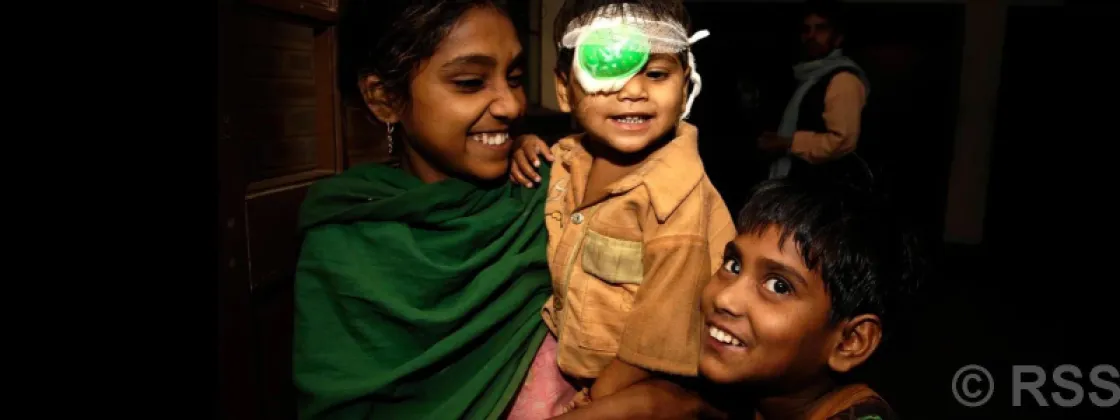
Nepal's eye care services have earned more than Rs 1.5 billion in foreign currency in a single year, as a growing number of foreign patients seek treatment at the country's eye hospitals. According to reports published by RatoPati, Nagarik News and Khabarhub, the inflow underlines how a sector built on humanitarian service has also become a meaningful source of foreign exchange. The achievement positions Nepal as an attractive destination for affordable health services and strengthens the country's broader health tourism potential.
Affordable, quality care at the heart of the appeal
The key draw for foreign patients is a combination that is not easy to find: quality treatment at a comparatively low cost. Nepali eye hospitals have built their reputation on delivering reliable care while keeping prices within reach, and that balance is now persuading patients from abroad to travel to Nepal for examinations, treatment and surgery.
For the patients themselves, the decision is a practical one. Treatment at Nepali eye hospitals comes at a comparatively low cost, yet the standard of care does not suffer. That makes the trip worthwhile, and as more people make the journey, the foreign currency they spend on their care flows directly into the domestic economy.
The result is visible in the sector's earnings. More than Rs 1.5 billion in foreign exchange entered Nepal through eye treatment in a single year, a sum that highlights the growing economic weight of a field of medicine that is often associated primarily with charity and public service.
An extensive network across the country
Behind these earnings stands an extensive service delivery structure. The Nepal Netra Jyoti Sangh network operates eye care facilities throughout the country, and its scale is central to the sector's success:
- 28 eye hospitals providing dedicated eye care services
- 226 eye treatment centres extending care to communities across the country
- Services delivered at a comparatively low cost
- A growing number of foreign patients seeking treatment at these facilities
This reach means eye care in Nepal is not confined to a single urban hub. With hospitals and treatment centres spread across the country, the network can serve large volumes of patients while maintaining the quality and affordability that have become its hallmark. That volume and consistency, in turn, underpin the reputation that draws patients from beyond Nepal's borders and sustains the foreign currency earnings recorded over the past year.
Foreign exchange alongside humanitarian service
Nagarik News described the development as a new basis for earning foreign exchange along with humanitarian services, and the framing captures the sector's dual character. Eye care in Nepal has always been, first and foremost, a service to patients. The arrival of foreign patients does not displace that mission; it complements it, bringing in revenue through the everyday work of treating people.
The economic logic is straightforward. Every foreign patient who chooses a Nepali eye hospital pays for care in foreign currency, and those individual payments accumulate into a significant total. More than Rs 1.5 billion in a single year is a substantial contribution from one field of medicine, and it is earned not through any special arrangement but through the skill of the professionals and the affordability of the services they provide.
The earnings also demonstrate that social objectives and economic returns can reinforce each other. The same network that treats patients across Nepal at low cost is now generating foreign exchange, adding a new dimension to the sector's contribution to the country.
A new frontier for health tourism
Perhaps the most significant implication of the figures lies in what they suggest about health tourism. The achievement has positioned Nepal as an attractive destination for affordable health services, and eye care is proving the concept. Patients who come to Nepal for treatment are, in effect, health travellers: they enter the country, spend foreign currency on care and return home with direct experience of the health system.
Several factors strengthen this potential:
- A track record of quality care at comparatively low cost
- An established network of 28 hospitals and 226 treatment centres
- Growing numbers of foreign patients choosing Nepali eye hospitals
- Demonstrated capacity to earn more than Rs 1.5 billion in foreign currency in a year
Together, these elements give Nepal's health tourism ambitions a credible foundation, with eye care serving as the leading example of what affordable, quality treatment can achieve.
For now, the numbers speak clearly. Twenty-eight eye hospitals and 226 treatment centres, serving patients from Nepal and abroad, helped generate more than Rs 1.5 billion in foreign currency in a single year. For a sector whose first purpose is to protect and restore eyesight, the earnings are a welcome additional achievement, and one that suggests eye care will continue to play a growing role in Nepal's economy alongside its enduring public health mission. }