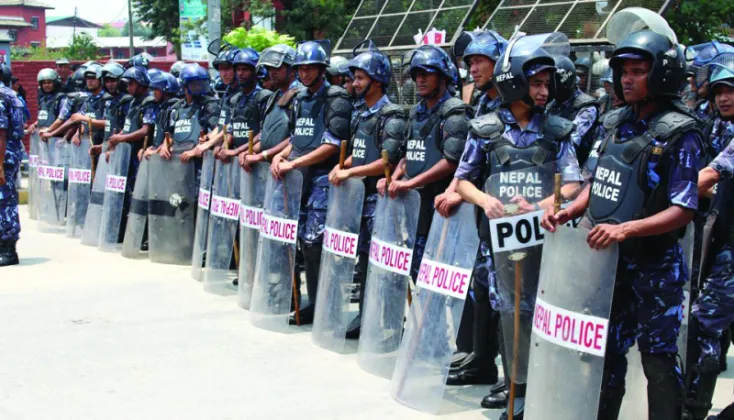
Nepal Police have enforced the 'Special Security Plan, 2083', a dedicated security arrangement centred on the country's major festivals, including Tihar, Nepal Sambat and Chhath. According to the Police Headquarters, personnel have been deployed as needed across the country to maintain peace and security and to check possible criminal and untoward activities during the festive period. The plan comes as households, markets and public spaces across Nepal fill with celebrations, travel and gatherings, a period that traditionally demands heightened vigilance from the security apparatus. The arrangements specifically aim to control theft, robbery, gambling, betting, quarrels and other criminal activities that tend to surface alongside the festivities.
Deployments Scaled to the Needs of the Season
The Police Headquarters has made clear that the special plan is festival-focused, meaning that security deployment will be guided by the rhythm of the celebrations themselves. Personnel have been stationed as required rather than through a fixed, uniform distribution, allowing the force to respond to where crowds gather and where the risk of untoward incidents is judged to be higher.
According to the Headquarters, the core objectives of the plan are:
- Maintaining peace and security throughout the festive period
- Checking possible criminal activities as they emerge
- Preventing untoward incidents during public celebrations
- Controlling theft, robbery, gambling, betting and quarrels
The festive season is one of the busiest stretches of the year for Nepal's security agencies. Markets see heavy footfall as people shop for the festivals, roads fill with travellers returning to their home districts, and neighbourhoods host rituals, singing groups and processions into the night. Each of these activities brings people together in large numbers, and each also creates conditions in which opportunistic crime can occur if left unwatched. By enforcing a special plan dedicated to this window, Nepal Police have signalled that the force will remain alert precisely when public life is at its most animated.
Keeping Festival-Season Crime in Check
The stated focus of the plan covers a familiar cluster of offences associated with the festive period. Theft and robbery typically become concerns when households hold cash, gold and gifts for festival rituals, and when busy markets provide cover for pickpockets and other offenders. Gambling and betting also tend to rise during the holidays, as card games and wagers become a common form of entertainment in homes and public places, activities that can quickly cross into illegality and sometimes spill over into disputes.
Quarrels are the other key target. Crowded bazaars, congested travel, late-night celebrations and alcohol consumption during festivals all raise the likelihood of altercations that can escalate if not checked early. By naming these offences explicitly in its plan, the Police Headquarters has indicated where its attention will be directed: protecting property, breaking up illegal gambling, and defusing situations before they turn into serious incidents of public disorder.
The enforcement of the plan was reported by My Republica, which noted that the deployments have been carried out as needed to keep the festive season peaceful.
Tihar, Nepal Sambat and Chhath: A Packed Festival Calendar
The special plan coincides with a dense stretch of Nepal's cultural calendar, in which three major festivals fall close together, each bringing its own patterns of gathering and movement.
Tihar
Tihar, the five-day festival of lights, is one of the most widely celebrated occasions in Nepal. Homes are decorated with oil lamps, lights and rangoli, people worship different animals on successive days, and goddess Laxmi is honoured for prosperity. The festival culminates in Bhai Tika, when sisters bless their brothers, prompting large movements of people between homes. Neighbourhood singing groups go door to door in the evenings, keeping streets active late into the night.
Nepal Sambat
Nepal Sambat marks the new year of the Nepal Sambat calendar and is observed with particular enthusiasm by the Newar community. Celebrations include public processions, cultural rallies and family rituals such as Mha Puja, in which individuals offer worship to themselves for good fortune in the coming year. These events draw participants into city squares and traditional quarter streets, adding to the volume of public gatherings during the season.
Chhath
Chhath is a major festival dedicated to the worship of the Sun God, observed with great devotion, particularly in the Tarai region. Devotees fast rigorously and offer prayers to the setting and rising sun while standing in rivers, ponds and other water bodies. The riverbanks and ghats fill with large crowds of worshippers and onlookers, creating mass gatherings that require careful management to remain safe and orderly.
Taken together, the three festivals mean days of continuous public celebration, late-night activity and significant crowd movement, all of which shaped the need for a dedicated security framework.
Vigilance Through the Festive Period
The Police Headquarters has indicated that the arrangements under the 'Special Security Plan, 2083' will operate according to need, with personnel positioned to maintain peace and security as the festivals unfold. With theft, robbery, gambling, betting, quarrels and other criminal activities named as the plan's specific targets, the force's message is one of preventive vigilance during a season when Nepali communities celebrate together in their largest numbers.