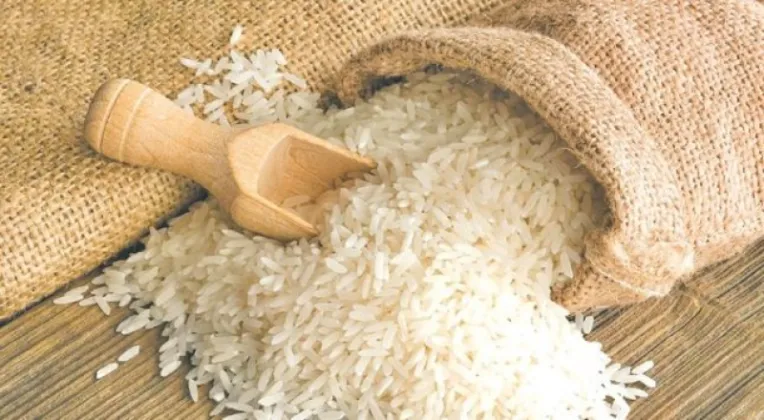
KATHMANDU - Nepal imported rice and paddy worth approximately Rs 5.41 billion in the first four months of the current fiscal year 2083/84, spanning the period from Shrawan to Kartik, according to foreign trade statistics published by the Department of Customs. The figures highlight the continued reliance of the country on external supplies for one of its most essential food commodities, even as the overall volume of imports dropped sharply.
While the value of imports remained substantial, the import quantity fell by more than 63 percent compared with the same period a year earlier. The steep decline in volume suggests a significant contraction in the amount of rice and paddy entering the Nepali market, which could reflect a range of factors including improved domestic production, changes in consumer demand, or adjustments in trade flows along the southern border.
India Dominates Rice and Paddy Imports
India continued to dominate Nepal's rice and paddy imports during the review period. The geographical proximity, established trade routes, and long-standing commercial ties between the two countries have traditionally made India the primary source of rice entering Nepal, and the latest statistics confirm that this pattern remains unchanged.
The dependence on Indian supplies has been a recurring feature of Nepal's food trade, with rice and paddy regularly featuring among the major agricultural commodities imported from the southern neighbour. The four-month figures reinforce the structural nature of this reliance, despite periodic government efforts to promote domestic production and achieve self-sufficiency in staple grains.
Sharp Drop in Import Quantity
The most striking element of the latest trade data is the steep decline in the quantity of rice and paddy imported. A fall of more than 63 percent year-on-year represents a dramatic contraction for such a key food item, and the figure stands out against the considerable import value of Rs 5.41 billion recorded over the same Shrawan to Kartik period.
Such a significant drop in volume can have multiple implications for the domestic market. Reduced import quantities may indicate better harvests at home, shifting consumption patterns, or price dynamics that make imported rice less competitive. Conversely, a sharp fall in imports can also raise questions about supply adequacy and price stability for consumers, particularly in urban areas that depend heavily on external supply chains.
What the Figures Mean for the Economy
Rice is the staple food of Nepal and holds central importance in the country's food security picture. Import figures for rice and paddy are therefore closely watched as indicators of both agricultural performance and trade balance. The Rs 5.41 billion spent on rice and paddy imports in just four months underscores how much foreign currency the country continues to spend on staple food items.
The Department of Customs publishes foreign trade statistics regularly, providing one of the most reliable snapshots of Nepal's import and export activity. The latest release covering the first four months of fiscal year 2083/84 adds to a broader picture of Nepal's trade dynamics, in which imports of goods ranging from petroleum products to agricultural commodities consistently outweigh exports.
Looking Ahead
As the fiscal year progresses, traders, policymakers and consumers will be watching whether the reduced import quantity represents a lasting trend or a temporary dip. A sustained decline in rice and paddy imports, if driven by stronger domestic output, would ease pressure on the country's foreign exchange reserves and support farmers. However, if the decline stems from supply constraints or border disruptions, it could translate into higher prices for consumers in the months ahead.
For now, the four-month data makes clear that Nepal continues to depend on imports, dominated by India, to meet a portion of its staple food requirements, even as the volume of those imports has contracted sharply compared with the previous year. Further monthly releases from the Department of Customs will show whether the trend holds through the remainder of the fiscal year.
This report is based on foreign trade statistics published by the Department of Customs.