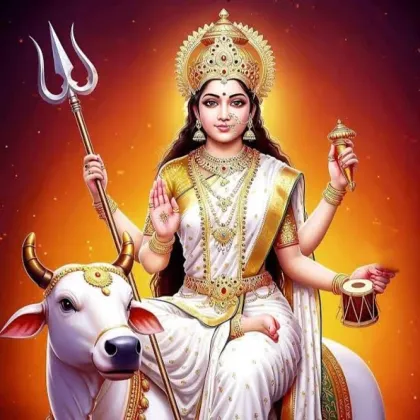
Nepal is celebrating Maha Ashtami, the eighth day of Bada Dashain, with devotees across the country marking one of the most significant days of the Dashain festival through religious rituals and worship. In a notable alignment on the Hindu lunar calendar, the occasion this year also falls on the ninth day of Navaratri, meaning the eighth day of Dashain and the closing stretch of the nine-night devotion to Goddess Durga are being observed together. From temples and public shrines to household altars, worship of the goddess has remained at the center of the day as the country's biggest festival continues in full swing.
The day carries particular weight within the longer festival cycle, and devotees have been marking the occasion as part of the ongoing Dashain festivities that continue across the nation.
Maha Ashtami Observed Across Nepal
Devotees throughout the country are celebrating Maha Ashtami as part of the ongoing Dashain festivities, with religious rituals and worship forming the heart of the observance. The day is being marked at temples dedicated to Goddess Durga as well as in homes, where families have prepared spaces for prayer and offerings as the festival moves through its most devotional phase.
According to Nepal Views, Maha Ashtami is being celebrated today as well, a phrasing that reflects the way observances tied to the lunar calendar can extend across more than one calendar day. For devotees, the extended observance only adds to the importance the day holds within the wider Dashain celebrations.
How the day is being marked
- Devotees are performing special worship and religious rituals in honour of Goddess Durga
- Temples and shrines dedicated to the goddess are drawing worshippers through the day
- Families are observing the occasion at home as part of the continuing Dashain festivities
- The celebrations form part of the broader Navaratri devotion running alongside Bada Dashain
The atmosphere across the country reflects the deep cultural hold of Dashain, which brings together religious observance and family celebration in a way no other festival in Nepal does. With the eighth day now underway, the festive rhythm that began with the opening days of the festival continues uninterrupted.
Why the Eighth Day of Dashain Falls on the Ninth Day of Navaratri
The seeming mismatch between the two counts is explained by the way festival days are determined in the Hindu tradition. Rather than following a fixed calendar, Hindu festivals are timed according to lunar days, and the movement of these lunar days means that a festival counted as the eighth day in one sequence can coincide with the ninth day in another. This year, that alignment has placed Maha Ashtami, the eighth day of Bada Dashain, squarely on the ninth day of Navaratri.
The same logic also explains why Maha Ashtami is being celebrated today as well. Because lunar days do not map neatly onto calendar dates, an observance can begin one day and continue into the next, allowing devotees to mark the same festival across consecutive days. Such extensions are a familiar feature of festivals governed by the lunar calendar, and they help ensure that worshippers are able to complete the rituals associated with each sacred day.
For those following both counts, the convergence carries its own appeal. Devotees observing the eighth day of Dashain and the ninth day of Navaratri are, in effect, marking a single sacred occasion through two traditions of counting, underscoring how closely the two festivals are woven together in Nepal's religious life.
Maha Ashtami's Place in the Dashain Festival
Dashain is the largest and most widely observed festival in Nepal, celebrated by Hindus across the country. The festival is centred on the worship of Goddess Durga, with the nine nights of Navaratri devoted to devotion to the goddess. Within this period, Maha Ashtami holds a place of special importance, and devotees traditionally treat it as one of the most sacred days of the entire festival.
The day's significance is reflected in the scale of worship it draws. Devotees mark the occasion with religious rituals intended to honour the goddess, and the observance is woven into the larger rhythm of Dashain, which families across Nepal follow from the festival's opening days through to its later celebrations. The fact that this year's Maha Ashtami also coincides with the ninth day of Navaratri gives the day added resonance for worshippers following both counts.
Beyond its religious dimension, Dashain is also widely regarded as the country's most cherished family festival, with the holidays providing an occasion for relatives to gather, celebrate and observe traditions together. The marking of Maha Ashtami sits at the devotional heart of that wider celebration.
The Festivities Continue
With Maha Ashtami observed, Dashain now moves forward through its remaining days. The festival traditionally builds toward its culmination on the tenth day, Vijaya Dashami, when family gatherings and the exchange of blessings define the celebration, and the current round of festivities is expected to keep homes filled with celebration in the days ahead.
For now, the attention of devotees remains fixed on the worship of Goddess Durga. As Nepal celebrates Maha Ashtami, the eighth day of Bada Dashain and, this year, the ninth day of Navaratri as well, the rituals and devotion that define the festival continue to be observed across the country.