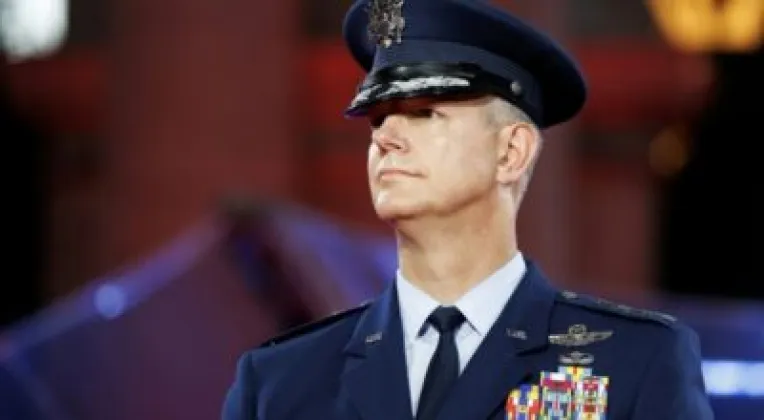
NATO is preparing to signal to Russia that the alliance can resist a possible attack, with US General Alexus Grynkewich, NATO’s Supreme Allied Commander Europe, set to present its “victory doctrine” at a security conference in Warsaw, Poland. The planned message was reported from Brussels on October 12, 2026, amid what NATO describes as growing security challenges from Russia and increasing sabotage and interference against countries supporting Ukraine.
A message about readiness
The planned presentation is intended to communicate that NATO has the capacity to withstand a possible attack. It is framed as a warning to Russia, rather than a report that an attack has taken place or a prediction that one is imminent. The information provided does not detail the doctrine’s contents, but its presentation by the alliance’s top military commander in Europe places the emphasis on preparedness and the ability to respond to a threat.
The choice to present the doctrine at a security conference in Warsaw gives the planned message a public setting. Grynkewich is expected to speak on behalf of the alliance, with the subject focused on how NATO understands its ability to resist and prevail in a conflict. The conference is in Poland, while the report on the planned presentation came from Brussels. No date for Grynkewich’s appearance was specified in the information provided.
Security concerns linked to Russia
NATO’s planned warning comes against a backdrop of what the alliance describes as increasing security challenges from Russia. The concerns also include growing sabotage and interference directed at countries that support Ukraine. Those activities are presented as part of the security environment facing the alliance and its partners, alongside the possibility of a direct attack.
The account does not identify specific incidents, countries affected, or the forms the reported sabotage and interference have taken. It also does not provide further details about how NATO assesses the scale or timing of these challenges. The central point is that NATO views the wider pattern of security pressures as serious enough to make a public statement about its ability to resist a potential attack.
The “victory doctrine” presentation
Grynkewich’s role as Supreme Allied Commander Europe makes him the named figure set to deliver the message. His planned presentation of NATO’s “victory doctrine” is intended to show that the alliance is preparing to resist a possible attack, while reinforcing the warning that NATO is capable of doing so. The report does not describe the doctrine’s operational plans, military capabilities, or specific measures, so its substance should not be taken to imply details beyond the stated purpose of the presentation.
The announcement also distinguishes between communicating deterrence and describing a specific military response. NATO is preparing to send a message about its capacity, but the available information does not say that the alliance has announced new deployments, changed its posture, or adopted a new policy. Nor does it specify how Russia has responded to the planned presentation. The stated focus remains the alliance’s ability to resist an attack amid worsening security concerns.
A public warning amid support for Ukraine
By connecting the potential threat of attack with sabotage and interference against Ukraine’s supporters, the warning places those concerns within a broader security context. NATO’s message is directed at Russia, while the alliance’s stated concerns also involve actions affecting countries that back Ukraine. The planned address in Warsaw is therefore being presented as an effort to make NATO’s preparedness clear as it confronts several forms of pressure.
The report leaves important details open, including the full content of the “victory doctrine,” the exact timing of the conference address and any response from Moscow. What it establishes is NATO’s intention to make a public case for its ability to resist a possible attack. Grynkewich is expected to deliver that message in Warsaw as the alliance points to growing security challenges and increased sabotage and interference targeting Ukraine’s supporters.