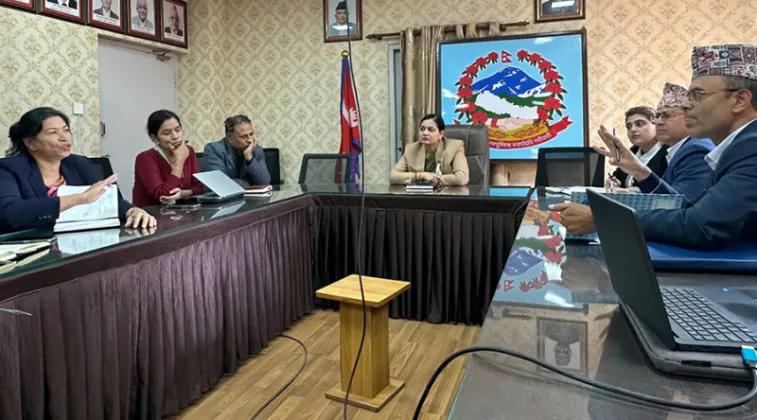
Kathmandu - The Ministry of Health and Population is preparing to register a bill to amend the Health Insurance Act in the federal parliament, with the process of advancing the legislation forward gaining pace. According to reports published on November 26, 2026, the ministry has moved ahead with the process of taking the amendment bill to parliament, marking a significant step in the government's effort to revisit the country's flagship health insurance legislation.
The Health Insurance Act has been the legal foundation of Nepal's national health insurance programme, which was rolled out nationwide after beginning as a pilot scheme in a handful of districts. The amendment bill, once registered, will need to pass through the standard legislative process in parliament, including deliberation in the relevant parliamentary committee, before it can be enacted into law.
A Long-Awaited Legislative Move
The move to bring an amendment bill comes at a time when the health insurance programme has been under growing scrutiny, with recurring discussions in policy circles about the scheme's coverage, sustainability and the quality of services available to insured populations. The Ministry of Health and Population, which administers the programme through the Health Insurance Board, has in recent years faced calls from various quarters to update the legal framework governing the scheme so that it can respond better to the needs of the population.
The reports on November 26, 2026, confirmed that the ministry has formally advanced the process of registering the bill in parliament, although detailed provisions of the proposed amendment were not made available in the coverage. This means the specific changes the ministry seeks to make to the Act remain to be seen, and they are likely to become clearer once the bill is registered and tabled for discussion in the House.
What Happens Next
With the bill set to enter parliament, the next steps in Nepal's legislative process will determine how quickly, and in what form, the amendment proceeds. Bills registered in the federal parliament are typically referred to the relevant thematic committee, where lawmakers examine the provisions, invite stakeholders and propose changes before the bill returns to the full House for voting. The Health Insurance Act amendment bill will follow the same trajectory, and the parliamentary committee's scrutiny is expected to be a key stage where the substance of the amendment is debated.
For the ministry, registering the bill represents the culmination of internal preparatory work, which usually involves drafting the amendment text, seeking approvals within the government, and coordinating with the Ministry of Law, Justice and Parliamentary Affairs before a bill can be presented to the legislature. The advancement of the process this week indicates that those preparatory stages have been completed and that the government is ready to place the proposal before lawmakers.
Why the Amendment Matters
The health insurance scheme is one of the largest social protection initiatives in Nepal's health sector, designed to reduce out-of-pocket health expenses for households by pooling contributions from member families and government support. The Act underpinning the scheme defines how the programme is governed, how contributions are collected, and how services are delivered through participating health facilities across the country.
Any amendment to this Act therefore carries wide-ranging implications for how millions of Nepali citizens access health services and how the scheme is financed. Stakeholders in the health sector have periodically raised questions about the balance between premium levels and the package of services offered, the participation of health facilities, and the long-term financial sustainability of the programme. An updated legal framework is often seen as a vehicle for addressing such concerns, although the specific provisions of the bill now moving toward parliament have not been disclosed.
Broader Policy Context
The development comes amid a broader cluster of news coverage in Nepal touching on health, politics and the economy, reflecting the multiple pressures on government policy at present. Health financing has been a persistent theme in national policy debates, with the constitution committing the state to ensuring access to basic health services for all citizens, and health insurance positioned as a central instrument for achieving that goal.
The timing of the bill's advancement also places it within the ongoing work of the federal legislature, where a range of bills and policy priorities compete for parliamentary time. How the amendment bill fares in the House will depend on the political dynamics among parties and the priority the government attaches to passing health sector legislation in the current session.
As of the reports on November 26, 2026, no date for formal registration or tabling of the bill in the House had been specified, nor had the ministry released the text of the proposed amendments. Further details are expected to emerge as the bill enters the parliamentary process, and observers of the health sector will be watching closely to see what changes the government proposes to one of Nepal's most consequential health laws.