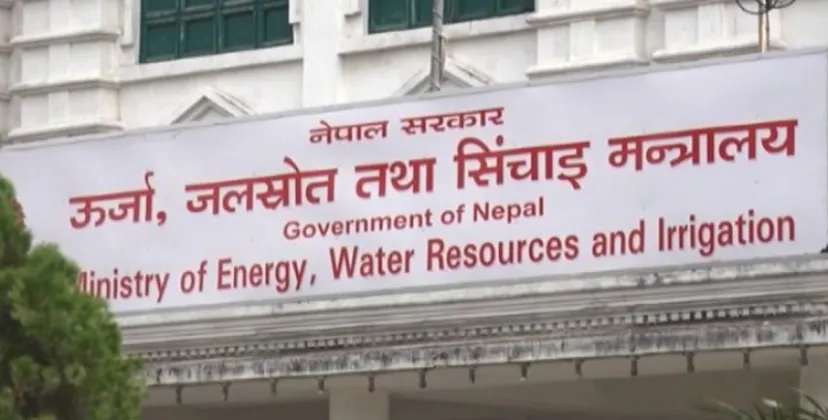
KATHMANDU — Energy, Water Resources and Irrigation Minister Birajbhakta Shrestha has formed a high-level committee to prepare a draft of a new national energy policy, a move the government says will chart the future direction and priorities of Nepal's energy sector. The committee was constituted on Thursday, and the minister has directed it to have a draft policy ready within 21 days.
A High-Level Panel Led by the Water and Energy Commission
The newly formed committee will be chaired by Nabin Raj Singh, secretary of the Water and Energy Commission, the government body that plays a central role in advising on and coordinating water and energy-related planning in the country. According to the ministry, the panel includes representatives of energy-sector organisations as well as experts, a composition intended to bring together institutional experience and technical knowledge in the policy-drafting exercise.
By placing the Water and Energy Commission's secretary at the head of the committee and drawing members from across the sector, the ministry has signalled that the drafting process is meant to be inclusive of the key institutions and professionals who implement energy policy on the ground. The committee's mandate is to prepare the draft of the national energy policy, which the government describes as a framework that will set the future direction and priorities of the energy sector.
21-Day Deadline for the Draft
Minister Shrestha has set an unusually tight timeline for the work: the committee is expected to submit a draft of the national energy policy within 21 days of its formation. The deadline reflects the urgency the ministry has attached to the task of framing a policy that will guide the sector's development.
The formation of the committee and the 21-day deadline were reported by Nepal Press and Nagarik News, both of which noted that the high-level panel was formed specifically to formulate the draft national energy policy. The ministry has framed the exercise as a government priority, with the minister taking direct responsibility for initiating the process.
What the Policy Is Expected to Address
According to the government's announcement, the national energy policy will define the future direction and priorities of Nepal's energy sector. While the ministry has not yet released details of the policy's contents, the drafting process itself marks a formal step toward putting in place an overarching framework for how the country manages, develops and expands its energy resources.
The involvement of the Water and Energy Commission, which serves as the apex advisory body on water and energy matters, alongside representatives of energy-sector organisations and independent experts, suggests that the draft will be shaped by a broad cross-section of stakeholders. Energy-sector organisations represented on the committee are expected to contribute perspectives from the institutions directly engaged in the country's energy development.
Context: A Long-Awaited Policy Framework
Energy has long been one of Nepal's most prominent development priorities, given the country's vast hydropower potential and its ongoing efforts to expand electricity access, cross-border energy trade and domestic consumption. Successive governments have faced calls to update the country's policy framework to keep pace with the rapid growth of the sector, including rising private-sector investment and expanding generation capacity.
Against this backdrop, Minister Shrestha's decision to constitute a dedicated high-level committee, and to require a draft within 21 days, indicates that the current government intends to move quickly on the policy file. The formation of the committee on Thursday marks the beginning of that process, with the Water and Energy Commission's secretary now charged with leading the drafting effort and delivering a document that the ministry says will set the sector's future course.
Next Steps
The committee, led by Secretary Nabin Raj Singh, now begins work with the 21-day deadline in view. Once the draft national energy policy is prepared, it will move through the government's processes for review and eventual adoption. Details of the committee's full membership list, its working schedule and the substantive elements of the draft policy have not yet been made public beyond the ministry's announcement of the panel's formation.
For now, the key facts established by the announcement are clear: a high-level committee has been formed, it is chaired by the secretary of the Water and Energy Commission, it includes energy-sector representatives and experts, and it has been tasked with producing a draft national energy policy within 21 days. The ministry's framing of the policy as a document that will set the future direction and priorities of the energy sector positions the committee's forthcoming draft as a significant milestone in the government's energy agenda.