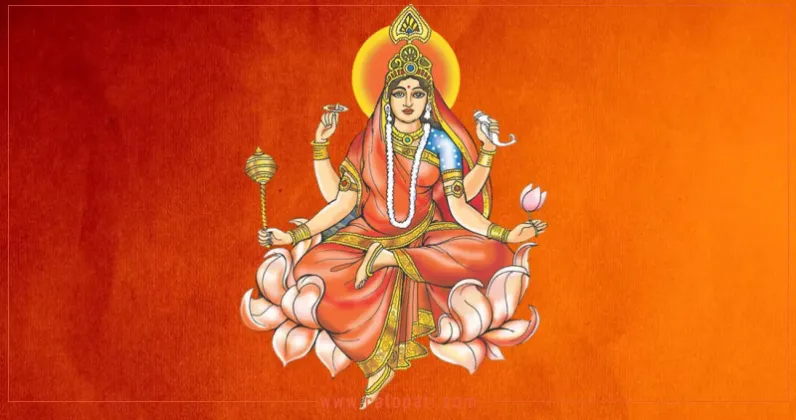
Devotees across Nepal worshipped Goddess Siddhidatri Devi on the ninth and concluding day of Shardiya Navaratri, observed on Ashwin Shukla Navami, also known as Mah Navami or Maha Navami. The worship, performed in Dashain ghars and household puja rooms throughout the country, was carried out in accordance with Vedic rituals, according to reports by RatoPati, Khabarhub and News of Nepal. With this, the nine-day homage to the Navadurga, the nine forms of the goddess, came to a close, with devotees holding to the scriptural belief that her worship brings all attainments as well as happiness, peace and prosperity to the family.
Maha Navami marks the conclusion of Navaratri worship
Shardiya Navaratri, the autumn festival of nine nights, dedicates each of its nine days to one of the nine manifestations of Goddess Durga. The observance concludes on the ninth day, Maha Navami, which falls on Ashwin Shukla Navami, the ninth day of the bright fortnight of the month of Ashwin. The day is regarded as among the most significant of the entire Dashain period.
On Maha Navami, devotees offered prayers at Dashain ghars, the consecrated worship spaces maintained for the festival, as well as in puja rooms inside their homes. The rituals for the day were performed according to Vedic tradition, honouring the goddess in the form prescribed for the ninth day. For many households, the occasion served as the culmination of the devotion observed through the preceding eight days of Navaratri.
Siddhidatri: the ninth and final form of Navadurga
Siddhidatri is venerated as the ninth and final form among the Navadurga, the nine manifestations of the goddess honoured one after another across the nine nights of Navaratri. The worship moves through the forms day by day:
- Shailaputri, worshipped on the first day
- Brahmacharini, worshipped on the second day
- Chandraghanta, worshipped on the third day
- Kushmanda, worshipped on the fourth day
- Skandamata, worshipped on the fifth day
- Katyayani, worshipped on the sixth day
- Kalaratri, worshipped on the seventh day
- Mahagauri, worshipped on the eighth day
- Siddhidatri, worshipped on the ninth day
As the final manifestation, Siddhidatri is worshipped on the ninth day, bringing the sequence of Navadurga worship to its completion.
The giver of all attainments
The significance of the goddess is embedded in her name. Siddhi refers to spiritual and supernatural attainments, while datri means giver, so Siddhidatri is understood as the goddess who bestows all attainments. This identity as a bestower of every blessing is why her worship on the final day of Navaratri is held in special regard, and why devotees approach her with prayers for completeness in both spiritual and worldly life.
Scriptural belief: all siddhis, happiness and prosperity
According to scripture, those who worship Siddhidatri Devi with full devotion attain all siddhis. The emphasis on devotion, offered wholeheartedly rather than as ritual observance alone, is central to the day's teaching, and the same scriptural account links her worship with happiness, peace and prosperity within the family.
For devotees, these promises give Maha Navami its distinctive character. The worship of the ninth form is seen not only as the completion of the nine-day cycle but as an occasion to seek the goddess's blessings for harmony and well-being at home, with families across Nepal honouring her in their Dashain ghars and puja rooms.
Navaratri within the Dashain festival
In Nepal, Shardiya Navaratri unfolds within the wider celebration of Dashain, the country's most widely observed festival. The Dashain ghar, the dedicated worship space set up for the festival, becomes the focal point of daily devotion during this period, and Maha Navami stands out among the festival's important days.
With the worship of Siddhidatri Devi on Ashwin Shukla Navami, this year's Shardiya Navaratri devotion has come full circle. Devotees now carry forward the belief that sincere worship of the goddess, offered with full devotion, brings all attainments along with peace and prosperity to the household.