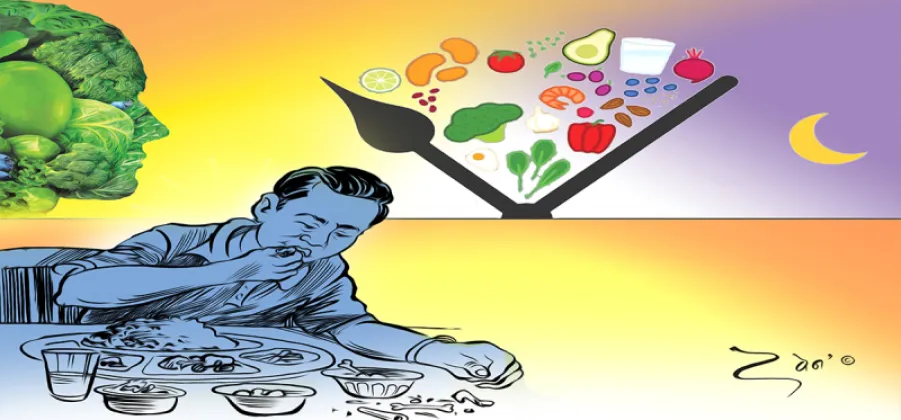
A habit that plays out in living rooms and bedrooms every night - a handful of biscuits, a bowl of instant noodles or a few sweets taken while watching television or scrolling on a mobile phone after dinner - has been linked to a significantly higher risk of liver disease. The finding comes from a new study by researchers at Oregon Health and Science University (OHSU), which examined how the practice of eating again after the evening meal affects liver health. The study's central message, reported from Kathmandu, reaches beyond the usual advice about eating less junk food: the timing of meals matters for the liver, and not merely the total amount of food a person consumes over the day.
What the researchers found
According to the OHSU study, snacking late at night after dinner can significantly raise the risk of liver disease. The researchers found that eating habits of this kind, repeated night after night, can seriously affect liver health. What makes the finding notable is how ordinary the habits involved are. The study specifically pointed to foods and situations that many people would not think twice about: biscuits, instant noodles and sweets eaten after dinner, often while watching television or using a mobile phone before going to sleep.
The findings highlighted patterns including:
- Eating biscuits as a post-dinner snack
- Having instant noodles late at night, after the main evening meal
- Consuming sweets before going to bed
- Snacking while watching television
- Eating while using a mobile phone before sleep
None of these behaviours involves an unusual food or an extreme eating pattern. That, in effect, is the point of the research: a routine that feels harmless, even comforting, at the end of the day may carry a real health cost.
Screens, snacks and a nightly routine
The combination flagged by the researchers, eating alongside screen use, is one of the most widespread evening habits. People settle in front of the television after dinner with something to munch on, or scroll through their phones in bed with a snack close at hand. Because attention is on the screen, the eating itself often goes unregistered; it is not experienced as a meal, so it tends not to count in a person's own sense of how much they have eaten in the day. The study suggests this uncounted round of late-night eating is precisely where the risk to the liver builds.
For many households, the pattern is woven into the structure of the evening: dinner is followed by television, television is accompanied by biscuits, instant noodles or sweets, and then comes sleep. The OHSU findings indicate that this sequence, repeated regularly, is what places the liver under strain, even when each individual snack on its own seems trivial.
Why timing matters as much as quantity
A key takeaway from the study is that the timing of meals, not just extra calorie intake, matters for liver health. In practical terms, this means the problem is not solved simply by keeping portions small. According to the findings, food eaten late at night, after dinner and close to bedtime, affects the liver differently from food eaten earlier in the day. Two people could consume the same amount of food overall, yet the one who habitually adds a late-night snack after dinner would face a higher risk of liver disease than the one who finishes the day's eating at dinner.
This reframes the usual conversation about diet. Much of the familiar advice centres on what to eat and how much, while the clock receives far less attention. The OHSU study suggests the clock deserves a place at the centre of that conversation, particularly for the liver, the organ that processes much of what people eat and drink.
What readers can take away
The practical implications of the study follow directly from what it identified. The habits linked to higher liver disease risk all involve eating after dinner and late at night, so the clearest step suggested by the findings is to let dinner be the last meal of the day. For people who snack in the evening, the study points to particular vigilance around the situations where late-night eating happens most easily:
- Avoid eating again after dinner, especially close to bedtime
- Be cautious of snacking that accompanies television viewing
- Watch for eating triggered by mobile phone use before sleeping
- Be mindful of biscuits, instant noodles and sweets, the snack foods named in the findings
The broader message from the researchers is one of awareness. Late-night snacking often happens absent-mindedly, alongside a screen, and is rarely treated as part of the day's diet. The OHSU study suggests it should be. As Nagarik News reports from Kathmandu, the habit of eating again after dinner may increase the risk of liver disease, and recognising that link is the first step towards changing the routine. Readers who recognise their own evenings in the study's description now have a clear picture of where the risk begins: not at the dining table, but in the hours after it, when the biscuits come out and the screens stay on.