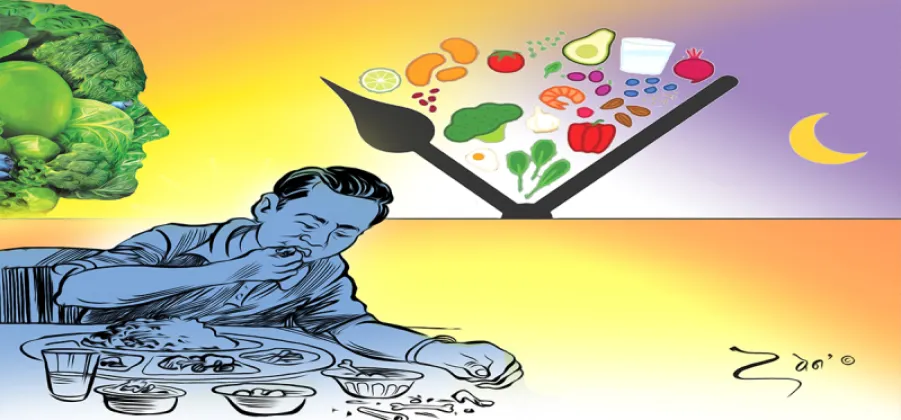
Reaching for biscuits, instant noodles or sweets after dinner, especially while watching television or scrolling on a mobile phone before bed, could significantly raise the risk of liver disease, according to a new study by researchers at Oregon Health and Science University (OHSU). The research suggests that the timing of meals, and not simply the total amount of extra calories consumed, plays a decisive role in liver health. The findings, reported from Kathmandu, serve as a warning against one of the most common and least examined habits of modern evening life: eating again after the day's last full meal.
The study, highlighted in a report published by Nagarik News, points to a routine that will feel familiar in millions of households. Dinner is finished, the television goes on or a phone comes out, and a snack follows almost without thinking. It is precisely this pattern, the researchers found, that can seriously affect the liver over time.
The Habit Under the Microscope
The OHSU research focused on the practice of snacking late at night after dinner has already been eaten. The foods singled out in the findings are those most commonly consumed in such moments: biscuits, instant noodles and sweets. These are typically eaten not out of hunger, but as an accompaniment to relaxation, whether someone is watching television or using a mobile phone before sleeping.
What makes this habit particularly concerning, according to the study, is how effortlessly it fits into daily life. An extra packet of biscuits or a bowl of noodles late in the evening rarely feels like a significant dietary choice. Yet the research indicates that this seemingly minor routine can meaningfully elevate the risk of developing liver disease when it becomes a regular pattern.
The combination is important. The snack itself is often a processed, calorie-dense item, and it is consumed at the very end of the day, when the body is winding down rather than actively expending energy. The study's message is that this pairing of late timing and additional eating places a burden on the liver that many people do not recognise.
Why Timing Matters as Much as Quantity
Perhaps the most significant takeaway from the research is that when a person eats may matter as much as what or how much they eat. For years, dietary conversations have centred on calorie counts, portion sizes and food choices. The OHSU findings add another dimension to that conversation, indicating that extra calorie intake alone does not fully explain the risk, and that the clock plays a role too.
The liver is the body's central organ for processing fats, sugars and other nutrients, and its workload is closely tied to the rhythm of the day. When food arrives late at night, after the evening meal has already met the body's needs, the liver is called upon to process an additional load at a time when the body is preparing for rest. The study suggests that this repeated pattern of late-night processing is what links the after-dinner snack to long-term liver damage.
This framing challenges a common assumption: that a late-night snack is harmless as long as overall consumption is moderate. According to the research, even habits that appear minor on a daily basis can accumulate into a serious health risk when they involve eating again after dinner, night after night.
The Liver's Silent Burden
Part of the difficulty with liver disease is that it often develops quietly. Unlike conditions that announce themselves with immediate symptoms, liver damage can progress over years while a person feels largely well, which is why risk factors identified by research such as this carry particular weight. Habits that seem inconsequential in the moment, like a bedtime snack eaten in front of a screen, can contribute to harm long before any warning signs appear.
The OHSU findings also arrive at a time when evening routines increasingly revolve around screens. Watching television or using a mobile phone before sleep has become the default way many people close their day, and snacking frequently accompanies that screen time. The study suggests that this combination of distracted, late-night eating and processed convenience foods deserves far more attention than it typically receives.
For readers evaluating their own habits, the research highlights several practical points:
- Avoid the after-dinner snack routine. The habit of eating again once dinner is finished was the central risk factor identified in the study.
- Recognise the common culprits. Biscuits, instant noodles and sweets were specifically flagged as the kinds of foods typically consumed in these late-night moments.
- Be aware of screen-linked eating. Snacking while watching television or using a mobile phone before bed can make overeating feel automatic rather than deliberate.
- Think about timing, not just content. A healthy diet, the findings suggest, includes attention to when food is eaten, with late-night consumption carrying particular risk for the liver.
A Warning Worth Heeding
The core message from the Oregon Health and Science University team is straightforward: protecting the liver is not only a matter of reducing calories or choosing better foods, but also of respecting the timing of meals. An after-dinner snack eaten during an evening of television or phone use may feel like a small comfort, but the research indicates it can come at a genuine cost to liver health.
For households in Nepal and elsewhere, where late-night snacking alongside screens is an increasingly common way to unwind, the study offers a timely prompt to reconsider the routine. As the findings make clear, the habit of eating again after dinner may be doing more harm than it appears, and breaking it could be one of the simpler steps people take to safeguard their long-term health.