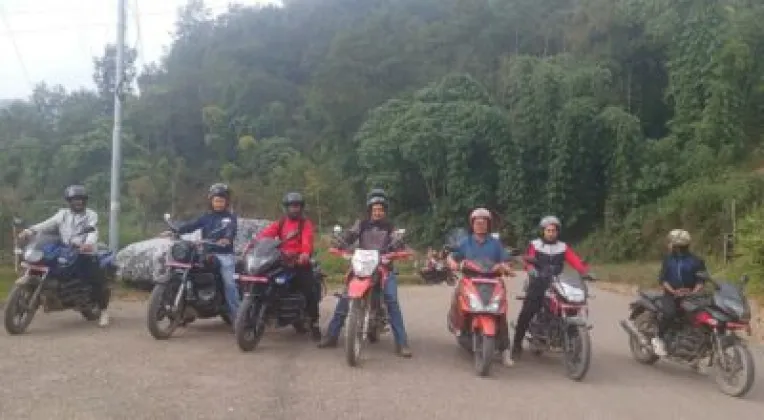
A group of youths active in Khotang district has launched a free transport service to help women travel to their maternal homes for the Dashain and Tihar festivals, an effort it has named the 'Dashain-Tihar, Gift to Daughters Campaign-2083'. Now in its third consecutive year, the campaign is aimed at sisters and daughters who either cannot afford the cost of travel or have no reliable means of transport during Nepal's biggest festive season. According to the organisers, the service will operate from Kartik 3 to 6 for Dashain and again from Kartik 24 to 26 for Tihar, taking women to their maternal homes and, equally important, helping them return to their workplaces once the festivities are over.
A Campaign Now in Its Third Year
The initiative is not a one-off gesture. As reported by Khabarhub, Nagarik News and RatoPati, the youth group has been running the campaign for three years, repeating it each festive season for women in the district.
The organisers' stated purpose is straightforward: no woman should miss the festival reunion with her family simply because she lacks money for the fare or because no vehicle is available. The year 2083 in the campaign's name marks the current year of the Nepali Bikram Sambat calendar, tying the effort directly to this season's Dashain and Tihar celebrations.
Who the Service Is Meant For
Based on the details shared by the group, the campaign targets women in the district who:
- Face financial hardship and cannot bear the cost of travelling to their maternal homes for the festivals.
- Lack access to transport, whether because of remote locations, scarcity of vehicles or the difficulty of festival-season travel.
- Need to return to their workplaces after the holidays, a leg of the journey that is often as burdensome as the trip home.
By covering both the journey to the maternal home and the return to work, the campaign addresses the full round trip that defines festival-season mobility for thousands of working women.
The Cultural Weight of the Festival Journey
Dashain and Tihar hold a centrality in Nepali life that is difficult to overstate. Dashain, the country's longest and most widely observed festival, is a time when elders bless younger family members with tika and jamara, and when families scattered by work and study make every effort to reunite. Tihar, the five-day festival of lights, follows soon after and culminates in Bhai Tika, when sisters honour their brothers and households come together once more.
For married daughters and working sisters in particular, the visit to the maternal home during this season is a cherished tradition, often the single most important family gathering of the year. Missing it is felt deeply, and for many women the obstacle is not desire but logistics.
That difficulty is sharpened in hill districts like Khotang. Reaching a maternal home can involve long bus rides on rural roads, fares that climb sharply during the festive rush, and vehicles that fill up days in advance. For women counting every rupee, or living far from a transport hub, the trip home can become effectively impossible without help.
Dates Built Around Dashain and Tihar
The organisers have structured the campaign around the two festivals' peak days so that the service coincides with when demand is highest. The schedule is as follows:
- Dashain phase: Kartik 3 to 6, covering the heart of the Dashain celebration period.
- Tihar phase: Kartik 24 to 26, timed to the Tihar festival days.
The stated aim, as the organisers describe it, is to help women who are facing financial hardship or who lack transport to reach their maternal homes during these windows, and then to travel back to their workplaces and daily routines once the festivals conclude. This dual focus distinguishes the campaign from a simple one-way ride home; it recognises that women often work far from their villages and that the return journey, made after the holidays with depleted purses, can be the harder of the two.
More Than a Ride Home
For the women it serves, the campaign's value goes beyond saved fare money. A free, dependable ride during the festive rush means an elderly mother's tika is not missed, a family gathering is not reduced to a phone call, and a return to work does not have to be delayed or financed through borrowing.
The initiative also stands as an example of youth-led social service filling a gap that formal transport has not. In districts where public vehicles are sparse and festival-season travel is costly, a voluntary effort organised around the community's most important days responds to a need that is as emotional as it is practical.
Three years on, the 'Dashain-Tihar, Gift to Daughters Campaign' has made itself a fixture of the festive season in Khotang. Its name captures its spirit: a gift given to the district's daughters and sisters, in the form of the road home, at the time of year when that road matters most. Whether the model inspires similar efforts elsewhere in the hills will depend on how far this group's example travels, but for the women boarding its vehicles this Dashain and Tihar, the benefit is immediate and personal.