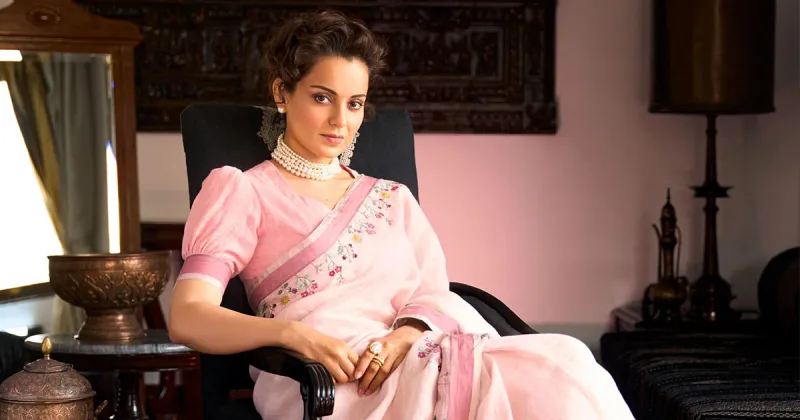
Bollywood actress and Bharatiya Janata Party (BJP) MP Kangana Ranaut said on Friday that the situation currently unfolding across the world resembles a third world war, pointing to the conflicts, unrest and violence being witnessed in different parts of the globe. Speaking to members of the media, the parliamentarian argued that the turmoil visible in many countries underlines the importance of strong leadership, and said India needs the strong leadership of Prime Minister Narendra Modi. Her remarks were reported by Nepali news outlets Khabarhub and Nagarik News.
A world compared to war
According to the reports, Ranaut described the prevailing global climate as one comparable to a world war. In her assessment, the combination of armed conflicts, civil unrest and violence across multiple regions has created conditions of a gravity not usually associated with ordinary, peacetime turbulence.
She framed her observation around three interlocking trends she sees shaping the world today:
- Conflicts raging in various parts of the world
- Unrest disturbing countries and communities
- Violence continuing to surface across different regions
Taken together, she suggested, these developments amount to a global situation that feels less like routine instability and more like a third world war. The comparison is a striking one, evoking the global conflagrations of the twentieth century, and it signalled how seriously the actress-turned-politician views the present wave of instability.
The reports do not detail the specific conflicts or countries she had in mind when making the claim. What comes through clearly is the sweeping nature of her characterization: rather than pointing to a single dispute or theatre of tension, she portrayed the overall global picture as one of widespread turmoil.
Strong leadership for troubled times
The second half of her statement turned from world affairs to Indian politics. Ranaut said the events of the present moment demonstrate why strong leadership matters, and said India needs the strong leadership of Prime Minister Modi to face the challenges that such a global situation brings.
In her framing, a world marked by conflict and instability is precisely the environment in which the quality of national leadership is tested. Her comments offered no specific policy prescriptions; the emphasis, as reported, was on leadership itself, with the prime minister presented as the figure best placed to steer the country through unsettled times.
As a sitting MP of the BJP, Ranaut spoke in her capacity as a member of the party that leads India's government under Modi. Her remarks tied the need for firm leadership directly to the global situation, rather than to any particular domestic issue, according to the reports.
From Bollywood to Parliament
Ranaut occupies a distinctive place in Indian public life, combining a high-profile Bollywood career with an active political role as a BJP member of parliament. That dual identity means her statements often travel well beyond strictly political circles, drawing attention from entertainment audiences and news readers alike.
Her comments on Friday illustrated that crossover quality. Speaking on geopolitics and national leadership in the same breath, she brought a celebrity's profile to a subject usually dominated by diplomats and defence analysts, and delivered a message squarely aligned with her party's line on the prime minister's stewardship.
A story that crossed borders
The remarks quickly found an audience beyond India. Two Nepali outlets, Khabarhub and Nagarik News, both carried reports of what she said. Nagarik News presented the story with her world-war comparison at its centre, while Khabarhub likewise reported her comments on the global situation and her pitch for Modi's leadership.
The reports available do not specify where exactly the media interaction took place or which questions prompted her remarks. What both accounts capture is the same core message: an actress and lawmaker describing the world as standing at the edge of a third world war, and calling for strong leadership at home in response.
Ranaut's warning comes at a time when, as she herself noted, conflicts, unrest and violence continue in various parts of the world. By coupling that grim reading of global affairs with a call for decisive leadership, she linked the international news cycle back to a familiar domestic argument: that how a country weathers a troubled world depends on the strength of the leadership at its helm.