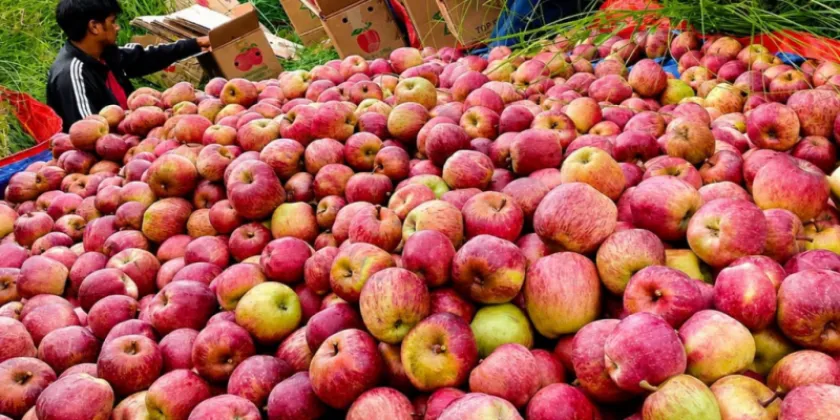
Jumla has exported 7,330 metric tonnes of apples to other districts so far this season, according to the Agriculture Development Office in the Karnali hill district, with the local fruit enjoying a strong run in the market after imports of Indian apples were halted. The office has projected that the district will produce around 19,500 metric tonnes of apples this year, with transactions from the fruit estimated at Rs 550 million.
Office chief Rambhakta Adhikari said the export figure is expected to climb further as harvesting continues across the district's orchards, as reported by Nepal Press. Farmers are currently selling apples directly from their local orchards at a minimum of Rs 75 per kilogram, a rate that reflects the firm demand Jumli apples have been enjoying this season.
Strong returns for Jumla's apple farmers
The export figures released by the Agriculture Development Office point to a busy and rewarding season for growers in the district. With more than 7,300 metric tonnes already shipped out to other districts and total production projected at nearly 19,500 metric tonnes, a substantial share of this year's harvest is still moving through the marketing pipeline. Key figures from the season so far include:
- 7,330 metric tonnes of apples exported from Jumla to other districts
- Around 19,500 metric tonnes of expected total apple production this year
- Rs 550 million in estimated transactions from the apple trade
- Rs 75 per kilogram, the minimum price farmers are receiving for apples sold from local orchards
For a district where apple farming is a principal source of cash income, the pace of exports and the price levels recorded this season carry real weight. The Rs 550 million in estimated transactions represents the money circulating among growers, traders and transporters as the fruit makes its way from orchards in Jumla to markets in other parts of the country. Farmers selling their produce straight from the orchards at a minimum of Rs 75 per kilogram have, by the office's account, found buyers willing to pay those rates without the fruit having to travel far from the fields.
Khabarhub also reported the export and production projections, quoting the district agriculture office on the season's overall performance, while Rato Pati carried similar figures from the office in its coverage of the harvest.
Import halt lifts demand for local fruit
A significant factor behind the bright market conditions this season is the halt in apple imports from India, which has opened space for domestically grown fruit in Nepali markets. According to the Agriculture Development Office, the market for Jumli apples has visibly improved since the imports were stopped, allowing locally produced apples to reach consumers who would otherwise have had access to imported stock.
The effect has been twofold. First, with Indian apples absent from the market, traders and retailers have turned to domestic suppliers, and Jumla, as a major apple-producing district, has been well placed to meet that demand. Second, the competition that imported fruit would normally provide has eased, helping farmers secure at least Rs 75 per kilogram for their produce at the orchard gate. For growers who in earlier seasons might have struggled to find buyers or to command fair prices, the current environment marks a welcome change.
Season outlook and remaining harvest
With 7,330 metric tonnes already exported against a projected total of roughly 19,500 metric tonnes, well over half of the season's output is still to be marketed as harvesting progresses. The Agriculture Development Office expects the remaining volume to be traded in the coming days as orchard owners complete their pickings and consignments continue to move out of the district.
Rambhakta Adhikari, the office chief, indicated that the district's apple trade remains active and that the season's transaction value is estimated at Rs 550 million based on the volumes and prices seen so far. Farmers, meanwhile, continue to sell from their local orchards at the prevailing minimum rate of Rs 75 per kilogram, an indication that demand from buyers has not slackened even as the season advances.
The halting of Indian apple imports has, in the office's assessment, been the decisive factor in brightening the outlook for Jumli apples this year. As long as the import restriction remains in place, the district's fruit is expected to keep its firm footing in the national market, giving Jumla's growers a season that stands out both in the volume of apples leaving the district and in the returns reaching the farmers who grew them.
For Jumla's orchard owners, the numbers add up to a season of strengthened confidence: thousands of tonnes of fruit shipped out, hundreds of millions of rupees in transactions, and a market that, for now, is firmly in favour of the apples grown on the district's hillsides.