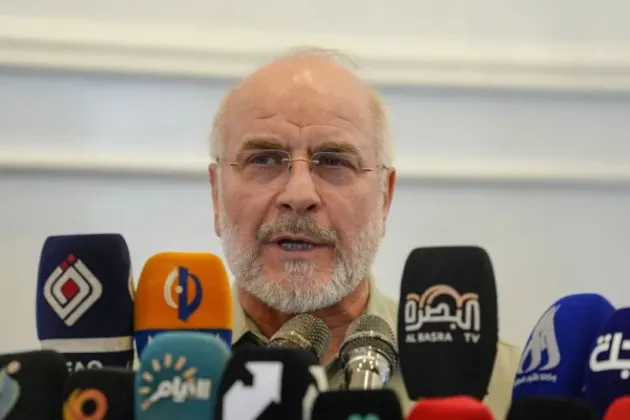
Iran will not hold any negotiations with the United States until Tehran's seven previously stated conditions are fulfilled, the country's parliament speaker and chief negotiator Mohammad Bagher Ghalibaf said on Monday, according to IRGC-affiliated media.
Stance on negotiations remains unchanged
Ghalibaf, who serves both as speaker of the Iranian parliament and as the country's chief negotiator, reiterated that Iran's position on talks with Washington has not shifted. He framed the refusal as a matter of principle, insisting that the seven conditions laid out by Tehran must first be met before any dialogue can take place.
The senior official also addressed the tone coming from Washington, describing American threats and insults as a sign of frustration. In his view, the harsh rhetoric reflects the United States' growing irritation rather than strength, a characterization that aligns with Tehran's long-standing public messaging in its dealings with Washington.
Tensions escalate in the Strait of Hormuz
The statement came a day after Iran's elite Revolutionary Guards (IRGC) made a dramatic claim regarding the strategic Strait of Hormuz. The force said that mines had exploded and set fire to three oil tankers accused of violating a maritime embargo in the waterway, one of the world's most critical arteries for global oil shipments.
The IRGC's assertion that the tankers were breaching an embargo has been disputed by Western bodies, which have challenged the Iranian account of the incident. The dispute over what actually occurred in the strait adds another layer of uncertainty to an already volatile situation in the region.
The timing of the two developments, coming within a day of each other, underscores the mounting tensions between Tehran and Washington, with Iran's negotiating posture hardening even as military activity around the Strait of Hormuz draws international scrutiny.
A widening gap between Washington and Tehran
By tying the resumption of talks directly to the fulfillment of seven conditions, Ghalibaf's remarks signal that Iran is not prepared to enter negotiations under pressure or amid threats. The reference to US threats and insults as evidence of frustration suggests Tehran intends to wait out what it sees as American bluster rather than respond to it diplomatically.
Meanwhile, the contested tanker incident in the Strait of Hormuz highlights the risks facing commercial shipping in the region and the competing narratives that continue to shape perceptions of the standoff. With Western bodies disputing the IRGC's claims and Iran ruling out talks, the prospects for de-escalation through diplomacy appear, for now, firmly off the table.
For updates on this developing story, reports have been published by Ratopati and Khabarhub.
This article is based on available reports and will be updated as more information emerges.