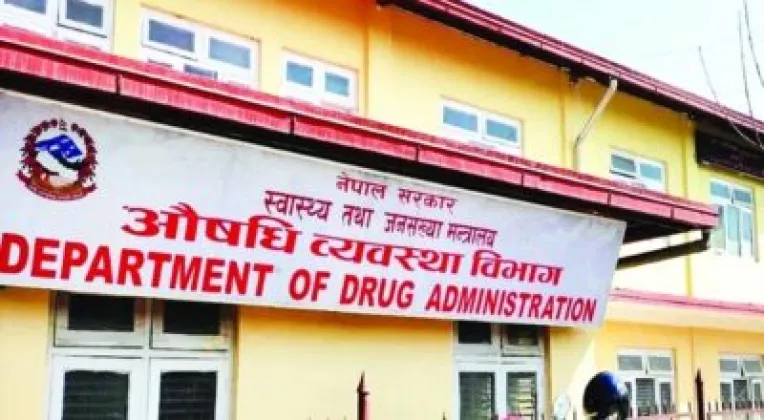
The Department of Drug Administration has directed pharmaceutical industries and related bodies and individuals to ensure the quality of rectified spirit (95 percent ethanol) used in medicine production. The directive was issued in Kathmandu on November 24, 2026.
Why Rectified Spirit Matters
Rectified spirit, which contains 95 percent ethanol, is used as an auxiliary raw material for various purposes in the pharmaceutical industry. According to the Department, the substance directly affects the quality of medicines, making its proper control essential for safeguarding public health.
Because rectified spirit is not a primary active ingredient but an auxiliary material, its quality can sometimes be overlooked in production processes. The Department's directive seeks to close this gap by making quality assurance a clear responsibility of manufacturers and other stakeholders involved in the supply and use of the substance.
Directive to Industries and Stakeholders
The directive applies to pharmaceutical industries as well as related bodies and individuals connected with the procurement, handling and use of rectified spirit in medicine production. By issuing the instruction, the Department has placed the onus of quality assurance squarely on those who produce and handle medicines.
The Department has emphasized that any compromise in the quality of rectified spirit would translate directly into compromised medicine quality. Stakeholders are therefore expected to exercise due diligence in sourcing and verifying the substance before it enters the production chain.
Regulatory Context
The Department of Drug Administration is the regulatory authority responsible for overseeing medicine quality and pharmaceutical practices in Nepal. Directives such as this one form part of its ongoing regulatory oversight of the pharmaceutical sector, which covers raw materials, production processes and finished products.
Quality control over auxiliary raw materials like rectified spirit is a recognized component of good manufacturing practice worldwide. The Department's move aligns Nepal's regulatory attention with the broader principle that every input into medicine production, regardless of whether it is an active ingredient or an auxiliary material, must meet quality standards.
Implications for the Pharmaceutical Sector
The directive signals that pharmaceutical companies in Nepal should review their quality assurance procedures for rectified spirit, including how the substance is sourced, tested and stored. Companies that fail to ensure quality could face regulatory consequences, although the Department's directive focuses primarily on compliance with quality requirements.
For consumers, the directive is aimed at strengthening confidence in medicines produced domestically. Since rectified spirit directly affects medicine quality, tighter control over this input is expected to support the overall integrity of medicines available in the market.
The Department's notice, issued on November 24, 2026, makes clear that ensuring the quality of rectified spirit is a shared responsibility across the pharmaceutical supply chain, encompassing industries, related bodies and individuals alike. Stakeholders are expected to comply with the directive as part of their obligation to maintain the quality of medicines produced and distributed in Nepal.