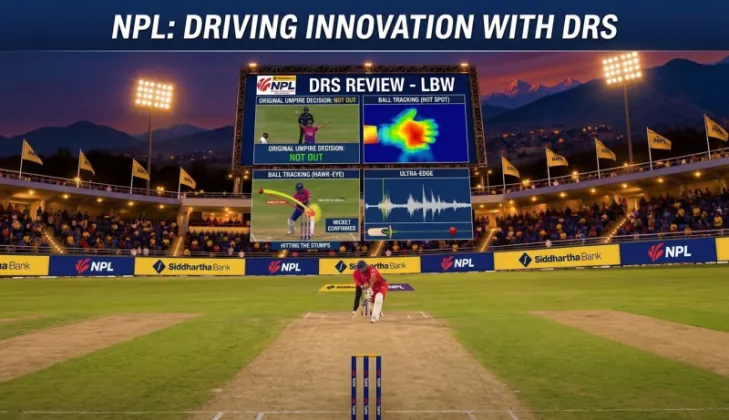
The Nepal Premier League (NPL) is set to use the Decision Review System (DRS) for the first time, according to reports published by Nepali news outlets on October 20, 2026. The introduction of the technology-assisted review process means that on-field umpires' decisions in the league can now be challenged and re-examined, bringing Nepal's premier franchise competition into line with the review standards that have long been standard in international cricket. The reports, carried by Nepal Lead, Thaha Khabar and Nepal Views, confirmed the move but stopped short of explaining how the system will operate in practice.
What the Decision Review System Brings to the League
In cricket, the Decision Review System is a mechanism that allows players to challenge certain calls made by the on-field umpires. When a team asks for a review, the third umpire re-examines the decision using television replays and, where available, supporting technologies such as ball-tracking and edge-detection tools. Depending on what the additional evidence shows, the original call can either stand or be overturned.
The system has been part of international cricket for well over a decade and is now a fixture of major tournaments, where it is credited with correcting clear umpiring errors and adding a layer of accountability to officiating. Its arrival in the NPL means that moments which once ended with an on-field verdict, accepted or disputed, can now be sent upstairs for a second look.
For the league itself, the change signals an intent to match the officiating infrastructure seen in competitions abroad. Whether that intent translates into a full technological setup at every ground, however, is a question the initial reporting did not answer.
What the Reports Confirmed, and What They Did Not
Confirmed: umpires' decisions can be reviewed
The core of the reports published on October 20 was straightforward. The NPL will use DRS for the first time, and under the system, umpires' decisions can be reviewed. That much was consistent across the coverage from Nepal Lead, Thaha Khabar and Nepal Views.
Still unknown: venues, matches and review rules
Beyond that confirmation, the reports did not specify further details. Among the basic questions left open:
- Which matches will feature the technology, from the opening fixture onwards
- Whether DRS will operate at every venue used by the league or only at selected grounds
- How many reviews each team will be allowed and how unsuccessful reviews will be treated
- Which technologies, from simple replays to ball-tracking, will be available to the third umpire
- When the league's organisers plan to announce the full arrangements
The reports did not indicate when any of these specifics would be made public, leaving teams and fans to wait for a more detailed announcement from the competition's organisers.
Why the Move Matters
Umpiring decisions can loom large in the Twenty20 format, where matches turn on short bursts of play and a single incorrect call can shape the outcome of an entire game. A review system gives teams recourse in those moments, allowing an obvious error to be corrected rather than standing simply because it was made on the field.
For players, the availability of a review offers a measure of reassurance that a faulty decision will not end an innings without remedy. For fans, reviews have become a familiar rhythm of the modern game, with replays, verdicts and the occasional overturned dismissal now a standard part of the broadcast experience. Bringing that process to the NPL closes a visible gap between the league and the international cricket its followers watch throughout the year.
As Nepal's flagship franchise competition, the NPL draws close attention from supporters at home and abroad, and decisions about its officiating standards are read as a signal of the direction Nepali cricket is taking. The confirmation that DRS is coming, even without operational details attached, marks the first time the league has committed to a formal review process for umpires' decisions.
What Happens Next
Attention will now turn to the league's organisers for the specifics the initial reports left out: the venues fitted with the technology, the matches it will cover, and the review rules teams will operate under. Until those details are confirmed, the essential point stands. When the NPL next takes the field, umpires' decisions will, for the first time in the league's history, be subject to review.
The original reports are available from Nepal Lead, Thaha Khabar and Nepal Views.