Kavrepalanchok district has recorded 54 confirmed dengue infections since Shrawan 1 of the current fiscal year, according to the District Public Health Office, Kavrepalanchok. Ragishree Kakshapati Shrestha, chief of the District Public Health Office, said the figures stand as of Mangsir 7, confirming that dengue transmission has continued in the district well beyond the usual monsoon season.
Of the 54 infected individuals, 30 are men and 24 are women, indicating that the mosquito-borne disease has affected both genders almost equally across the district.
Infections spread across four local levels
Dengue infections have been reported in four local levels of Kavrepalanchok. Panchkhal Municipality has recorded the highest number of cases at 24, making it the most affected area of the district. The concentration of cases in Panchkhal accounts for nearly half of the district's total infections.
The District Public Health Office has been tracking the cases since the beginning of the fiscal year in Shrawan, with the latest update released as of Mangsir 7. The continued reporting of new infections into the winter months highlights the persistence of dengue risk in the district even after the monsoon period.
Health office confirms figures
Confirming the data, District Public Health Office Chief Ragishree Kakshapati Shrestha said 54 people have been confirmed infected with dengue in the district since Shrawan 1 of the current fiscal year. The office's figures compile confirmed infections reported from health facilities across the district.
The gender breakdown provided by the health office shows 30 male and 24 female patients among those confirmed infected, reflecting the broad reach of the outbreak across the community.
Dengue in the district context
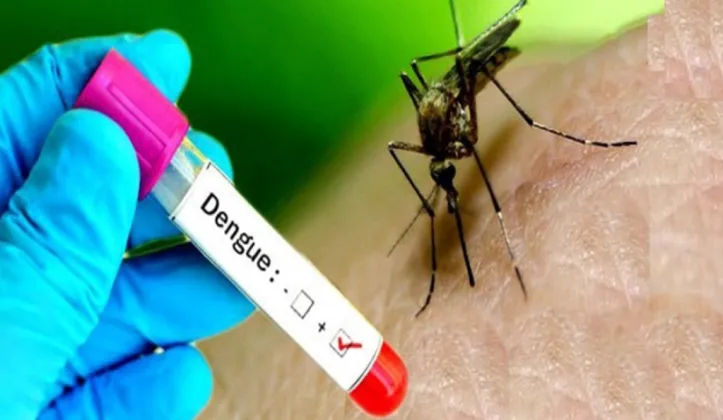
Dengue is a mosquito-borne viral infection transmitted primarily by the Aedes mosquito. The disease has in recent years spread beyond the Terai into hilly districts of Nepal, including Kavrepalanchok, as cases have increasingly been detected outside traditional high-risk areas.
The concentration of the highest caseload in Panchkhal Municipality, at 24 of the district's 54 confirmed cases, points to localized transmission clusters within the district. Health authorities typically respond to such clusters with search-and-kill campaigns against mosquito larvae, awareness programs and monitoring of suspected cases.
With 54 confirmed infections recorded between Shrawan 1 and Mangsir 7, the District Public Health Office's data provides the clearest picture yet of the scale of dengue in Kavrepalanchok this fiscal year. The office has urged residents of affected local levels, particularly Panchkhal Municipality, to remain alert to the disease as confirmed cases continue to be reported.