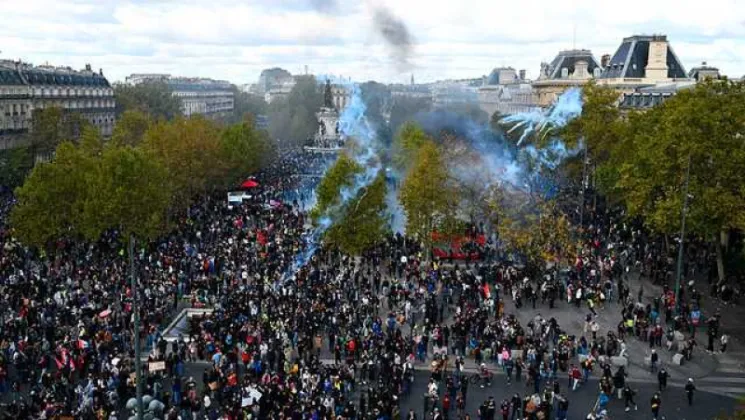
French authorities imposed curfews in multiple cities on October 20, 2026, following violent protests that sparked clashes and prompted a sweeping security response, according to reports. More than 2,400 people have been arrested in connection with the unrest, with one report putting the total at over 2,500. The curfews, which restrict movement in affected urban areas, rank among the most restrictive tools available to authorities short of a state of emergency, and their imposition across several cities at once underlines how seriously officials are treating the deteriorating situation on French streets.
Key Facts at a Glance
- Curfews have been enforced in various cities across France following violent protests.
- More than 2,400 people have been arrested, with one report citing a figure of over 2,500.
- The curfews were introduced after protests descended into clashes, according to reports published on October 20, 2026.
- The scale of arrests points to unrest that is widespread rather than confined to a single location.
Mass Arrests Signal the Scale of the Unrest
The most striking figure to emerge from the reporting is the sheer number of detentions. According to the available accounts, more than 2,400 people have been arrested in connection with the protests, while one report places the total at over 2,500. The discrepancy between the two figures suggests that authorities are still consolidating their tally as operations continue on the ground.
Arrest numbers of this magnitude are significant by any measure. They indicate that the unrest has drawn large numbers of participants and that police have been operating at capacity, carrying out detentions across multiple cities rather than in one concentrated flashpoint. Figures on this scale typically place considerable strain on custody facilities, processing procedures and the wider justice system, as detained individuals must be identified, questioned and dealt with through legal channels in a short space of time.
The arrest total also offers a window into the character of the protests. The summary describes the events as violent protests that led to subsequent clashes, and the decision to move from crowd control to mass detention suggests that authorities judged the situation to have crossed a threshold requiring a firm response.
Curfews Bring Cities to a Standstill
Alongside the arrests, authorities have moved to impose curfews in various cities. A curfew order generally requires residents to remain off the streets during designated hours, with compliance enforced through police patrols and checkpoints. The measure is designed to empty public spaces during the periods when unrest has proven most intense, depriving potential confrontations of their setting and giving security forces room to deploy and regain control.
For ordinary residents, the effect is immediate and disruptive. Movement becomes restricted during curfew hours, daily routines are upended, and businesses and public services in affected areas face the challenge of operating under conditions that most cities experience only rarely. In cities under curfew, the normal rhythm of urban life, from evening commerce to public transport use, is inevitably curtailed for as long as the orders remain in place.
The decision to extend curfews across multiple cities, rather than a single trouble spot, is particularly notable. It suggests that officials assessed the risk of renewed violence as national in scope rather than local, and that they were willing to accept the economic and social cost of blanket restrictions in order to prevent a repeat of the clashes that prompted the measures in the first place.
What the Curfews Are Meant to Achieve
- Break the cycle of confrontation by clearing streets during the hours when clashes have occurred.
- Allow police to concentrate resources and respond quickly to any flashpoints that emerge.
- Signal to the public that authorities are in control and that continued unrest will not be tolerated.
Questions That Remain Unanswered
While the broad outlines of the situation are clear, several important details were not included in the available reporting, leaving a fuller picture of the unrest incomplete.
- The specific cities placed under curfew have not been named in the reports.
- The immediate trigger of the protests has not been detailed in the available accounts.
- No figures on injuries or casualties were provided in the reporting.
- The exact hours and expected duration of the curfews were not specified.
- It remains unclear how many of those arrested are still in custody or what charges they may face.
These gaps matter because they shape how the public can judge both the causes of the unrest and the proportionality of the response. Until more information is released, the focus will remain on the headline figures: the curfews and the arrest count.
A Delicate Balance for French Authorities
The combination of citywide curfews and thousands of arrests represents a hard-edged response, and such measures rarely exist without controversy. Curfews restrict the freedom of movement of entire urban populations, including the vast majority who are not involved in the violence, and they often prompt debate about the balance between public order and civil liberties. At the same time, governments facing violent clashes are frequently judged on their ability to restore calm quickly, and the swift imposition of curfews alongside mass arrests indicates that French authorities have chosen decisiveness.
What happens in the coming days will determine whether that judgment proves effective. If the curfews hold and the violence subsides, attention will shift to the legal processing of the more than 2,400 people arrested and to any political reckoning over the underlying grievances that fueled the protests. If the unrest continues despite the restrictions, pressure on authorities to escalate further, or to change course, will only intensify.
For now, France's cities are operating under restrictions that few residents will have experienced before, and the situation remains fluid. Further details, including the full extent of the curfews and updated arrest figures, are expected to emerge as reporting continues. Updates will follow as more information becomes available from the original reports.