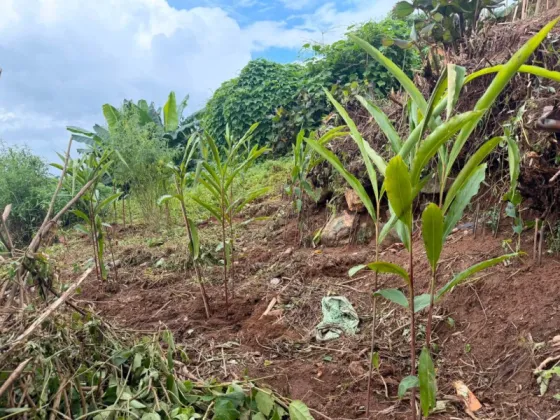
Farmers in Musung village of Beni Municipality-3 in Myagdi district are preparing to grow cardamom on a commercial scale after a trial plantation established three years ago inside the Osepilo uttis forest at Charakhola began giving good yields. According to ward chair Padam Pun, the success of the experimental planting has prompted farmers in the village to expand cultivation of the spice, turning what began as a small trial into what now looks set to become a new commercial venture for the area.
A Three-Year Trial in the Forest
The trial plantation was set up three years ago within the Osepilo uttis forest at Charakhola, in Musung village. Cardamom is a shade-loving spice crop that is generally grown under a canopy of trees, and planting it inside a forested area gave the experimental plot natural growing conditions of the kind the plant prefers. The crop also demands patience: cardamom plants typically need a couple of years to establish themselves before harvests reach meaningful levels, which is why the results of the Musung trial are only now becoming clear.
As reported by Nepal Press and Rato Pati, the three-year-old plantation has begun giving good yields, indicating that the local climate and forest environment in Musung suit the crop. That confirmation matters for a village testing whether cardamom can graduate from an experiment into a dependable cash crop.
Ward Chair Confirms Success, Farmers Respond
Ward chair Padam Pun said the cardamom planted three years ago at Charakhola has started producing well. His assessment, coming from the ward office that covers Musung, is based on results visible on the ground rather than on projections, and it gives the trial an official endorsement at the local level. Pun noted that the good yields have encouraged other farmers in the village to expand as well.
That shift from trial to expansion is the clearest sign yet that Musung's first experiment with the spice has won over local growers. Farmers who might have hesitated to commit land and labour to an untested crop now have a working example within their own village, planted in familiar conditions and grown over three years, showing that cardamom can take root and produce in Musung's hills.
Key facts from the trial:
- Location: Musung village, Beni Municipality-3, Myagdi district, with the plantation sited at Charakhola inside the Osepilo uttis forest
- Timeline: planted three years ago, with good yields now beginning
- Crop: cardamom, a shade-grown spice
- Response: ward chair Padam Pun confirmed the success, and local farmers are moving to expand cultivation commercially
Why the Results Matter
Cardamom is widely regarded as one of Nepal's more valuable spice crops, and hill districts across the country have taken it up as a cash crop where conditions allow. For a village like Musung, the successful trial suggests the crop can fit into the local landscape, since the trial itself was raised inside an existing forest rather than on newly cleared farmland.
The good yields also indicate that the trial's planting choices, from the site at Charakhola to the shelter of the uttis forest, suited the crop. Three years is a meaningful test period for cardamom: the plants had time to pass through their slow establishment phase and demonstrate whether they could produce in Musung's conditions. On the evidence now reported, the answer is yes, and that evidence is what fellow farmers in the village appear to be acting on as they plan larger plantings.
From Trial to Commercial Fields
The next step for Musung's farmers is expansion, and the ward chair's public confirmation of the trial's success is likely to influence how widely growers follow through. Pun's statement that the first plantation is yielding well gives hesitant farmers a local reference point, and the move toward commercial cultivation marks the transition of cardamom from curiosity to crop in the village's farming plans.
For now, the measurable outcome is straightforward: a three-year-old plantation in the Osepilo uttis forest is producing good yields, the chair of the ward has confirmed it, and farmers in Musung are preparing to plant more. Whether the expanded fields replicate the trial's results will become clear over the coming years, as newly planted cardamom works through the same establishment period that the Charakhola plot has just completed. Until then, Musung's growers will be watching their first commercial plantings as closely as they watched the trial that started it all.
Details of the trial and the farmers' response were reported by Nepal Press and Rato Pati.