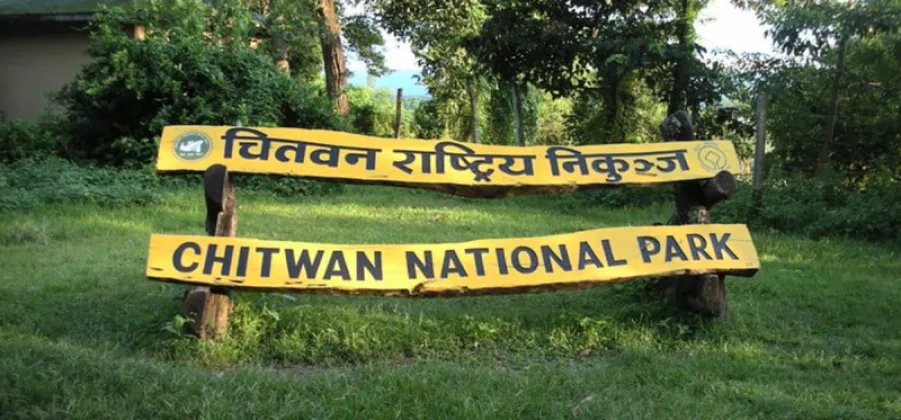
Chitwan National Park has put in place a special security strategy for the festive season, deploying more than 1,200 personnel from the park administration and the Nepali Army to counter a seasonal rise in the risk of poaching. Park information officer Avinas Thapa Magar said the plan was prepared because poaching threats intensify during festivals, when the movement of unfamiliar people in and around the protected area increases. Alongside the manpower, the park has installed 35 spy cameras in sensitive areas and is using trained dogs to strengthen surveillance during the festival period.
Why Festivals Raise the Poaching Risk
Festival seasons change the human landscape around the park. Large numbers of visitors, travelers and workers move through areas near the protected forest, and it is this influx of unfamiliar faces that park officials identify as their main concern. According to Thapa Magar, the risk of poaching rises during festivals precisely because of this increased movement of people who are not known to local security staff, prompting the park to place itself on a heightened state of vigilance.
Park protection depends heavily on familiarity. Over time, security staff come to know which people and vehicles routinely pass through particular areas, so unusual activity tends to stand out against that baseline. Festivals disturb exactly this baseline. When many additional people are on the move, the mere presence of strangers stops being a warning sign in itself, and that is the gap the festive-season plan is designed to close.
A Joint Deployment of More Than 1,200 Personnel
The centerpiece of the plan is its scale. More than 1,200 personnel are being deployed for the festive season, drawn from two institutions: the park administration itself and the Nepali Army. The security plan was reported by Nagarik News, and the announcement was also carried by Ratopati and Khabarhub.
The key elements of the festive-season security package are:
- More than 1,200 personnel deployed from the park administration and the Nepali Army
- 35 spy cameras installed in sensitive areas of the park
- Trained dogs deployed to support surveillance operations
- Heightened vigilance maintained for the duration of the festival period
The involvement of both institutions matters. Park administration staff bring familiarity with the terrain and the daily rhythm of the protected area, while army personnel add manpower and a security presence that extends the operation's reach. Combining the two under a single festive-season strategy is intended to ensure that coverage does not thin out at precisely the moment when the risks climb.
The framing of the plan is also significant. As the coverage described it, this is a security plan targeted specifically at park festivals, built around surveillance by trained dogs. That signals the deployment is not a permanent restructuring of the park's security but a focused arrangement tied to the festive calendar, scaled to a specific and well-understood period of elevated risk.
Cameras and Canines Anchor the Surveillance Effort
Technology and canine support form the second pillar of the strategy. The park has installed 35 spy cameras in areas it has identified as sensitive, allowing security staff to monitor locations that cannot be physically manned around the clock. Such cameras serve a dual purpose: they record activity in vulnerable spots, and their presence acts as a deterrent, since anyone considering illegal entry into a watched zone runs a greater risk of being detected.
The use of trained dogs adds a mobile dimension that fixed cameras cannot provide. Under the current plan, the animals are being deployed for surveillance, working alongside the security personnel and the camera network. Dogs can move with teams and cover ground in ways that complement both foot patrols and static monitoring, and their inclusion alongside a large security force reflects a layered approach in which each component helps cover the limitations of the others.
A Seasonal Test for Park Protection
The strategy reflects a broader reality of protected-area management: threats do not arrive evenly across the year, and security planning has to anticipate the moments when danger peaks. By preparing the plan ahead of the celebrations, the park administration is aiming to get ahead of the seasonal surge in risk rather than respond to it after the fact. The festival period is being treated as a distinct phase, with its own deployment, its own equipment and its own security posture.
For now, the message from the park is one of readiness. With more than 1,200 personnel on the ground, 35 spy cameras watching sensitive locations and trained dogs supporting surveillance, Chitwan National Park has assembled a targeted security plan for the festival season. Vigilance, Thapa Magar indicated, will remain heightened for as long as the increased risks of the festive period persist.