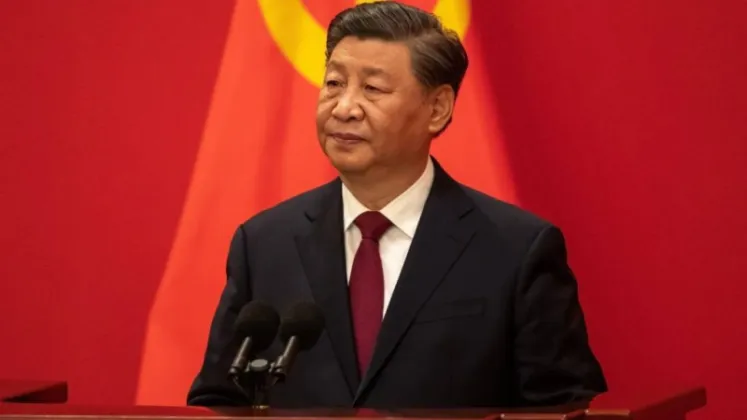
Beijing has responded to the results of the United States midterm elections with a studied silence, and analysts say the quiet is no accident. According to reports in the Nepali media, China is prioritising stable relations with Washington as President Xi Jinping prepares to host US President Donald Trump for a summit later this month. With Xi expected to welcome Trump in China toward the end of the month, Beijing appears to have calculated that any public comment on the American vote, however it is framed, carries more risk than reward. The result is a striking contrast: an election with global consequences passes in the United States, while its chief rival across the Pacific chooses to say almost nothing at all. As Nepalpress reported, the question of how China is viewing the midterm results has become a subject of close analysis precisely because the official Chinese response has been so restrained.
A Deliberate Silence in Beijing
The most notable feature of China's reaction to the midterms is what it lacks: commentary. Rather than welcoming, criticising or even substantively acknowledging the election outcome, Beijing has gone quiet, and the reports suggest this restraint is a strategy rather than indifference. According to Nagarik News, China's silent response to the US election reflects a deliberate effort to maintain stable relations with Trump ahead of the two leaders' meeting.
The logic, as the reports indicate, is straightforward. A summit between Xi and Trump is approaching, and the last thing Beijing wants is to give Washington any reason to portray China as an opportunistic actor seeking advantage from America's internal political battles. By declining to comment, China avoids handing critics in the United States an easy talking point, and it preserves freedom of manoeuvre for the diplomatically sensitive weeks ahead. In effect, Beijing has concluded that on the American midterms, silence is the most useful statement it can make.
The Summit Anchoring Beijing's Calculus
The summit explains the silence. Xi is expected to welcome Trump in China toward the end of the month, a meeting that arrives at a moment when relations between the two countries are defined by a broader power rivalry. For Beijing, the reports suggest, the overriding priority is stability: a relationship with Washington that is predictable enough to manage and calm enough to allow both governments to pursue their interests without escalation.
Hosting a summit is a significant undertaking for any government, and meetings between the leaders of China and the United States are generally the product of careful preparation on both sides. That reality helps explain why China has avoided any commentary that could disturb the atmosphere before Trump arrives. The reports make clear that Beijing regards the meeting as too important to jeopardise, and that keeping relations with Washington steady is the guiding objective of its current posture. Until the summit concludes, China's public stance on American politics is likely to remain carefully noncommittal.
Midterm Results Seen as a Potential Opening
While China's official voice has stayed quiet, the assessments emerging around the election are more assertive. Analysts view the midterm results as a potential opportunity for Beijing amid the broader power rivalry between the two countries. Shifts in the American political landscape can influence how Washington approaches its foreign and economic policy, and any change that creates room for diplomacy or eases pressure on China could, in principle, work to Beijing's advantage.
The analysts' caution, however, is as important as their optimism. An opportunity on paper is not the same as a change in policy, and much will depend on how the new balance of power in Washington translates into actual decisions affecting China. Beijing's own behaviour suggests its leadership is taking nothing for granted. The quiet response to the vote points to a preference for flexibility, keeping options open rather than committing publicly to any single reading of the results.
The key points emerging from the reports are clear:
- China has reacted quietly to the US midterm election results
- Beijing is prioritising stable relations with Washington ahead of the summit
- Xi is expected to host Trump in China toward the end of the month
- Analysts see the midterms as a potential opportunity for Beijing amid the two countries' rivalry
The Road to the Summit
The choreography of the coming weeks reflects the state of the broader relationship. The rivalry between China and the United States has made every interaction between the two governments consequential, and both sides know a leaders' summit can either steady ties or expose how wide the gaps remain. For China, the calculation is that stability serves its interests better than confrontation at a moment when it is preparing to extend diplomatic hospitality to its most consequential counterpart. For the United States, the meeting offers a chance to engage directly with the leader of its principal strategic competitor.
Analysts suggest the midterm results add another layer to the picture, because the political environment Trump returns to after the summit could shape how much room he has to pursue engagement with Beijing. That interplay between domestic American politics and great-power diplomacy is precisely why China's silence has drawn attention: it is the posture of a government watching closely while choosing not to be seen watching. For Beijing, the immediate task is simpler. Say little, keep relations stable, and ensure the summit proceeds smoothly. If the meeting produces a calmer phase in the relationship, China's quiet strategy will be judged to have worked. If ties deteriorate, the silence will be remembered as the sound of a government protecting its options. Either way, the coming weeks will test whether stability, the stated priority of Chinese policy toward Washington, can hold through a month of high-stakes diplomacy.