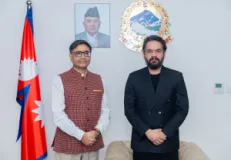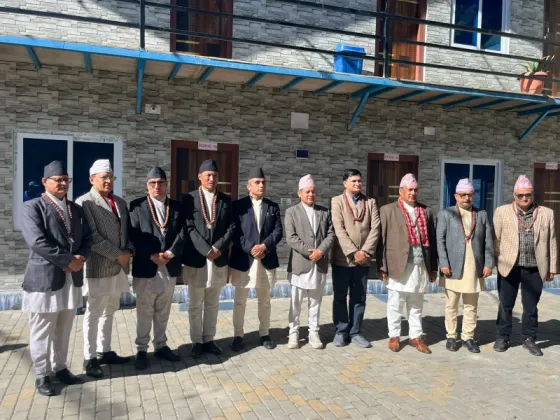
Chief Minister Shahi has called for a review of federalism in Nepal, saying the constitution should be amended only after the existing federal structure has been carefully examined. His remarks, published on November 5, 2026, were made while he was speaking on the issue of federalism and constitutional reform, and were carried by both Nepal Samaya and Nepal Views.
According to the reports, the Chief Minister said federalism should be reviewed and the constitution amended accordingly. The emphasis in his statement fell on sequence: a review of the existing federal structure must come first, and any constitutional amendment should follow from what such a review reveals rather than precede it.
Review First, Amendment to Follow
The core of Shahi's position, as reported, is that the country should not move to rewrite constitutional provisions on federalism without first understanding how the federal system has actually functioned on the ground. He stressed that a review of the existing federal structure is necessary before amending the constitution, framing that review as the essential groundwork for any reform that follows.
Read together, the reports suggest a step-by-step approach to constitutional change:
- Examination of the current structure - a review of how the existing federal set-up has operated since it came into effect.
- Evidence before revision - amendments to the constitution should be informed by what the review establishes, rather than by assumptions about the system.
- Text aligned with findings - the constitution should be amended "accordingly," meaning the constitutional language should reflect the realities that the review brings to light.
This framing makes clear that Shahi's intervention was directed at the process of reform as much as at its substance. By insisting that review must precede amendment, he has placed deliberation and assessment at the centre of the federalism debate.
Federalism in Nepal's Constitutional Order
Nepal's current constitution transformed the country from a unitary state into a federal democratic republic, establishing three tiers of government - federal, provincial and local - and dividing the country into seven provinces. Since its adoption, federalism has remained one of the most closely debated features of the constitutional order, with political parties, provincial leaders and commentators regularly raising questions about how the system is working.
In public discussions over the years, that scrutiny has covered a broad range of themes: the division of responsibilities among the three tiers of government, the distribution of fiscal resources, the administrative capacity of provincial and local institutions, and the extent to which the federal design has delivered on its promise of bringing governance closer to the people. Constitutional amendment itself has been a recurring element of Nepal's political discourse, with parties periodically floating revisions to the constitution as part of broader reform conversations.
A Chief Minister occupies a distinctive position in this debate. As the head of a provincial government, Shahi is directly involved in operating the very federal system that critics and supporters alike discuss from the outside. His call for a review of federalism therefore carries particular weight, coming as it does from an officeholder responsible for running one of the units of the federal structure itself, and his remarks have added a prominent voice to the ongoing conversation about constitutional reform.
Amendment, Not Abandonment
The direction of Shahi's remarks is also notable. As reported, he spoke of federalism being reviewed and the constitution being amended accordingly; the reports do not present him as calling for federalism to be discarded. The insistence that the existing federal structure be examined before any amendment suggests he views constitutional change as something that should follow from assessment and deliberation, positioning his statement within the camp of those seeking recalibration of the system through constitutional means.
The Path to Amendment
Any amendment to Nepal's constitution must clear a parliamentary process, and changes touching the federal framework are among the most demanding, since they engage the balance of authority between the federal government and the provinces. A review of federalism of the kind Shahi described would likewise require political consensus and an agreed mechanism. Neither the reports from Nepal Samaya nor Nepal Views specified what form such a review might take - whether a formal commission, a parliamentary committee or another process - or what timeline might attach to it.
What is clear from the November 5, 2026 reports is the Chief Minister's core message: review the federal structure first, and amend the constitution on the basis of what that review shows. By publicly linking the future of federalism to a deliberate, review-led process of constitutional amendment, Shahi has contributed a clearly sequenced proposal to a debate that, given federalism's place at the centre of Nepal's constitutional order, is expected to continue in the days ahead.