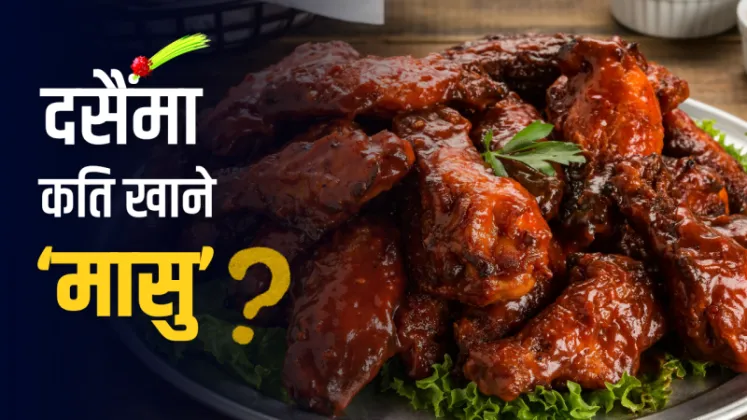
Senior cardiologists in Kathmandu have warned that Dashain, Nepal's biggest and most food-centred festival, can pose a serious risk to heart health if celebrants abandon moderation over the festive days. Senior cardiologist Dr. Lamsal and senior heart specialist Dr. Kamal Sharma advised Nepalis to protect their hearts during the festival, noting that consumption of meat, oily food, sweets, alcohol and cold drinks rises sharply during Dashain. Their advice, published in Kathmandu-based reports and interviews including RatoPati's conversation with Dr. Lamsal, carries a clear message: celebrate the festival, but do not let the celebration damage your heart.
A Season of Excess for the Heart
The doctors pointed to a familiar festive pattern. As families gather for Dashain, tables fill with foods that are consumed far more heavily than at other times of the year. According to the cardiologists, the sharpest rise is seen in five categories:
- Meat dishes, often eaten in larger quantities and more frequently than usual
- Oily and fried food, a staple of festive cooking
- Sweets, exchanged and consumed in abundance
- Alcohol, which flows more freely during social gatherings
- Cold drinks, consumed alongside heavy meals
Dr. Lamsal and Dr. Sharma cautioned that this surge in indulgence is only part of the problem. Overeating during the festival, they said, is frequently accompanied by reduced physical activity, as daily routines give way to feasting, travel and relaxation. Together, these changes can raise the risk of heart disease, particularly among people who already live with health conditions. The warning was also carried in wider coverage of festival health risks, including reporting by Khabarhub on the cardiologists' advice.
Missed Medicines and Broken Routines Multiply the Risk
A central concern raised by the specialists is the tendency of patients to let their treatment lapse during the festival. Regular medication, the doctors stressed, must not be skipped simply because normal schedules are disrupted by family visits, travel and celebrations. For people with chronic conditions, missing doses while simultaneously eating richer food and moving less can compound the strain on the heart.
The cardiologists were equally firm on the question of diet. Chronic patients, they advised, should not drastically change their diet or routine during Dashain. Sudden shifts, whether in what is eaten or in the rhythm of daily life, can destabilise conditions that are otherwise kept under control. The safer course, according to the doctors, is continuity: patients should continue the eating patterns and daily habits that have kept their illness managed, even while participating in festival gatherings.
What the Doctors Recommend
Drawing together the advice issued by Dr. Lamsal and Dr. Sharma, the key precautions for the festival period are:
- Limit festive excess. Keep the intake of meat, oily food, sweets, alcohol and cold drinks in check, recognising that consumption of all five rises sharply during Dashain.
- Avoid overeating. Large, heavy meals place additional load on the heart, particularly when repeated day after day through the festival.
- Stay physically active. Do not allow the festive break to become a period of complete inactivity, as reduced movement adds to the risk.
- Never skip regular medication. Continue prescribed medicines on schedule, regardless of how disrupted the days become.
- Maintain your routine. Chronic patients in particular should not drastically change their diet or daily routine during the festival.
Safer Choices in the Kitchen
Alongside the cardiologists' warnings, Kathmandu-based outlets published separate dietary guidance aimed at helping families make safer choices during the festival. As reported by Nagarik News, these explainers address health crises linked to festive eating and offer scientific dietary solutions.
The guidance includes specific advice for uric acid patients, a group for whom heavy festive consumption can be particularly problematic. It also covers the safe selection of meat, an item that dominates Dashain menus, along with its proper storage and cooking. Together, the explainers suggest that how families choose, handle and prepare festive food matters as much as how much of it they eat, offering households practical steps to reduce health risks without taking the celebration off the table.
Celebrate, But Protect the Heart
The cardiologists' message is not one of prohibition. Dashain remains a time for family, feasting and celebration, and neither Dr. Lamsal nor Dr. Sharma called on Nepalis to forgo it. What they urged instead is awareness: the very foods and habits that define the festival, from oily platters and sweets to alcohol, long meals and idle days, are precisely the ones that can raise the risk of heart disease when taken to excess.
For the millions of Nepalis managing chronic conditions, the stakes are higher still. The doctors' advice to this group is unambiguous: enjoy the festival, but do not abandon the diet, routine and medication that keep you well. As the RatoPati headline put it, celebrate Dashain, but protect your heart.