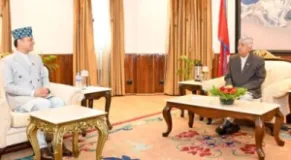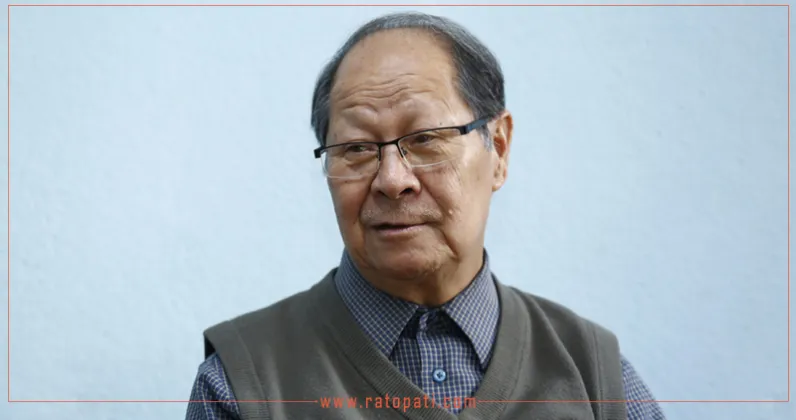
Nepal Workers and Peasants Party chairman Narayanman Bijukchhe has called for all patients visiting hospitals to be treated equally and provided with easy access to quality health services. He made the remarks at Khwopa Hospital in Bhaktapur, which is run by Bhaktapur Municipality, during a special newborn care programme held at the hospital. The remarks were reported by Ratopati and Nagarik News.
Call for equal treatment in hospitals
Bijukchhe’s message focused on how patients should be treated when they seek hospital services. He said people coming for care should receive equal treatment, making fairness in patient care a central part of his appeal. His remarks also stressed that health services should be easy for patients to access and should meet a standard of quality.
The call links three expectations: equal treatment, accessible services and quality care. It was directed at hospitals and the services they provide to patients. Bijukchhe did not, in the information reported by the two outlets, identify a particular group of patients as the focus of the appeal. Instead, the message was framed broadly around all people who visit hospitals.
The statement was made at Khwopa Hospital during a special newborn care programme. The setting brought the remarks into a health-service event, while the substance of the appeal extended beyond newborn care to patients seeking hospital services more generally. No specific changes to hospital procedures or new measures were detailed in the reports provided.
Remarks at Khwopa Hospital
Khwopa Hospital is run by Bhaktapur Municipality and is located in Bhaktapur. Bijukchhe delivered his remarks there as part of the programme, according to the reports. The event’s focus was special newborn care, but his comments addressed the wider principle that patients should be treated equally and be able to obtain quality services without difficulty.
Equal treatment, as expressed in Bijukchhe’s appeal, places emphasis on patients receiving fair consideration when they approach a hospital. Easy access, meanwhile, points to the importance of services being available to those seeking care. His statement brought these concerns together with the expectation that the services patients receive should be of quality. The reports did not provide further detail on how he proposed hospitals should implement these expectations.
The remarks were carried by both Ratopati and Nagarik News. Their reports described Bijukchhe’s call for equal treatment of service recipients and for accessible, quality health services. The available account does not specify the date of the programme or provide additional comments from hospital officials, municipal representatives or other participants.
A broad appeal to health providers
Bijukchhe’s appeal was not limited in the available reporting to a particular department, treatment or patient category. It addressed hospitals’ responsibility to provide services fairly to those who come for care. By placing equality and quality alongside ease of access, the message outlined broad expectations for patient-facing health services without setting out a detailed policy or implementation plan.
The reports did not describe specific service improvements announced at the event. They also did not indicate whether Khwopa Hospital or Bhaktapur Municipality introduced any new commitments in response. The central point attributed to Bijukchhe remained that every patient visiting a hospital should be treated equally and should have access to easy, quality care.