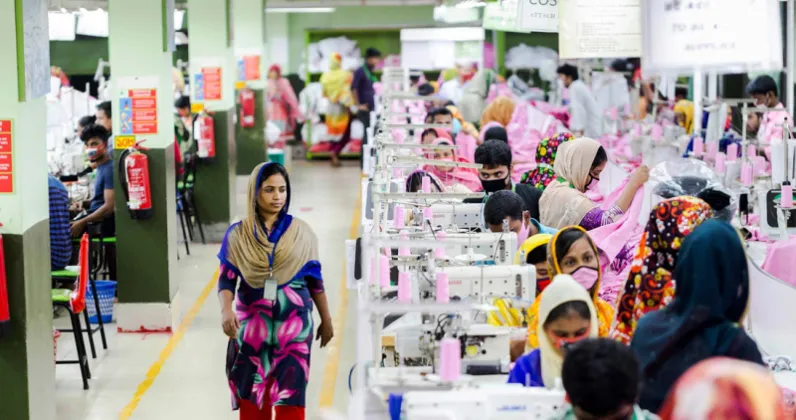
Garment workers in Bangladesh have secured a 36 percent increase in their minimum monthly wage, the outcome of prolonged negotiations between worker representatives and the industry side. The agreement, reached on Wednesday, lifts the minimum monthly wage from 12,500 taka to 17,000 taka.
A hard-won deal
The new wage structure follows long and drawn-out talks between the two parties. Workers' representatives and industry negotiators finally settled on the 36 percent rise, marking a significant adjustment to the baseline pay in one of the world's largest garment-producing countries.
Under the agreement, the minimum monthly wage now stands at 17,000 taka, up from the previous 12,500 taka. The deal concludes a negotiation process that had stretched over an extended period, with both sides ultimately finding common ground on the revised figure.
Context: a vital industry
Bangladesh's garment sector is a cornerstone of the national economy and a major source of export earnings, employing millions of workers, a large share of whom are women. Minimum wage levels in the sector have long been a sensitive issue, with worker groups pushing for higher pay while industry representatives weigh production costs and competitiveness.
The negotiated increase comes at a time of heightened attention to wage conditions in the sector, and the agreement on Wednesday is expected to set the pay floor for workers across the industry.
What the agreement means
The 36 percent hike translates into a concrete monthly gain for workers at the bottom of the pay scale:
- Previous minimum wage: 12,500 taka per month
- New minimum wage: 17,000 taka per month
- Increase: 36 percent
For workers, the deal represents meaningful relief in the form of higher guaranteed monthly income. For employers, the revised wage floor will factor into labour costs across the sector.
The agreement was formalised following the Wednesday talks, ending the prolonged negotiation phase. Both worker and industry sides had engaged in extended discussions before arriving at the final figure.
The road ahead
While the announcement closes one chapter of negotiations, wage discussions in Bangladesh's garment industry remain a recurring feature of labour-industry relations, with pay levels periodically reviewed through dialogue between the two sides. The 17,000 taka minimum now becomes the benchmark against which future negotiations will be measured.
For now, workers across the sector stand to benefit from the new wage floor, which takes effect under the agreement reached this week, capping weeks of talks with a substantial 36 percent increase in the minimum monthly wage.