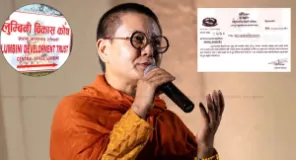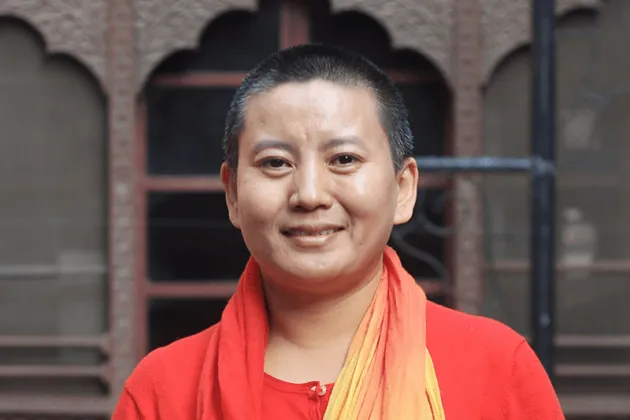
The Government of Nepal has appointed Buddhist nun and internationally celebrated singer Ani Choying Drolma as Vice-Chairperson of the Lumbini Development Fund, in a decision reported from Kathmandu that has quickly drawn controversy. The appointment places one of Nepal's most recognizable spiritual and cultural figures in a senior leadership role at the body charged with developing Lumbini, revered across the world as the birthplace of Gautama Buddha. But rather than being received as a straightforward honor for a beloved public figure, the move has been overshadowed by media reporting linking it to an old money laundering case, a controversy that has flared up again and cast a shadow over the announcement.
A Prominent Voice in Music and Service
Drolma occupies a rare position in Nepali public life, combining monastic devotion with an international career in music. As a Buddhist nun, she rose to global recognition as a singer of devotional music, performing for audiences far beyond Nepal's borders and carrying the sounds of Nepali Buddhist tradition to international stages. Her reputation, however, extends well beyond her artistry. Over the years she has built a parallel identity as a social worker, directing the visibility gained through music toward initiatives serving vulnerable communities.
Two of her social endeavors are particularly well known:
- A school for nuns: Drolma established a school dedicated to the education of nuns, one of her signature philanthropic projects and a reflection of her lifelong commitment to monastic life.
- Support for kidney patients: She also founded an organization that supports kidney patients, extending care to people living with kidney ailments through a dedicated support structure.
Together, these initiatives have made her name familiar well outside Nepal and help explain why the government's decision to bring her into the Lumbini Development Fund attracted attention in the first place.
The Body Behind Lumbini's Development
The Lumbini Development Fund is charged with the development and preservation of Lumbini, the sacred site in southern Nepal where Gautama Buddha is believed to have been born. The location holds immense religious, cultural and historical significance for Buddhists around the world, draws pilgrims and visitors from many countries, and is recognized internationally for its heritage value. The fund's leadership therefore carries both administrative responsibility and symbolic weight, since decisions made there shape how one of Buddhism's most important sites is maintained and developed.
The vice-chairpersonship that Drolma now assumes is a senior position within this structure. Given the site's importance to followers of Buddhism globally, the identity of the fund's officeholders is a matter of genuine public interest, which helps account for the intensity of the response to her appointment.
Criticism Mounts as Old Case Resurfaces
The appointment has come under fire in the coverage that followed the announcement, with reporting focusing not on Drolma's credentials but on a money laundering controversy from the past. According to a report by RatoPati, the appointment "comes under fire as old money laundering controversy flares up," a framing that captures how a decision involving a nationally admired figure has instead reignited discussion of the old case.
Nepal News went further, publishing a dedicated explainer titled "Everything you need to know about Ani Choying Drolma's controversial Lumbini appointment," a signal of the breadth of public interest in the story. The level of coverage underscores the unusual nature of the reaction. Appointments to development bodies are routine features of governance, but the combination of a prominent spiritual figure, one of the world's holiest sites and a lingering controversy has made this appointment especially contentious. Reports have directly linked the appointment to the money laundering case, ensuring that the legal issue, rather than the new role itself, has dominated the narrative since the announcement.
What Lies Ahead
For Drolma, the post marks a formal role in the stewardship of a site of global religious significance, adding an institutional dimension to a career that has already spanned music, monastic life and humanitarian service. Her profile as both an artist and a social worker made her a distinctive choice for the fund, and her work with nuns and kidney patients remains central to how she is known at home and abroad.
For now, however, the focus remains firmly on the controversy. With media reports continuing to connect the appointment to the resurfaced money laundering case, the debate over the decision has become the defining storyline of the announcement. Whether public attention shifts back to her record of service or remains fixed on the old controversy will shape the early period of her tenure as Vice-Chairperson of the Lumbini Development Fund.