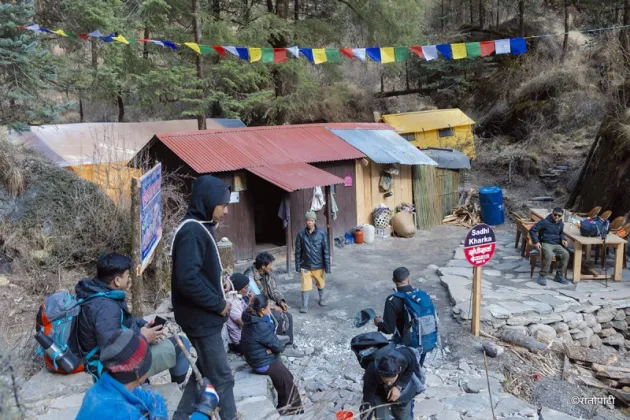
The Annapurna Conservation Area Project (ACAP) collected Rs 216.99 million in entry fees from foreign tourists who visited restricted areas within the Annapurna Conservation Area last fiscal year, underscoring the significant revenue that Nepal's controlled-access tourism zones continue to generate. According to ACAP, the exact collection stood at Rs 216.9975 million, all of it paid by foreign nationals who obtained the special permits required to enter the restricted areas of Upper Mustang and the Nar Phu area of Manang district. The figure, reported by Ratopati, reaffirms the restricted zones as a quiet but consistent earner for the conservation area.
Access Only Through Special Permits
Foreign visitors cannot travel freely to every corner of the Annapurna Conservation Area. Two destinations in particular, Upper Mustang and the Nar Phu area of Manang, are designated as restricted areas, meaning foreign nationals need special permits to set foot there. For travellers, the special permit is the single gateway to these destinations, and without it, entry to the restricted zones is not permitted. This requirement sets the two areas apart from the rest of the conservation area, where visitors can otherwise move on general entry provisions.
The restricted status of Upper Mustang and Nar Phu is the foundation of the revenue stream ACAP has reported. Each foreign tourist who wishes to visit either destination must first secure the relevant permit, and the entry fees tied to these permitted visits are what add up to the annual collection. As ACAP stated, the revenue is collected annually from such permitted visits, making the restricted areas a recurring source of income rather than a one-off gain.
The key elements of the arrangement are straightforward:
- Upper Mustang and the Nar Phu area of Manang are restricted areas within the Annapurna Conservation Area.
- Foreign nationals must obtain special permits to visit either destination.
- Entry fees from these permitted visits are collected by ACAP each fiscal year.
- The collections are an annual exercise, repeated as foreign tourists continue to seek access to these zones.
Rs 216.99 Million in a Single Fiscal Year
The headline number for the last fiscal year, Rs 216.9975 million, works out to roughly Rs 21.69 crore, as noted by Arthasarokar, which reported that millions of rupees are collected from tourists visiting the prohibited areas every year. Nepali media coverage of the figures, including a report by Nagarik News, has similarly framed the annual earnings from these zones as revenue running into the millions.
Because ACAP gathers the fees from every permitted foreign visitor over the course of the year, the total represents the combined payments of all tourists who entered Upper Mustang and Nar Phu under the special permit system. The project's confirmation that this revenue is collected annually from permitted visits indicates that the figure is part of a continuing pattern of income tied directly to restricted-area tourism, rather than an isolated result.
Why Restricted-Area Tourism Matters
The strength of the collections highlights the pull that Nepal's restricted regions hold for foreign travellers. Upper Mustang and the Nar Phu area stand among the most exclusive destinations in the Annapurna Conservation Area precisely because access is limited and regulated, and foreign interest in obtaining the special permits translates into substantial annual revenue for ACAP. Tourism across the Annapurna region draws visitors from around the world, and the restricted zones form a distinct segment of that visitor economy, one where entry is conditional and fees are mandatory.
The permit system also shapes how tourism functions in these areas. By channelling foreign visitors through a special permit process, the framework ensures that travel to Upper Mustang and Nar Phu is both controlled and monetised, with each traveller's entry fee feeding into the conservation area's finances. The result is a model in which the most tightly guarded parts of the Annapurna Conservation Area generate a dependable flow of funds year after year.
A Recurring Boost for the Conservation Area
For the Annapurna Conservation Area, the Rs 216.99 million collected last fiscal year is more than a single-year curiosity. ACAP's own account makes clear that revenue from restricted-area tourists is an annual occurrence, gathered each year from the foreign nationals who secure permits for Upper Mustang and Nar Phu. As long as the permit system remains in place and foreign tourists keep applying for access, the restricted areas will continue to serve as a steady contributor to the conservation area's collections.
The latest figures also serve as a reminder of the economic weight of controlled tourism in Nepal. Even in areas where access is otherwise prohibited for outside visitors, the carefully regulated entry of foreign tourists produces earnings measured in the millions of rupees, a stream that ACAP records and reports as part of its annual collections from the Annapurna Conservation Area.