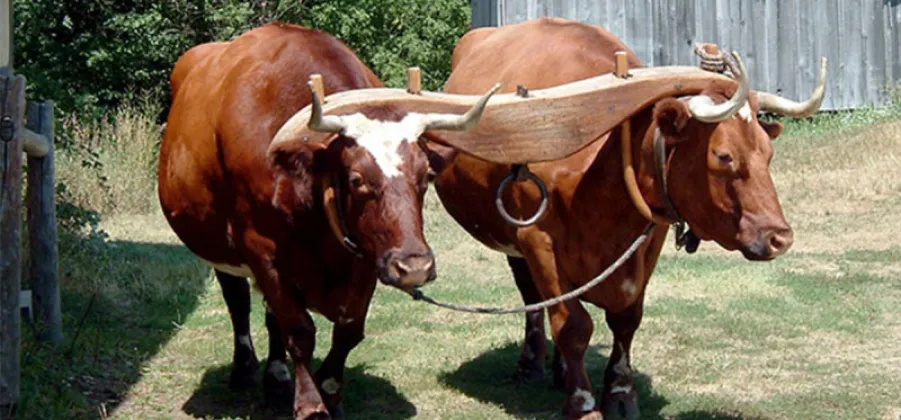
Aanbukhaireni Rural Municipality in Tanahun district has begun distributing grants to encourage ox-rearing, providing Rs 7,000 each to 46 farmers in Ward No. 1 in the programme’s first phase. The local government disbursed a total of Rs 322,000 under the ox-rearing grant programme, which is being implemented in line with the municipality’s policy and programme.
The initial distribution targets farmers in one ward and is the first phase of the municipality’s support scheme. Each of the 46 recipients received the same amount, making the total allocation for the phase Rs 322,000. The payment is intended to encourage farmers who rear oxen, according to the programme’s stated purpose.
Grant targets ox-rearing farmers
The scheme makes ox-rearing the specific focus of the grant, rather than providing a general payment to all farmers. Under the first-phase arrangement, eligible recipients in Ward No. 1 were granted Rs 7,000 apiece. The municipality has described the assistance as an effort to encourage the practice, with the distribution carried out under its policy and programme.
The figures announced for the first phase are:
- Recipients: 46 ox-rearing farmers
- Location: Ward No. 1, Aanbukhaireni Rural Municipality
- Grant per farmer: Rs 7,000
- Total distributed: Rs 322,000
The total matches the number of recipients multiplied by the individual grant: 46 farmers receiving Rs 7,000 each. The stated amount therefore represents the distribution to the 46 farmers in this phase, rather than an overall figure for every potential participant in the municipality’s programme.
First phase of the municipality’s programme
The municipality’s decision to distribute the grants follows its policy and programme, according to the information released about the initiative. The first-phase payments mark the start of the ox-rearing support programme. The information provided identifies Ward No. 1 as the location covered in this round and gives the number of farmers paid and the amount each received.
The announcement describes the grant as an incentive for people who rear oxen. It does not, in the details available, set out additional conditions or explain how the municipality assessed individual applications. The confirmed information is limited to the first-phase distribution: 46 farmers in Ward No. 1 each received Rs 7,000, for a combined payout of Rs 322,000.
Key details
The grant is a targeted local-government initiative for ox-rearing farmers, and the distribution described so far covers Ward No. 1. The municipality has begun the programme with equal payments to the 46 recipients in that ward. No further information has been provided here about the number of farmers who may receive assistance in other wards, whether additional phases are planned, or the timeline for any future distribution.
By starting with a defined group of ox-rearing farmers, Aanbukhaireni Rural Municipality is putting its stated encouragement policy into practice through direct financial support. The first-phase total and per-farmer amount provide a clear account of the assistance delivered so far, while the programme’s wider reach remains unspecified in the announcement.