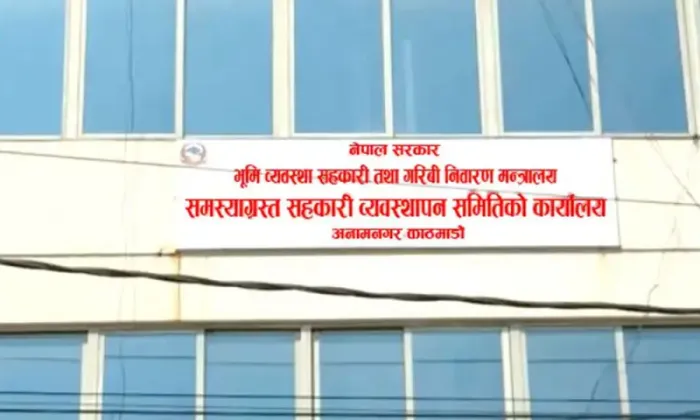
The Problematic Cooperative Management Committee has refunded savings to 122 depositors across seven troubled cooperatives, according to details it published. The payments were made in full or in part using money recovered through loan collection and the management of the cooperatives’ assets. The committee named Nepal Sahakari Vittiya Sahakari, Ideal Yamuna Hamro Bahuuddeshya Sahakari and Shibashikhar Sahakari among the cooperatives involved; 23 Shibashikhar depositors received full refunds.
Refunds funded by recoveries and assets
The committee’s disclosures describe a refund process tied to funds recovered from the cooperatives. Loan collection and asset management were identified as the sources used to pay depositors. The details do not indicate that every depositor received the same outcome: some savings were returned in full, while others were refunded only in part.
The total amount paid out, the individual sums received and the breakdown of full and partial refunds across all seven cooperatives were not included in the information provided. The reported figure is the number of depositors refunded - 122 - rather than the amount of money distributed. The committee’s account therefore gives a measure of how many savers have received payments, while leaving the value of those payments unspecified.
The use of loan recovery and asset management links the refunds to funds collected or managed on behalf of the cooperatives. The committee said those funds were used for the repayments. The published details do not give a separate total for money recovered from borrowers or proceeds associated with cooperative assets, so the relative contribution of each source cannot be determined from the information available.
Seven cooperatives included
The three cooperatives identified by name were Nepal Sahakari Vittiya Sahakari, Ideal Yamuna Hamro Bahuuddeshya Sahakari and Shibashikhar Sahakari. The committee’s reported total covers seven cooperatives, but the available summary does not identify the other four. It also does not provide a cooperative-by-cooperative count of all 122 depositors.
Shibashikhar was the only cooperative for which a specific depositor count and refund outcome were given: 23 depositors received their savings in full. That figure is part of the overall total of 122, not an additional group. The information does not state how many depositors at Shibashikhar received partial refunds, or how the remaining refunds were divided among the other cooperatives.
The committee’s update records payments already made, rather than setting out a schedule for future refunds. It does not specify when the payments took place, whether further repayments are planned, or how many depositors across the seven cooperatives may still be awaiting their savings. The published information also does not provide details about the circumstances that led each cooperative to be classified as troubled.
The figures highlight the scale of the reported refund effort in terms of depositors reached, while showing that payment outcomes differ. For 23 Shibashikhar savers, the committee reported full repayment; across the wider group, it said refunds were made either fully or partially. No additional timetable or payment target was included in the details summarized.