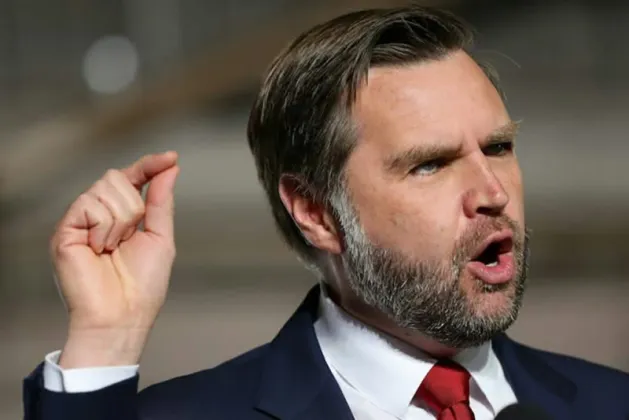
The war with Iran has become the central explanation for the Republican Party's midterm election defeat, and the diagnosis has come from the very top of the US administration. Vice President JD Vance said in a long post published on X that the conflict with Iran was the main reason the Republicans lost in the midterm elections. President Donald Trump responded to his vice president's remarks by declaring that Iran cannot be allowed to build nuclear weapons. The statements, reported on November 5, 2026 by Nepali outlets Nepal Press and Global Aawaj, have turned the post-election reckoning inside the Republican Party into a public debate over the political price of the war.
Vance Points Directly at the Iran War
According to Nepal Press, Vance used a lengthy post on X, the social media platform, to deliver an unusually frank assessment of the election result. The report's headline carries the substance of his message in his own reported words: "the main reason for our defeat is the Iran war." In other words, the vice president identified a single issue, the war with Iran, as the decisive factor behind the party's loss.
The admission is significant on several counts. It comes from the vice president, the second-highest officeholder in the administration that presided over the conflict. It assigns responsibility to one issue rather than distributing blame across the many factors that typically shape midterm outcomes, such as the economy, turnout or campaign strategy. And it was made publicly, on X, rather than in private party meetings, meaning the debate over the defeat is now unfolding in full view of voters and the press.
The Statements at a Glance
- JD Vance, the US Vice President, said in a long post on X that the war with Iran was the main reason for the Republican Party's defeat in the midterm elections.
- Donald Trump, the US President, responded to Vance's remarks, saying Iran cannot be allowed to build nuclear weapons.
- The statements were reported by Nepali news outlets, including Nepal Press and Global Aawaj, on November 5, 2026.
Trump's Reply: the Line on Iran Holds
President Trump responded to Vance's remarks, and his response, as reported by Global Aawaj, centered on one theme: Iran cannot be allowed to build nuclear weapons. Where the vice president's post dwelt on the electoral cost of the war, the president's reply restated the objective behind his Iran policy, indicating that the administration's bottom line on Tehran's nuclear ambitions remains in place even after the electoral setback.
The exchange is also notable for the tone of the debate it reveals inside the Republican Party. The reported statements do not show the president disputing his vice president's account of why the party lost. Instead, the two statements frame the same policy from two angles. Vance emphasizes that voters punished the party for the war, while Trump emphasizes the stakes that, in his telling, justify the policy: preventing Iran from building nuclear weapons. Together, the remarks sketch a difference of emphasis rather than an open split, at least in what has been made public so far.
Midterms as a Verdict on Power
Midterm elections in the United States are held halfway through a president's four-year term, when the entire House of Representatives, a large share of Senate seats, and numerous state and local offices are on the ballot. They are conventionally read as a referendum on the party occupying the White House, and the governing party has frequently lost ground in them. In this cycle, that verdict is now being interpreted through the Iran conflict, with the vice president himself identifying the war as the decisive factor in the Republican defeat.
That framing matters because of who is offering it. Parties that lose elections usually search for explanations, and those explanations shape the strategy that follows. When the second-highest official in the administration names the war as the main cause, the party's internal conversation is likely to center on the conflict's costs rather than on peripheral campaign questions. Trump's response, meanwhile, indicates that the core justification for the policy, keeping nuclear weapons out of Iran's hands, will continue to be defended.
A Debate Carried in Nepali Media
For Nepali readers, the story arrived through the international coverage of Nepal Press and Global Aawaj, both of which published reports on November 5, 2026 on the vice president's post and the president's reply. The coverage captured a moment in which the leadership of the United States and of one of its two major parties was publicly weighing why voters turned against it.
At this point, the public record consists of the two statements. The vice president attributes the midterm defeat to the war with Iran. The president answers that Iran cannot be allowed to build nuclear weapons. How the Republican Party reconciles those two positions, and how it explains the defeat to its own voters, is the question its leaders have now placed before the public themselves.