
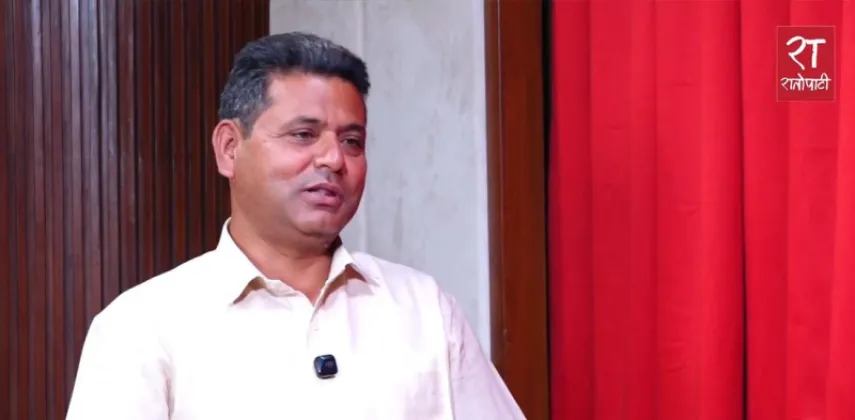
CPN (UML) propaganda and publication department chief Niraj Acharya on October 30, 2026, condemned government actions against journalists and media houses in Kathmandu, calling the interference undemocratic and fascist in nature. In statements shared on social media, he demanded an immediate end to the crackdown and urged the government to stop creating an atmosphere of fear and terror in society.
Acharya’s objection to government actions
Acharya’s remarks focused on reports of raids on media houses and the arrest of journalists. He objected to both as part of what he described as government interference in the media, and called for the actions to stop immediately. His demand was not limited to ending arrests: he also called for an end to the broader climate of fear and terror that he said was being created in society.
The UML leader’s use of the terms “undemocratic” and “fascist” reflected the strength of his criticism. He presented the government’s conduct as incompatible with democratic principles and objected to what he characterised as coercive treatment of journalists and media organisations. His statements made the protection of media freedom the central issue in his response.
The available reports describe his position as an objection to the raids and arrests, rather than as a response to a particular incident or an account of the circumstances behind an individual arrest. Acharya called for an immediate halt to the measures, but the statements provided no further details about the raids, the journalists involved or the government’s reasons for taking action.
Call to end fear and pressure
Acharya also linked the actions against journalists and media houses to a wider atmosphere in society. His demand to stop creating fear and terror broadened his criticism beyond the direct impact on media workers and organisations. In his view, the government’s conduct was contributing to an environment that needed to be brought to an end.
That call accompanied his demand for an immediate halt to the crackdown. The statements did not outline specific steps beyond stopping the arrests and raids and ending the atmosphere of fear. They did, however, make clear that Acharya regarded both the direct actions against media and their wider social consequences as reasons for concern.
Media freedom at the centre of the criticism
The comments place the treatment of journalists and media houses at the heart of Acharya’s objection. By describing government interference as undemocratic and fascist, he framed the issue as one involving democratic values as well as the immediate actions against media organisations and journalists. He called on the government to stop those actions rather than allow the pressure to continue.
Acharya shared his statements on social media, according to reports published on October 30. The reports identify him as the head of the CPN (UML) propaganda and publication department. His public demand was direct: end the crackdown on journalists and media houses, halt the arrests, and stop creating fear and terror in society.
The statements did not provide additional information about the government’s response or whether the raids and arrests would be halted. They also did not specify the number of media houses affected or journalists arrested. The central point of Acharya’s criticism, however, was clear: he regarded the reported actions as unacceptable interference in the media and called for them to stop immediately.


