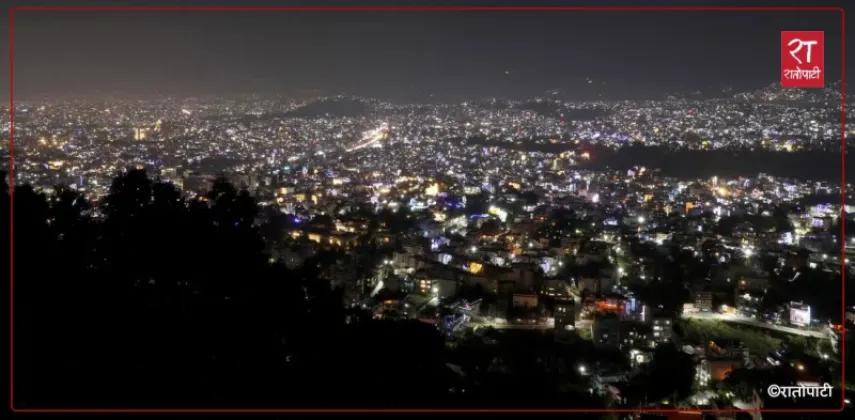
As Tihar approaches in Kathmandu, Nepali flower farmers and florists are preparing for the festival trade while worrying that imported flowers and plastic goods could undermine demand for locally grown flowers. At the same time, the Nepal Electricity Authority (NEA) is making arrangements for the festival amid challenges, bringing electricity supply into focus alongside the seasonal flower market.
Flower sellers face uncertainty ahead of Tihar
Tihar is widely associated with lights, joy and flowers, making the festival an important period for people involved in the flower trade. Farmers and florists had hoped for strong sales during the celebrations. But as the festival draws closer, their expectations are tempered by concern over the availability of imported flowers and the use of plastic goods.
The concerns affect both ends of the local trade. Farmers depend on demand for their flowers, while florists sell flowers to customers preparing for the festival. The reports do not specify the volume or origin of imported flowers, nor do they quantify how much plastic goods are affecting sales. They do, however, identify both as concerns for Nepali flower sellers at a time when they had anticipated a strong festival market.
For local producers and sellers, the issue is whether the demand associated with Tihar will translate into sales for their flowers. The festival’s connection with flowers provides a seasonal opportunity, but the concerns raised by farmers and florists show that they are not taking a strong market for granted. The available reporting does not provide details on prices, particular flower varieties or the scale of this year’s production.
NEA prepares for festival electricity needs
Electricity is another part of Tihar preparations. The NEA is preparing for the festival while facing challenges, according to a report on how the authority is managing electricity during Tihar. The festival’s lights make reliable electricity an important part of the preparations, though the information provided does not set out the authority’s specific operational measures or describe the challenges in detail.
The NEA’s preparations and the concerns in the flower trade are separate issues, but both reflect the practical demands that accompany the approach of Tihar. Flower sellers are looking toward festival demand, while the electricity authority is preparing to manage power during the celebrations. The report on the NEA’s electricity preparations focuses on the authority’s role as the festival nears.
A festival season with parallel preparations
Together, the reports offer a picture of preparations unfolding across different parts of Kathmandu’s festival economy and public services. Farmers and florists are watching the flower market, with imports and plastic goods among the issues they say are concerning. The NEA, meanwhile, is preparing for electricity needs during a festival closely associated with lights.
The details available do not establish how the flower market will perform or what specific steps the NEA will take. For now, the central concerns are clear: local flower sellers are hoping for festival sales while facing uncertainty, and the electricity authority is preparing for Tihar amid its own challenges. As the festival approaches, both the flower trade and electricity arrangements remain part of the preparations in Kathmandu.