
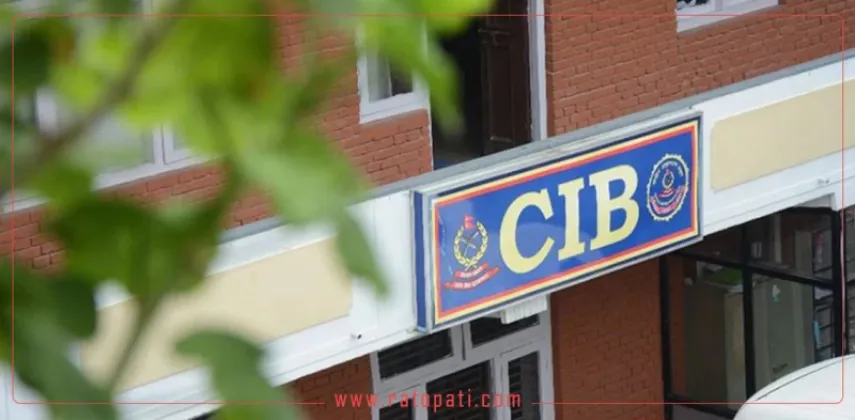
The Central Investigation Bureau (CIB) of Nepal Police on Thursday arrested two men accused of defrauding Rs 58 million by promising subsidised agricultural grants from the federal government. The suspects have been identified as 52-year-old Shreekrishna Maharjan, who also goes by the name Tilak Budhathoki, and 60-year-old Premnarayan Khanal. According to reports published by RatoPati, Nagarik News and Khabarhub, the two men allegedly lured their victims by claiming close ties with employees at various ministries based in Singha Durbar, the seat of Nepal's federal administration.
The suspects and the arrests
Police have disclosed the following details about the two men now facing fraud charges:
- Shreekrishna Maharjan, 52, who also uses the alias Tilak Budhathoki, is a resident of Tahachal in Kathmandu Metropolitan City-13.
- Premnarayan Khanal, 60, is a resident of Nakhichot in Lalitpur Metropolitan City-14.
The arrests were carried out on Thursday, with the CIB, the investigative wing of the Nepal Police that handles complex financial and organised crime cases, taking charge of the probe. The decision to assign the matter to the bureau rather than a local police unit reflects the scale of the alleged fraud, which involves a combined amount of Rs 58 million.
Maharjan's dual identity is a notable element of the case. Police listed him under both his given name and the alias Tilak Budhathoki when announcing the arrests. Aliases recorded in cases of this nature often become a focus of investigation, as they can indicate that a suspect presented himself differently to different people over the course of the alleged scheme.
How the alleged scam worked
The suspects are accused of promising to secure subsidised agricultural grants for people seeking government support. Agricultural subsidy programmes are among the most sought-after forms of state assistance in Nepal, with different tiers of government offering grants, concessional financing and cost-sharing support to promote farming and agribusiness. The promise of help in accessing such grants can therefore carry considerable weight with applicants who are unfamiliar with the bureaucratic procedures involved.
According to the case details, the two men allegedly claimed that they maintained close relationships with employees at various ministries in Singha Durbar and could use those connections to push subsidy approvals through. Singha Durbar, which houses the Prime Minister's Office and most federal ministries, is where decisions on many such grants are ultimately made, and claims of insider access there can appear especially convincing to would-be beneficiaries.
Invoking ties to ministry staff or senior officials is a recurring tactic in grant-related and commission-based frauds. Victims, often unsure how applications actually move through the bureaucracy, are persuaded to part with money in the belief that a well-connected intermediary is working on their behalf. In this case, the alleged amount that changed hands on the strength of such claims stands at Rs 58 million, a sum that is substantial by any measure and underscores the scale on which such operations can run before they come to official attention.
The complaint behind the case
The fraud case against the two men was filed on the basis of a complaint lodged by Jalim Singh Mahato. The initial reports did not specify whether Mahato was personally among those defrauded or acted on behalf of other victims, but his complaint serves as the foundation of the case now with the CIB.
Complaints from victims or their representatives are typically the starting point for investigations of this kind. Once a complaint is registered, the bureau gathers statements, examines financial documents and traces the movement of the disputed funds before preparing the case for legal action. With both suspects in custody following Thursday's arrests, investigators are expected to piece together the full picture of how the alleged deception was carried out and how the money was collected.
A familiar pattern around subsidy promises
The case adds to ongoing public concern about fraud committed in the name of government grants and subsidies. Nepal's federal, provincial and local governments run agricultural grant programmes every fiscal year, and competition for these funds is intense among farmers, cooperatives and agribusiness entrepreneurs. The gap between high demand and limited awareness of how applications are actually processed creates space for intermediaries who claim special access to decision-makers.
For genuine applicants, the case serves as a reminder that subsidy approvals follow official channels, with applications submitted to the relevant authorities and evaluated through established procedures rather than through private promises of influence. Claims that a specific person can guarantee a government grant in exchange for money warrant close scrutiny, particularly when those claims rest on alleged personal relationships inside Singha Durbar.
The investigation is ongoing, and further details, including whether more people were involved in the alleged scheme and how the Rs 58 million was collected and used, are expected to become clear as the CIB completes its probe and the case moves toward legal proceedings.


