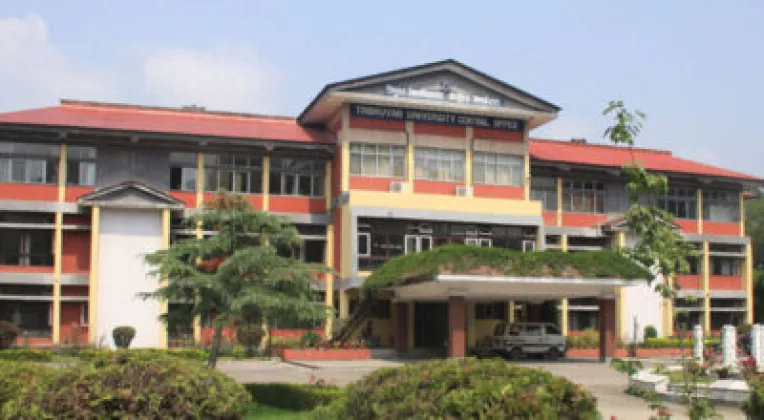
Tribhuvan University (TU) has allocated Rs 10.25 million, equal to NPR 1 crore 25 lakh, for a human resource development programme in the current fiscal year, with the funds set to provide in-service and induction training to 775 university teachers and employees. The allocation was formally endorsed at the annual meeting of the Human Resource Development and Welfare Council, organized by the university's Coordination Division on Friday. The decision puts a dedicated budget behind the professional development of the institution's teaching and administrative staff for the year, underscoring a continued institutional focus on workforce capacity at Nepal's oldest and largest university.
Training to Reach 775 Teachers and Employees
Under the approved programme, 775 of the university's teachers and employees will receive training over the course of the current fiscal year. The plan combines two distinct streams of capacity building:
- In-service training is aimed at teachers and employees who are already serving at the university, helping them refresh and upgrade their professional skills while continuing in their current roles.
- Induction training is designed for personnel entering or newly appointed to university service, familiarizing them with the institution's systems, responsibilities and standards as they take up their duties.
Covering both groups allows the programme to build capacity across the career cycle, from newcomers adjusting to their responsibilities to experienced staff keeping their skills current. The effort, also described as a manpower development programme in coverage by Ratopati, will be supported by the Rs 10.25 million allocation approved for the fiscal year.
Further details, including how the budget will be divided between the in-service and induction components and when individual training sessions will take place, were not immediately outlined in the reports published by Khabarhub and Ratopati.
Annual Council Meeting Clears the Budget
The funding received its formal approval at the annual meeting of the Human Resource Development and Welfare Council, which TU's Coordination Division organized on Friday. The council's endorsement of the Rs 10.25 million figure represents the planning step through which the university sets its human resource development spending for the fiscal year.
Holding the decision at the council's annual session indicates that the allocation forms part of the university's regular yearly cycle of planning for staff development and welfare, rather than an ad hoc measure. The approval of the training budget stands as the key outcome reported from the meeting. The Coordination Division's role in convening the session also places the division at the centre of the process through which the university's training and welfare plans are shaped and sanctioned.
Building Capacity Across the University
Human resource development programmes of this kind reflect the dependence of any large academic institution on the skills of its people. TU relies on a substantial body of teachers and employees to deliver its academic programmes and run its administration, and training of the type approved on Friday serves two broad purposes in such settings:
- For serving staff, in-service training helps them keep pace with evolving teaching methods, administrative practices and institutional requirements over the course of their careers.
- For new entrants, induction training provides the orientation needed to take up their roles within the university's structures.
The programme's placement under the Human Resource Development and Welfare Council also ties the training drive to the broader agenda of staff welfare, an area the council's mandate encompasses alongside professional development. By approving the allocation through this body, the university has linked its spending on training directly to the institutional framework that oversees both the development and the welfare of its workforce.
Implementation in the Year Ahead
With the budget sanctioned, attention now turns to implementation over the remainder of the current fiscal year. The reports available so far establish the headline figures - an allocation of Rs 10.25 million and a target of 775 trained teachers and employees - but leave open questions about the detailed schedule, venues and selection of participants.
As the programme rolls out, those operational details are expected to be settled by the university's relevant bodies. For now, Friday's decision by the Human Resource Development and Welfare Council establishes both the framework and the funding for a training initiative that is set to reach hundreds of teachers and employees across Tribhuvan University in the months ahead.