
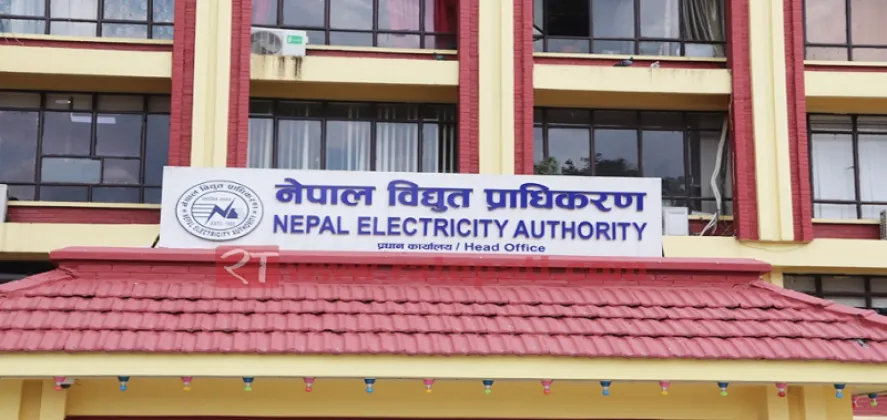
Residents of Chabahil and several other localities across Kathmandu district are preparing for a three-hour interruption in their electricity supply, after an announcement confirmed that power will remain completely shut off for a three-hour period in multiple parts of the capital. The scheduled outage, reported by Nepal Samaya, will affect Chabahil along with various other areas of the district, and consumers in the affected zones have been urged to plan their day around the temporary blackout. With the supply set to remain off for the full three-hour window, households, shops and offices that depend on a steady flow of electricity are expected to feel the disruption most acutely.
Three-hour shutdown to cover Chabahil and other areas
According to the report, the electricity supply will remain shut off for three hours, and the interruption is not limited to a single neighborhood. In addition to Chabahil, one of the capital's busiest and most recognisable localities, the cut is scheduled to extend to multiple other parts of Kathmandu district, meaning a wide band of consumers will be without power at the same time.
Chabahil sits at the heart of a densely populated stretch of the city, with a mix of residential colonies, commercial establishments, schools and small businesses packed into a compact area. An outage of this length in such a location touches nearly every kind of consumer, from families running kitchens and water pumps to shopkeepers, clinics and students preparing for examinations.
The announcement makes clear that the supply will not merely flicker or dip intermittently. It will remain shut off for the entire three-hour period, which means refrigerators, water pumps, internet routers, fans and other dependent appliances will stay offline for that stretch unless consumers have alternative arrangements such as inverters or backup batteries.
How the outage could affect homes and businesses
Even a comparatively short planned cut of three hours can create a chain of small inconveniences across a busy urban area. Water supply is often the first concern, because many households and apartment buildings in the valley depend on electric pumps to fill their tanks. Households that miss the outage window may find themselves without stored water for the rest of the day.
Businesses face their own pressures. Shops and offices that rely on computers, billing systems and internet connections may need to pause work, while establishments that store perishable goods, including dairies, pharmacies and small eateries, have to think carefully about refrigeration. For many small operators in areas like Chabahil, even a few hours without electricity can translate into lost sales and disrupted schedules.
Points to keep in mind before the cut
Consumers in the affected areas are commonly advised to take a few simple precautions ahead of any scheduled interruption:
- Charge mobile phones, power banks and laptops in advance so that communication and essential work are not interrupted.
- Store sufficient drinking water and fill household tanks before the supply goes off, especially where electric pumps are in use.
- Plan the use of refrigerators and avoid opening them repeatedly during the outage to keep food fresh for longer.
- Businesses with critical equipment, such as medical storage or server rooms, should confirm that backup power systems are charged and ready.
- Keep an eye on official notices and local updates in case the schedule is adjusted.
Planned cuts and Kathmandu's power supply
Scheduled interruptions of this kind are a routine tool of electricity distribution. Utilities typically use such windows to carry out maintenance and repair work on lines, transformers and other network equipment, and to upgrade infrastructure so that the supply remains stable over the long run. Carrying out the work during a fixed, announced period allows technicians to operate safely and gives consumers advance warning.
Kathmandu's power supply has changed markedly over the years. The city, like the rest of Nepal, once endured hours of daily load shedding, but extended blackouts have become rare in the capital following improvements in electricity generation and the strengthening of the distribution network. What residents encounter now are mostly short, announced maintenance cuts of the kind announced for Chabahil, which are disruptive for a fixed period but far more predictable than the outages of the past.
The Nepal Electricity Authority, the country's principal power utility operating distribution infrastructure across the valley, has in the past regularly appealed to consumers to bear with such temporary interruptions, noting that maintenance work ultimately improves the quality and reliability of the supply.
Staying informed as the outage approaches
For consumers, the most practical step is to confirm the exact timing of the cut in their own locality through official channels, since maintenance schedules can shift for technical or weather-related reasons. Ward offices, local distribution centres and news portals remain the most reliable sources of updated information on which areas fall within the interruption zone.
Consumers are also advised to note when the supply is due to return. If electricity has not been restored after the announced three-hour period, or if faults such as damaged lines or sparking equipment are noticed during the work, residents should report the matter to the local distribution office rather than attempting to handle electrical installations themselves.
The three-hour interruption in Chabahil and other parts of Kathmandu district is, in the end, a brief but telling reminder of how completely daily life in the capital runs on electricity. Consumers with the luxury of advance notice can blunt most of the inconvenience by preparing early, and the announced window gives them exactly that opportunity. Further details on the affected localities and the outage schedule can be found in the original report published by Nepal Samaya.


