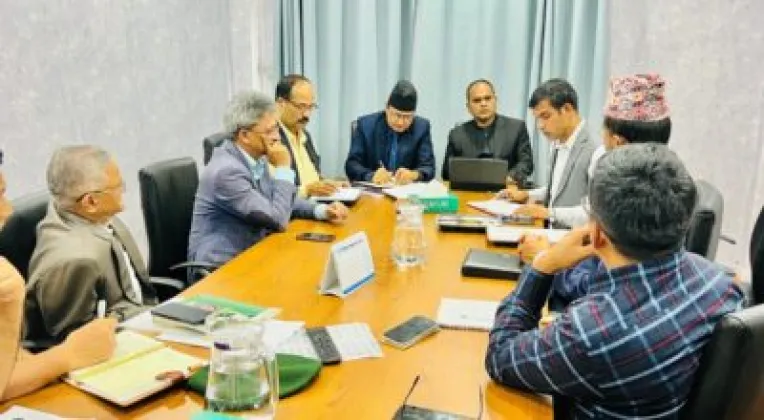
Stakeholders urged the government to incorporate special-purpose schools into the Education Act and provide for their autonomous and effective operation during a consultation organised by the Ministry of Education and Sports in Kathmandu on October 12, 2026. The discussion brought together officials and representatives of schools established for specific purposes as part of the process of drafting the education law.
Call for recognition in the education law
Participants recommended that the draft law expressly recognise special-purpose schools rather than leave their place in the education system unclear. Their central request was for the Act to include provisions tailored to these institutions and to allow them to operate with the autonomy needed to fulfil their purposes effectively.
The recommendations were made during a consultation, indicating that the government is seeking input from people connected with the schools while the legislation is being prepared. The discussion focused on how special-purpose schools should be addressed in the proposed law. Stakeholders called for their inclusion as part of the drafting process, not simply as an issue to be considered after the law is completed.
The meeting involved ministry officials and representatives of schools established for specific purposes. Their participation brought together those involved in preparing the legislation and those representing institutions that would be covered by it. The consultation provided a forum for the stakeholders to present their recommendations directly to the ministry as it works on the education law.
Autonomy and effective operation
Alongside inclusion in the Act, stakeholders stressed the need for provisions that would allow the schools to function autonomously and effectively. Their recommendation linked legal recognition with the ability to operate: they called for the law to do more than acknowledge the schools, and to provide a framework that supports their independent functioning.
The consultation summary did not set out the specific provisions proposed or detail what form autonomy should take. It also did not identify particular categories of special-purpose schools or list operational issues raised by participants. The request, as reported, was broader: the legislation should recognise these schools and enable them to carry out their work effectively.
Recommendations offered during drafting
The consultation took place while the education law was being drafted, giving stakeholders an opportunity to submit views before the process is complete. Their recommendations now form part of the discussion around how the proposed Act should treat schools created for specific purposes. The call for inclusion signals that participants want the law to account for these institutions within its framework and to address their need for autonomy.
The recommendations do not, by themselves, establish that the proposed Act will contain the requested provisions. The consultation was a platform for discussion, and the reported outcome was a call by stakeholders for inclusion and operational autonomy. The ministry’s next steps, the wording of any proposed clause and whether the recommendations will be adopted were not specified in the information available about the meeting.
The discussion in Kathmandu therefore centred on two connected requests: that special-purpose schools be incorporated into the Education Act and that the law allow them to operate autonomously and effectively. As the drafting process continues, those proposals will be part of the input put forward by officials and school representatives during the ministry-organised consultation.