
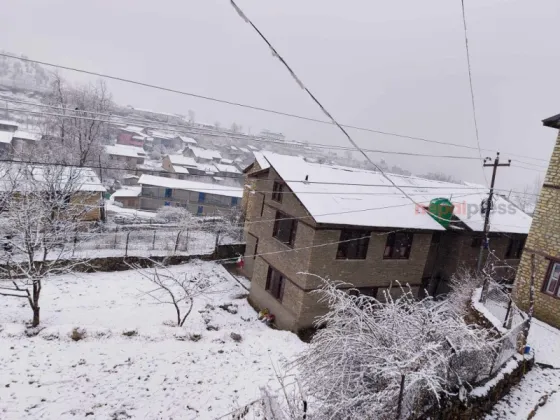
Snowfall has hit the high-altitude areas of five districts in Nepal's upper Karnali region, disrupting normal life in some of the country's most remote mountain settlements. According to reports published by Nepal Press and Khabarhub on Saturday, October 31, fresh snow blanketed the highlands of Humla, Mugu, Jumla, Dolpa and Kalikot districts, where falling temperatures and snow-covered ground have made daily routines increasingly difficult for residents of the mountain villages.
Snowfall across the upper Karnali highlands
The reports identified the affected areas as the highest inhabited local units of their respective districts, stretching along the trans-Himalayan belt that runs along Nepal's northern frontier. Snow fell in the following local units:
- Dolpa: She Phoksundo, Dolpo Buddha and Chharka Tangsong rural municipalities
- Humla: Namkha rural municipality
- Mugu: Mugum Karmarong rural municipality
- Jumla: Patarasi, Tatopani and Kanakasundari rural municipalities
- Kalikot: Tilagufa municipality
Taken together, these local units cover long stretches of high valleys, ridgelines and alpine pastures, where settlements sit at elevations that welcome snow almost as soon as the cold season begins. The list of affected areas shows how widely the latest spell of wintry weather was spread, touching districts in both the far western and mid-western reaches of Karnali Province.
Daily life thrown off balance
According to the reports, the snowfall has disrupted normal life across the mountainous areas of all five districts. While the initial reports did not carry detailed assessments of the disruption, life in these settlements is closely tied to the outdoors, and snow at this time of year typically makes even simple routines harder to manage.
In the high villages of Dolpa, Humla and Mugu, households largely depend on livestock herding, subsistence farming and the collection of firewood and fodder, activities that all become difficult once snow settles on trails and pastures. Movement between villages, which in much of upper Karnali still relies on footpaths and mule trails rather than motorable roads, grows slower and more hazardous when the ground is white and temperatures plunge after sunset. For schoolchildren, the elderly and those with limited access to health facilities, cold spells in these districts add a further layer of hardship during the long winter months, when many remote communities are cut off for extended periods.
A vast and remote landscape
Upper Karnali is among the most geographically challenging parts of Nepal. Dolpa is the largest district in the country by area and is home to Phoksundo Lake and the Shey Phoksundo National Park, one of Nepal's most celebrated high-altitude protected areas. She Phoksundo rural municipality, one of the three Dolpa units where snow fell, takes its name from this celebrated lake region on the edge of the Tibetan plateau, while Dolpo Buddha and Chharka Tangsong are among the most isolated trans-Himalayan settlements in the district.
Humla is regarded as the northernmost district of Nepal, and Namkha rural municipality, which reported snowfall, includes settlements that lie close to the northern border. Across the district line in Mugu, Mugum Karmarong rural municipality covers the high country of the district's north, in a region best known for Rara Lake, Nepal's largest lake. In Jumla, the snow fell in Patarasi, Tatopani and Kanakasundari rural municipalities, while in Kalikot the affected area was Tilagufa municipality, which includes some of the higher elevations of the district.
Winter sets in over the Trans-Himalaya
Late October marks the turn of the season across Nepal's northern belt. While the Tarai and the middle hills are only beginning to feel a chill, the high settlements of Karnali typically enter winter weeks earlier, and snowfall in Dolpa, Humla and neighboring districts at this time of year is a regular feature of the local calendar rather than an anomaly. The snow also carries significance beyond the immediate disruption, as winter accumulation in the trans-Himalayan rain-shadow region feeds the springs and streams that mountain communities depend on through the dry months.
The timing also coincides with the autumn travel season, when trekkers and pilgrims make their way toward destinations such as the Phoksundo Lake area and the high trails of upper Humla. Fresh snow can leave passes and foot trails slippery, adding to the challenges of travel through the affected districts in the days ahead.
As of Saturday, the reports did not mention any casualties or major damage linked to the snowfall, but they made clear that daily life in the affected highlands has taken a hit. With the region's long winter only beginning, residents of the upper Karnali highlands are likely to see more snow in the weeks ahead, keeping attention fixed on the five districts where the season has now firmly arrived.


