
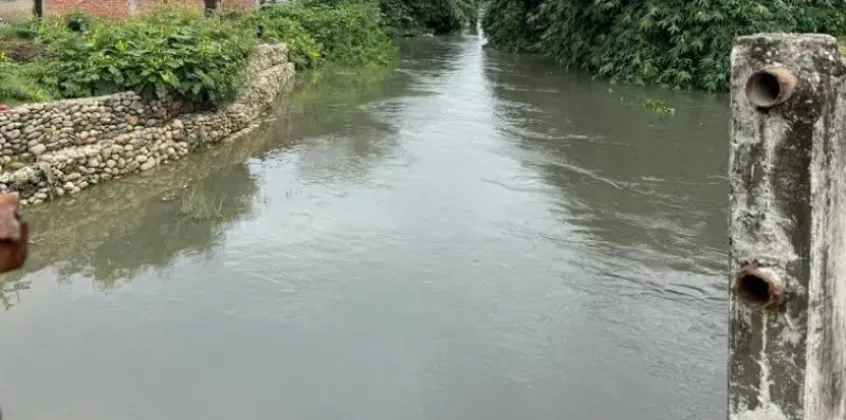
Authorities in Birgunj have intensified the cleanup of the Sirsiya River ahead of the Chhath festival, pairing an on-the-ground sanitation drive with stricter controls on industrial pollution so that devotees arriving at the riverbank for worship and offerings this year find a clean environment. The campaign places the river, which flows through the heart of one of Nepal's busiest industrial cities, at the centre of a coordinated effort by the Department of Industry and the Ministry of Industry, Commerce and Supplies in the run-up to the festival. As reported by Rato Pati and News of Nepal, the drive has been launched specifically with Chhath in mind, when large numbers of devotees gather along the Sirsiya's banks to offer worship.
Industries Warned Against Releasing Untreated Wastewater
A central element of the intensified campaign is a directive from the Department of Industry ordering industries not to discharge untreated wastewater into the Sirsiya River. The instruction speaks directly to the industrial effluent that has been a key concern for the river's water quality, particularly given Birgunj's profile as a major hub of factories and cross-border trade in Madhesh Province.
To back the directive with enforcement, the department has announced joint monitoring of industrial units. Under this arrangement, oversight of what factories release into the river will be carried out jointly, giving the cleanup drive a mechanism to verify compliance rather than relying on assurances alone. The message to industries in and around the city is that their wastewater practices are being watched closely during this sensitive period leading up to the festival.
Ministry Places Cleanup and Environmental Protection on Its Priority List
At the policy level, the Ministry of Industry, Commerce and Supplies has prioritised the cleanup of the Sirsiya, pollution control and broader environmental protection efforts. The ministry's involvement signals that the campaign is not limited to a single agency or a one-off sweep of the riverbank, but is being treated as a matter requiring attention across the government bodies responsible for industry and the environment.
The combination of the department's directive to industries and the ministry's stated priorities creates a two-track approach: one that addresses the sources of pollution entering the river, and another that focuses on protecting and restoring the river environment itself. Officials hope that acting on both fronts at once will produce a visible improvement along the river before devotees begin arriving for the festival.
A Clean Riverbank Matters Deeply for Chhath Devotees
Chhath is one of the most significant festivals observed in Nepal's southern plains, and Birgunj's communities mark it with particular devotion. During the festival, devotees observe rigorous fasts and offer worship to the sun, gathering at riverbanks, ponds and other water bodies with offerings of fruit and traditional foods. Because worshippers stand at the water's edge, and often in the water, while making their offerings, the physical condition of the river and its banks shapes the experience of worship in a very direct way.
This is why the state of the Sirsiya has become such a pressing concern in the days before Chhath. A polluted river carrying untreated industrial and urban waste not only diminishes the dignity of the rituals performed on its banks but also raises health concerns for the devotees who come into close contact with the water. Ensuring that the riverbank is clean, and that fresh pollution is kept out of the river during the festival period, is the driving aim of the intensified campaign.
For the devotees of Birgunj and the surrounding areas who regard the Sirsiya as the natural focal point of their Chhath observances, the cleanup drive represents an effort by the authorities to match the condition of the riverbank to the reverence with which the festival is observed.
Monitoring to Continue as Festival Approaches
While the immediate impetus for the drive is the approaching festival, the arrangements now in place, including the directive to industries and the launch of joint monitoring, point to a sustained focus on pollution control along the river. The Department of Industry's decision to move from warning to active monitoring suggests that compliance will be checked in the days when it matters most for the river's condition.
With the Ministry of Industry, Commerce and Supplies prioritising cleanup, pollution control and environmental protection, and field-level enforcement now operating jointly, the authorities have framed the Sirsiya campaign as both a festival-time necessity and a statement about the river's broader importance to Birgunj. For the devotees who will stand on its banks with their offerings when Chhath arrives, the measure of success will be visible in the water and along the riverbank itself.


