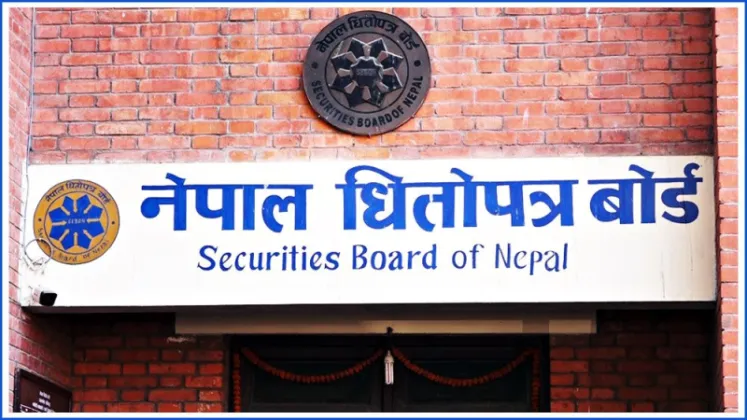
Kathmandu. The Securities Board of Nepal (SEBON) has moved a decisive step closer to allowing same-day share trading in the country's stock market, making public a preliminary draft of the 'Interday Securities Trading Regulations, 2083' on Thursday. The proposed rules would, for the first time, permit investors to buy shares in the morning and sell them before the market closes on the same day, or to sell shares and repurchase them before the end of the session. Alongside the draft, the market regulator has called on stakeholders to submit their feedback and suggestions by Mangsir 4, according to a report by RatoPati.
What the Draft Proposes
The draft regulation centres on a simple but far-reaching change: allowing a securities transaction to be opened and closed within a single trading day. Under the framework set out in the proposal, investors would be able to:
-
Buy and sell within one session: purchase shares in the morning and offload them before the market closes on the same day.
-
Sell and rebuy the same day: sell shares and repurchase them before trading ends, without having to wait for a subsequent session.
The document has been released as a preliminary draft, meaning its provisions are not yet final and remain open to revision. The consultation process now under way gives market participants an opportunity to comment on the proposed rules before they are finalised, and any element of the draft could be amended, expanded or dropped in light of the responses SEBON receives.
A Departure from Current Practice
The significance of the proposal lies in what it would change. Until now, investors in Nepal's share market have not had the facility to sell shares on the same day they buy them, meaning that a purchase made in one session cannot be unwound until a later stage. That structure ties up investors' capital and delays their ability to respond to price movements that occur after a trade is executed.
If implemented in its current form, the regulation would remove that constraint and bring day-to-day trading practice in Nepal closer to that of markets where intraday trading is a routine feature. In such markets, positions are commonly opened and closed within a single session, allowing traders to act on short-term price movements rather than having to wait until a following day.
The publication of the draft also signals the regulator's intent to formally introduce the facility through a dedicated legal instrument, rather than as an informal practice, by framing the rules under a named regulation dated 2083.
Consultation Open Until Mangsir 4
SEBON released the draft on Thursday and has set a clear deadline for responses: stakeholders have until Mangsir 4 to send in their feedback and suggestions. The window gives brokers, investors and other market participants a defined period to study the proposal and flag any concerns or recommended changes.
Because the draft is preliminary, the version published this week should be read as a starting point for discussion rather than a finished set of rules. Once the feedback period closes, the regulator is expected to review the submissions before the provisions take their final shape. The design of the final regulations, including any safeguards, will determine how the facility operates in practice.
What Intraday Trading Could Mean for the Market
Intraday trading is a standard feature of many securities markets around the world, and its introduction in Nepal carries several potential implications for investors:
-
Greater flexibility: Investors would be able to respond to price movements within the same day, rather than waiting for a later session to act.
-
Quicker correction of mistakes: If a trader buys the wrong scrip or an unintended quantity, a same-day sale facility would, in principle, allow the position to be corrected before the market closes.
-
Higher turnover: Shares that can change hands more than once in a session could see increased trading activity, which may contribute to liquidity in the market.
At the same time, same-day trading facilities are broadly associated with short-term and speculative activity, and regulators introducing them typically weigh that flexibility against the risk of sharper price swings. How these trade-offs are addressed in the final version of the 'Interday Securities Trading Regulations, 2083' will be closely watched by market participants as the consultation proceeds.
With the draft now public and the feedback clock running, attention turns to how stakeholders respond in the days up to Mangsir 4. If the rules are finalised along the lines proposed, investors in Nepal's share market would gain the ability to complete a full buy-and-sell cycle within a single trading day for the first time, marking a notable change to the way the country's secondary market operates.