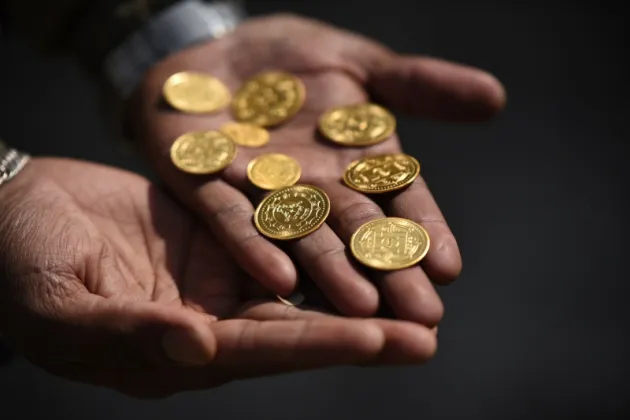
Nepal Rastra Bank, the central bank of Nepal, has begun selling gold and silver coins for Dhanteras, with the sale opening from today, according to reports. The move is aimed at meeting the demand for precious metals that traditionally accompanies the festival, and it continues the central bank's ongoing practice of issuing coins during the festive season. The development was reported by Nepal Lead, which noted that the coins went on sale from today.
Dhanteras and the tradition of buying precious metals
Dhanteras is observed during the festive period that leads into the Tihar and Deepawali celebrations, and it is widely regarded as an auspicious occasion for purchasing gold, silver and other valuables. For many households and businesses, buying precious metal on this day is believed to bring prosperity and good fortune, a tradition that has made Dhanteras one of the most anticipated moments of the year for purchases of gold and silver in various forms.
A seasonal rise in demand
That tradition translates into a noticeable seasonal rise in demand. Buyers typically look for coins, jewellery and other forms of precious metal around the festival, and institutions connected to the gold and silver trade often align their offerings with the occasion. It is against this backdrop that Nepal Rastra Bank's decision to put gold and silver coins on sale from today should be seen: the central bank's move, as reported, is aimed at meeting the demand generated by the festival.
Gold and silver occupy a special place in Nepal's festive and cultural calendar. Beyond their monetary value, the metals are closely tied to rituals, gifting and household savings, and purchases made around Dhanteras are often framed as investments in luck as much as in metal. The days around the festival are therefore closely watched by buyers, sellers and observers of the precious metals market alike.
Nepal Rastra Bank's festive-season coin sale
The sale that opened from today is not a one-off initiative. According to reports, it is part of the bank's ongoing practice of issuing coins during the festive season, a pattern through which the central bank has repeatedly made coins available to the public at times of high cultural demand. By timing the release with Dhanteras, the bank has once again aligned its issuing activity with the point in the calendar when interest in gold and silver peaks.
Why centrally issued coins matter
As the institution responsible for the country's currency management, Nepal Rastra Bank occupies a unique position when it comes to coins. Coins sold through the central bank carry the backing of the authority that manages Nepal's currency, and centrally issued coins are generally treated as a trusted option by buyers who want assurance about what they are purchasing. That trust is one reason the bank's festive-season coin sales tend to draw attention when they open.
For buyers, coins issued for the festive season typically serve several purposes at once. They can be kept as savings in the form of precious metal, exchanged as gifts during the festival, or used in the rituals and celebrations connected with the occasion. The combination of cultural significance and intrinsic value in gold and silver makes coins a natural fit for the Dhanteras tradition of buying metal.
What the reports confirm, and what remains unclear
Based on the information available, the key facts of the announcement are straightforward:
- Nepal Rastra Bank has started selling gold and silver coins for Dhanteras.
- The coins went on sale from today, according to reports.
- The central bank's move is aimed at meeting the demand for the festival.
- The sale is part of the bank's ongoing practice of issuing coins during the festive season.
Beyond these points, the initial report did not disclose finer details of the sale. Information such as the pricing of the coins, the weight options on offer, the total quantity made available, and the channels through which buyers can purchase them had not been spelled out in the reports published so far. Those specifics would need to come from further communication by the central bank or from follow-up reporting.
The absence of those details does not change the core of the announcement. What has been made clear is that the central bank has moved to put gold and silver coins on the market in time for Dhanteras, and that the decision is explicitly tied to meeting festival demand.
A timely move for the festival season
Timing is the essential element of the announcement. Dhanteras purchasing is concentrated in a short window, and the decision to open the sale from today places the coins on the market within that window. For the central bank, the sale is a continuation of a familiar seasonal role; for buyers, it is an additional avenue for the festival's traditional purchases of gold and silver.
As the festival season progresses, the sale of gold and silver coins by Nepal Rastra Bank stands as the institution's response to one of the most consistent patterns in Nepal's festive economy: the urge to buy precious metal when Dhanteras arrives. With the coins on sale from today, the central bank has once again aligned its festive-season issuing practice with the demand that the occasion brings.