
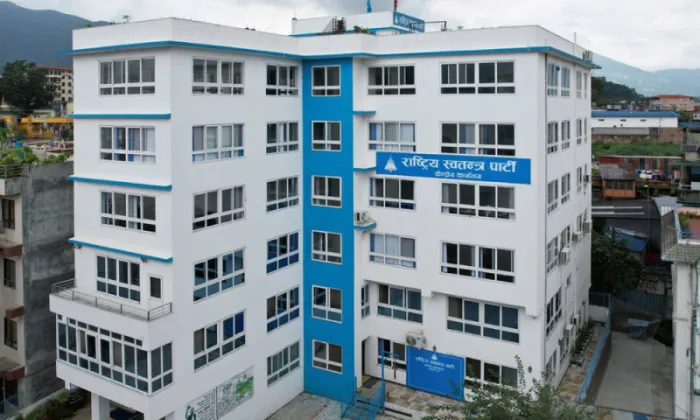
The Rastriya Swatantra Party (RSP) has formed seven subcommittees to implement and coordinate its candidate selection framework for the upcoming local level elections, moving its preparations into an operational phase. Party spokesperson Jagadish Kharel announced the coordinators of the newly formed panels through a statement, while the party has simultaneously opened applications for the posts of ward chairperson and ward member in metropolitan and sub-metropolitan cities, according to a report by Nagarik News.
Seven panels to steer the selection process
According to the statement issued by Kharel, the seven subcommittees have been constituted to put the party's candidate selection framework into practice and to coordinate its execution across the different stages of the process. Each panel carries a distinct mandate, covering areas that range from direct engagement with aspiring candidates to the management of complaints and the promotion of representation within the party's ranks.
The spokesperson's statement named the following coordinators:
- Kabindra Burlakoti will coordinate the candidate club, the panel charged with working on the party's candidacies.
- Sushant Vaidik will lead the subcommittee assigned to technology.
- Janak Singh Dhami will coordinate the panel handling grievances.
- Dr. Tosima Karki will head the subcommittee responsible for inclusion and women's participation.
Coordinators for the remaining subcommittees were also announced in the statement, completing the seven-panel structure that will now carry the responsibility of identifying and vetting candidates for the local polls. With this move, the responsibility for candidate selection, which until now rested on the framework adopted by the party, passes to dedicated teams with clearly divided portfolios.
What the individual mandates suggest
The division of labour among the panels points to the different challenges the party anticipates as it screens aspirants for thousands of positions across the country's local units. The candidate club under Burlakoti sits at the centre of that effort, since it is the committee most directly connected to the individuals who will seek the party's ticket.
The technology portfolio assigned to Vaidik suggests the party intends to bring digital tools into its selection process, an area where structured record-keeping and communication with a large volume of applicants will be essential. The grievance coordination panel under Dhami is expected to serve as the channel through which complaints and internal disputes arising from the selection exercise are received and addressed, a function that becomes critical once rival aspirants begin competing for the same tickets.
The inclusion and women's participation subcommittee led by Dr. Karki reflects a parallel commitment to ensure that women and underrepresented groups are part of the party's candidate slate. Local level elections are fought ward by ward, and the composition of ward-level tickets often determines how visible women's representation is in local government, making this panel's mandate a significant part of the overall framework.
Applications open for big-city ward posts
In a parallel development, the party has opened applications for the positions of ward chairperson and ward member in metropolitan and sub-metropolitan cities, as reported by NepalPress. Metropolitan and sub-metropolitan cities sit at the top of Nepal's urban local government structure, and contests for ward chairperson and ward member posts in these cities typically attract intense interest from aspirants.
By opening applications for these positions first, the party has effectively begun the practical phase of its candidate search in the urban centres where competition for its tickets is expected to be strongest. The application call gives aspiring candidates a formal route into the selection process, and their candidacies will now flow through the framework that the seven subcommittees have been formed to administer.
A structured, framework-driven approach
The sequencing of the party's moves is notable. Rather than announcing candidates ad hoc, the RSP has first put in place a selection framework, then constituted seven subcommittees to implement it, and only then opened the door to applications from aspirants. This order suggests the party wants its candidate selection to run through defined institutional channels rather than informal negotiations.
The presence of a dedicated grievance panel indicates that the party is preparing for the internal disputes that inevitably arise when multiple members and supporters seek a limited number of tickets. Similarly, the creation of a separate subcommittee for inclusion and women's participation signals that representation goals have been built into the selection framework itself, rather than being left to chance at the stage when final candidates are chosen.
The technology subcommittee's role also fits this institutional picture. A party processing applications for ward chairperson and ward member posts across multiple metropolitan and sub-metropolitan cities must track a considerable volume of information, and a panel dedicated to technology implies the process will be centrally documented.
With the subcommittees in place and applications now being accepted for the top-tier urban local units, the RSP has shifted from planning to execution ahead of the local level elections. Further announcements on the remaining positions, additional application windows and the screening of aspirants are expected to follow as the work of the seven panels gets under way, and the coordinators named by spokesperson Jagadish Kharel will now be responsible for delivering a selection process that matches the framework the party has set for itself.


