
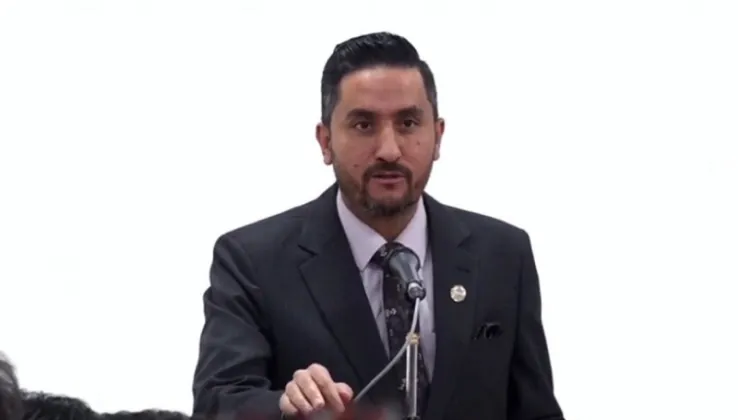
The Rastriya Swatantra Party (RSP) has strongly condemned the arrest of journalists from various media outlets who were taken into custody from their newsrooms over news reports they had written, demanding their release and a formal clarification from the government. RSP spokesperson Jagadish Kharel said arresting journalists on the basis of their reporting goes against the party's policy and principles and violates the constitution. The party's objection came amid reports that police were also searching for other journalists, and it quickly drew support from other major political parties, including the Rastriya Prajatantra Party (RPP), turning the treatment of the press into a fresh point of political contention in Nepal.
Arresting journalists against party policy and principles, says RSP
Speaking out after the detentions became known, Kharel set out the party's position in unambiguous terms. According to a report by RatoPati, the RSP spokesperson said that arresting journalists based on news writing is against the party's policy and principles. The statement places the RSP squarely against the police action and signals that the party views the detentions as an attack on the basic function of the press.
Kharel did not stop at party policy. He also framed the arrests as a violation of the constitution, a charge that strikes at the legal foundation of any detention of journalists for their published work. As Nagarik News reported, the party said arresting journalists goes against its policies and principles, and it has formally asked the government to clarify the matter. The demand for clarification is significant, as the RSP is seeking not only the freedom of the detained journalists but also an official explanation of why reporters were taken into custody in the first place.
The key elements of the case, and the party's response to them, can be summarised as follows:
- Journalists from various media outlets were taken into custody from their newsrooms over stories they had written
- Police are also searching for other journalists, extending the action beyond those already detained
- The RSP says arresting journalists for their reporting violates the constitution
- The party has demanded that the government clarify the circumstances of the arrests
Chief whip decries police conduct
The criticism did not come from the spokesperson alone. RSP chief whip Prakash Chandra Pariyar also objected to the police conduct, calling for an end to such practices. His intervention indicates that concern over the detentions extends across the party's leadership, including its parliamentary wing, rather than resting with a single office bearer.
Pariyar's remarks add weight to the objections first voiced by Kharel. Taken together, the two statements underline the party's core argument: that the detentions were carried out over written news reports, that journalists were picked up from their own newsrooms, and that police were continuing to look for other reporters. In the RSP's assessment, this pattern amounts to state action directed at the press for carrying out its work, something the party insists cannot be reconciled with the constitution.
Other major parties join the criticism
The RSP has not stood alone in its response. Other major parties, including the Rastriya Prajatantra Party (RPP), joined the criticism of the arrests and the pressure on journalists. RPP spokesperson Mohan Shrestha condemned both the pressure and the detentions, according to Khabarhub, aligning his party with the objections raised by the RSP.
The emergence of a cross-party response gives the issue additional political weight. What began as an objection from one party has become a shared position among several of Nepal's major political forces, all of them questioning the detention of journalists over their reporting. For the government, the accumulating criticism translates into a direct request: explain why the journalists were arrested, and account for the reported searches still under way for others.
As things stand, the RSP's demands remain on the table: the release of the detained journalists, a clarification from the government, and an end to the practice of arresting reporters over the news they write. The party has framed the issue in constitutional terms through its spokesperson, while its chief whip has pressed for the conduct to stop. With the RPP and other major parties now adding their voices, the question of why journalists were taken from their newsrooms over stories they had written awaits the government's answer.


