
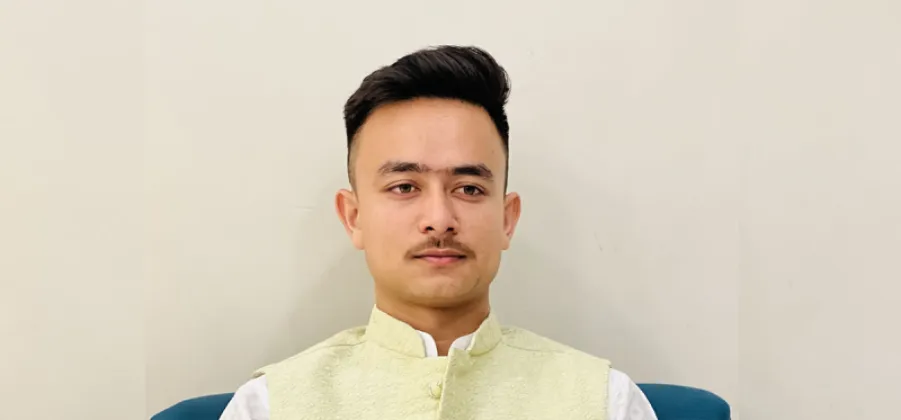
Gen Z activist Ravi Kiran Hamal condemned the arrest of a journalist after police were allowed to enter a media house in Nepal, describing the move as an extreme form of authoritarianism in comments reported on October 30, 2026. Hamal warned that intimidating journalists cannot suppress the truth and called on the government to immediately stop interfering with press freedom. He also urged citizens to speak out when democratic values, freedom of expression and the independence of the press are under attack.
Hamal’s condemnation of the arrest
Hamal’s criticism focused on both the journalist’s arrest and the circumstances described in reports: police entering a media house before the arrest. He characterized the use of police action in a media organization as an especially severe form of authoritarian conduct. His objection, as reported, was not limited to the arrest of one journalist. It also challenged the presence of law enforcement inside a media house in connection with the incident.
The activist’s remarks were reported by Nagarik News and Nepal Press. The reports describe Hamal’s response to the arrest, but the information provided does not identify the journalist, the media house, the grounds for the arrest or the police agency involved. Those details have not been included here.
Warning against intimidation of the press
Hamal warned that fear directed at journalists cannot capture or imprison the truth. His statement framed the arrest as an issue with consequences beyond the individual case: intimidation of the people who report and communicate information, he argued, cannot make the truth disappear. The warning places freedom of the press and freedom of expression at the center of his response.
His remarks also draw a distinction between taking action against a journalist and silencing what the journalist or media organization may report. Hamal’s stated position is that using intimidation against the press is not a way to contain the truth. The reports do not provide further details about the journalist’s work or the subject of any reporting, so the specific context behind the arrest remains unclear from the available information.
Call for government action and public vigilance
Hamal demanded that the government immediately stop interfering in press freedom. The call was directed at the government, which he urged to end what he described as interference. His statement did not, in the available reports, set out a proposed investigation or a specific legal remedy. It made an immediate end to interference the central demand.
He also appealed to citizens not to remain silent when democratic values, press freedom and freedom of expression come under attack. By calling for public vigilance as well as government action, Hamal presented the issue as one that concerns the wider public, not only journalists or media organizations. His appeal asks citizens to respond when freedoms that support open expression and reporting are threatened.
The reports contain Hamal’s condemnation and demands but do not provide a response from the government, police or the media house. They also do not establish what happened before the arrest or what followed it. The central message attributed to Hamal is clear: the government should stop interfering with press freedom, and citizens should not accept silence when democratic values and the freedom to express and report are challenged.


