
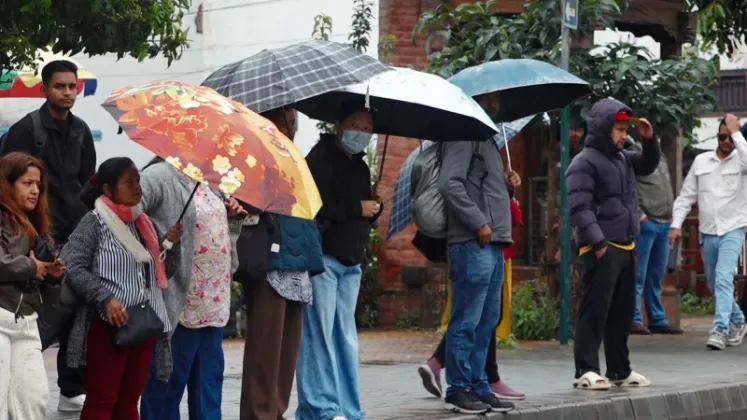
Heavy rainfall disrupted daily life across Kathmandu, according to news reports published on October 30, 2026. The rain affected normal activities across the city, with the coverage pointing to problems related to infrastructure and the environment. Nepal Samaya and Nepal Views both carried accounts of the disruption, and the story was also covered by Thahakhabar. Neither of the available reports recorded any casualties or specific damage figures, and a detailed assessment of how far the disruption extended was not provided.
A City Where Normal Life Was Affected
Nepal Views reported the event under a headline that described the situation plainly: rain affects normal life in Kathmandu. The Nepal Views report described a capital where routine activity had been disturbed by the downpour, while Thahakhabar published its own account of the same day. Nepal Samaya's report, cited alongside these stories, likewise described heavy rainfall that interfered with the city's usual rhythm.
The common thread across the reports is that the rainfall was heavy enough to matter. In a city where much of daily life unfolds on the streets, in open markets and along busy commuter routes, a sustained downpour can slow movement and force people to rearrange their days. The reports did not specify which neighborhoods were most affected or how long the rain lasted, but they agreed on the central point: normal life in the capital was interrupted.
The confirmed details from the available coverage can be summarized as follows:
- Heavy rainfall affected normal activities across Kathmandu.
- The disruption involved infrastructure and environmental problems, though specifics were not provided.
- No casualties were reported in the available articles.
- No damage figures were released at the time of reporting.
- The reports were published on October 30, 2026.
Infrastructure and Environmental Strain
What distinguishes this story from a routine weather note is the framing used by the outlets, which connected the disruption to problems related to infrastructure and the environment. The articles did not itemize individual incidents, and no figures on damage accompanied the coverage. The language nonetheless indicates that the day's difficulties went beyond personal inconvenience and touched systems the capital depends on every day.
Heavy rainfall in a densely built urban area places immediate pressure on drainage networks and road surfaces, and water that cannot drain quickly tends to pool on streets, complicating travel for pedestrians and vehicles alike. Environmental effects of prolonged rain can also take longer to assess than the immediate disruption to movement. The reports' reference to infrastructure and the environment suggests the disruption was felt on both fronts, even though the precise nature of the problems was not spelled out in the available coverage.
No Casualties or Damage Figures
Conspicuously absent from the coverage is any mention of deaths, injuries or quantified damage. That absence suggests that, at the time the articles were filed, the rainfall had not produced confirmed harm to people or property, or that no such harm had yet been verified. Early weather coverage often emphasizes immediate effects on movement and daily routine, while any assessment of damage tends to follow later.
For readers in the capital, the practical picture is one of disruption rather than emergency. The event was newsworthy enough to draw coverage from multiple outlets on the same day, but the available information does not point to a major incident. A fuller account, including the extent of infrastructure problems and any official response, was not part of the initial reporting and would depend on follow-up coverage.
Post-Monsoon Context and What Comes Next
The timing of the rainfall adds context that the reports themselves did not explore. Nepal's monsoon season generally runs from June through September, and October is typically one of the drier, clearer months in the Kathmandu Valley, a stretch favored for festivals, trekking and outdoor gatherings. Rainfall heavy enough to disrupt daily life in late October therefore falls outside the pattern most residents plan around during autumn.
Out-of-season showers can catch people less prepared than they would be during the monsoon months, when rain gear is routine. The available reports did not address meteorological causes for the rainfall, and no forecast information appeared in the coverage. What the episode underlines is how sensitive the capital's daily routines remain to the weather at any time of year.
The reports appeared on October 30, 2026, and moved through Nepali media quickly enough to suggest the disruption was felt widely. Readers can follow the original coverage through Nepal Views and Thahakhabar, with Nepal Samaya's report also cited in aggregated coverage. As of the available reporting, municipal authorities had not issued public statements, and questions about the duration of the rainfall, the worst-affected areas and any remedial measures remained unanswered.
For now, the picture is of an ordinary day in Kathmandu made difficult by rain: routines interrupted, infrastructure and the environment identified as points of strain, and residents adjusting to conditions the autumn calendar does not usually bring. Further details on the extent of the disruption were not provided in the initial reports, and any fuller accounting will depend on follow-up coverage in the days ahead.


