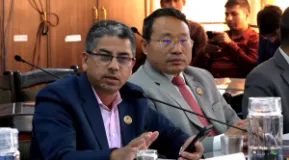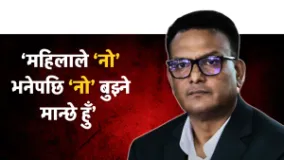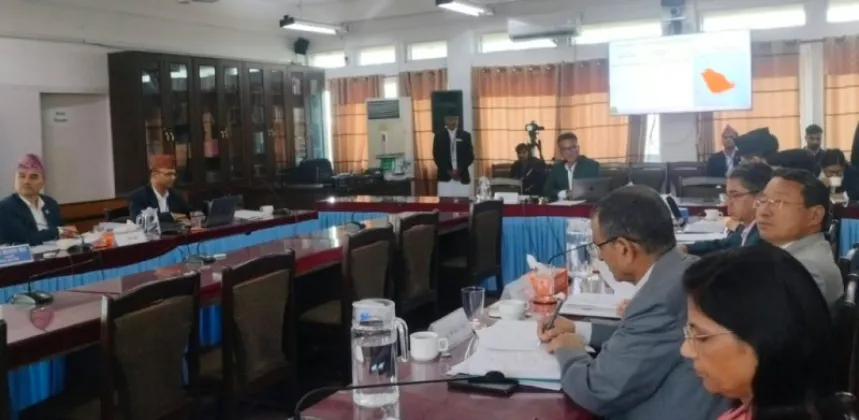
Giribahadur Sunar, Nepal’s proposed resident ambassador to Saudi Arabia, denied allegations of violence against women when he appeared before the Parliamentary Hearing Committee in Kathmandu on October 14, while pledging to expand consular services and prioritise the safety and welfare of Nepali workers in the Gulf country. During the hearing, lawmaker Madhukumar Chaulagain referred to complaints against Sunar, including allegations of domestic violence. Sunar rejected the accusations and said he had raised public awareness against violence against women.
Allegations raised at the parliamentary hearing
The questions about complaints against Sunar placed scrutiny of his conduct alongside his proposed diplomatic responsibilities. Chaulagain referred to several complaints, including claims of domestic violence. The allegations were raised during the committee hearing, but the information provided does not establish that they have been substantiated. Sunar denied the claims, saying his record included efforts to create awareness against violence rather than involvement in such violence.
The exchange made the hearing a forum for both personal accountability questions and discussion of the work Sunar would undertake if appointed. The committee heard his response as it considered his proposed role as Nepal’s resident ambassador to Saudi Arabia. No decision on the nomination is indicated in the information available, and Sunar’s appearance should not be taken as confirmation that the appointment has been approved.
The allegations are serious, but they remain allegations in the account of the hearing. Sunar’s denial and his stated record of awareness-raising are his response to the concerns raised. The available details do not describe the complaints individually, identify their outcomes or provide further information about any investigation. Keeping those points distinct is important when reporting on the committee’s questions and the proposed appointment.
Plans to expand consular services
Sunar also outlined measures he said would improve support for Nepali workers in Saudi Arabia. His proposals include regular mobile consular camps in the country’s eastern, southern and northern regions. He also said he would pursue initiatives to digitise consular services. The commitments point to two approaches in his proposed programme: taking services to Nepali communities in different parts of Saudi Arabia and using digital services to make consular support more accessible.
The mobile camps would be held regularly, according to his pledge, with coverage planned for the eastern, southern and northern regions. The proposal identifies the broad areas where he intends to extend consular outreach, though the information available does not specify a timetable, locations within those regions or the services each camp would provide. Sunar’s appearance before the committee set out the intention to expand access, rather than a detailed implementation schedule.
Digitising consular services was another part of the plan. Sunar said he would work on initiatives to move services online, but the details of those initiatives were not provided. His pledge did not specify which services would be digitised or when changes might be introduced. Together with the proposed camps, however, digitisation featured in his stated effort to improve consular service delivery for Nepalis in Saudi Arabia.
Worker security and service delivery
Sunar identified the security and service delivery of Nepali workers in Saudi Arabia as priorities. The pledge places worker welfare at the centre of the responsibilities he described to the hearing committee. His proposed measures were the mobile consular camps and digitisation initiatives, alongside a broader commitment to focus on workers’ safety and access to services. The available information does not set out additional policies or describe specific cases that prompted the pledges.
The hearing therefore covered two distinct issues: concerns raised about Sunar and the programme he presented for Nepali workers abroad. He denied the violence allegations and said he had spoken publicly against violence against women. On consular support, he promised regular outreach in three regions of Saudi Arabia and steps towards digital services, while naming worker security and service delivery as priorities. The committee hearing did not, in the information available, resolve the complaints or confirm the outcome of his proposed appointment.