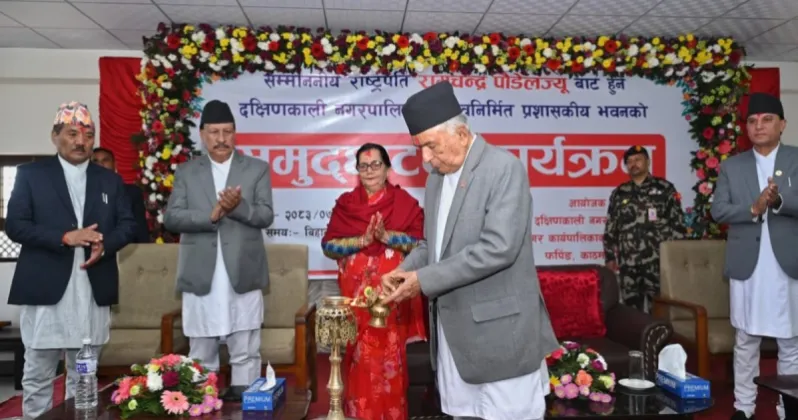
President Ram Chandra Paudel said in Kathmandu on Kartik 18 that the proper use of public resources, zero tolerance for corruption, the rule of law and ethical conduct are foundations of good governance, and that people holding public office should put service to citizens ahead of personal privileges.
Paudel's principles for good governance
Paudel identified responsible management of public resources as a central part of good governance. His remarks stressed that resources entrusted to public institutions should be used properly, linking the conduct of public officeholders with their responsibility to serve the public.
He also called for zero tolerance for corruption. By including the fight against corruption among the foundations of governance, Paudel underlined the importance of public officials acting with integrity and ensuring that public resources are not misused. His statement placed accountability and ethical conduct alongside the formal requirements of law.
The rule of law was another principle he highlighted. Paudel said good governance depends on adherence to the law, as well as on ethical conduct by those in public roles. Together, these principles describe an approach in which the use of public resources, the exercise of official responsibilities and the treatment of citizens are guided by legal and ethical standards.
Public service over personal privilege
Paudel said people holding public office should prioritise service to the people over personal privileges. The call places the responsibilities of public office at the centre of his message: officials are expected to focus on serving citizens rather than using their positions to advance their own interests or comfort.
His remarks connected that expectation with the wider principles he outlined. Proper use of public resources concerns how public responsibilities are carried out, while zero tolerance for corruption and respect for the rule of law concern the standards governing that work. Ethical conduct, in turn, is part of how public officeholders are expected to discharge their duties.
The emphasis on service also framed public office as a responsibility rather than a source of personal advantage. Paudel's message was that the people entrusted with public roles should put citizens first and observe the standards required for good governance.
A call for accountable conduct
The principles Paudel listed address both the management of public resources and the conduct of those who manage them. His remarks brought together lawful decision-making, ethical behaviour and resistance to corruption, while stressing that public officials should remain focused on service to the people.
The statement did not set out specific measures or describe a particular programme. Instead, it presented broad standards for governance and public service: use public resources properly, reject corruption, follow the rule of law, act ethically and place citizens' service ahead of personal privileges.
Taken together, those standards form the basis of the message Paudel delivered in Kathmandu on Kartik 18. He said good governance depends not only on the principles that guide public institutions, but also on the conduct and priorities of the people who hold public office.