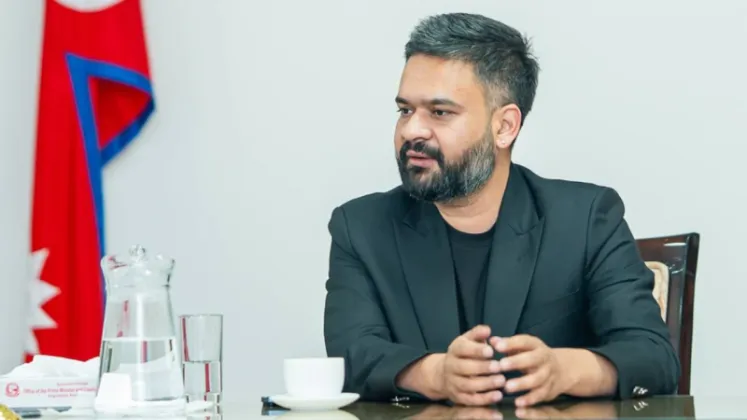
Prime Minister Balen Shah on Thursday received a detailed briefing on the country's peace and security situation from the heads of Nepal's security agencies, during which the Prime Minister issued directives on security matters, according to reports by Nepal Views and Nepal Lead. The briefing covered peace, security and crime-related issues, and the heads of the security bodies were present at the meeting. The session brought the country's top security leadership directly before the head of government, underscoring the priority the Prime Minister's office has placed on law-and-order and internal security at a time when public attention to safety concerns remains high.
Security Chiefs Brief the Prime Minister
The briefing was attended by the heads of Nepal's security bodies, who presented the Prime Minister with an account of the prevailing peace and security situation, the reports said. While the initial coverage did not name each of the chiefs individually, the presence of the security leadership as a group reflected the consolidated nature of the exercise, which was designed to give the Prime Minister a single, unified picture of the security landscape.
According to the reports, the discussion spanned three broad areas:
- Peace - the overall state of peace in the country and the conditions underpinning public order
- Security - the broader security situation as assessed by the agencies responsible for protecting the nation
- Crime-related issues - matters connected to crime and its impact on citizens
Briefings of this nature are a standard mechanism through which a head of government receives input from the institutions tasked with maintaining internal order and national security. By convening the chiefs in one room, the Prime Minister was able to hear directly from each agency rather than relying solely on written reports passed through intermediaries.
Focus on Crime and Public Order
The inclusion of crime-related issues on the agenda is notable, as crime concerns sit at the intersection of policing, public administration and community life. In security briefings, such discussions typically cover the law-and-order situation, trends in criminal activity and the readiness of the agencies to respond. The reports did not itemize every subject raised, but the coverage confirms that crime formed a core part of the conversation between the Prime Minister and the security chiefs.
Directives from the Prime Minister
During the meeting, Prime Minister Balen Shah issued directives on security matters, the reports said. The specific contents of those directives were not detailed in the initial coverage, leaving open the question of which priorities the Prime Minister emphasized as the agencies move forward.
Directives issued by a prime minister to security chiefs generally serve to set the direction of government policy on security, signal the leadership's expectations of the agencies and establish priorities for coordinated action. In this case, the fact that the directives followed a full briefing on peace, security and crime suggests they were grounded in the assessments presented by the chiefs themselves. Further details may emerge as the offices involved release fuller readouts of the discussion.
Nepal's Security Leadership and the Chain of Accountability
Nepal's security structure brings together several institutions whose heads collectively form the country's security leadership. These typically include the Nepal Army, the Nepal Police, the Armed Police Force and the national intelligence agency, each with distinct mandates spanning national defense, policing, paramilitary duties and information gathering. As head of the government, the Prime Minister sits at the apex of the political chain of command over the security apparatus, which makes direct briefings between the Prime Minister and the chiefs an important point of civilian oversight.
Such meetings serve several purposes:
- They allow the government's political leadership to hear agency assessments firsthand
- They give security chiefs a clear sense of the government's priorities
- They help align the work of multiple agencies that often operate in parallel
- They provide a forum in which the Prime Minister can issue instructions that cut across institutional lines
For the agencies, the opportunity to brief the Prime Minister directly is equally significant, as it places their concerns and requirements before the highest level of elected authority.
What the Reports Leave Open
The initial coverage of Thursday's meeting was concise, confirming the briefing, the attendance of the security chiefs, the three broad areas of discussion and the issuance of directives by Prime Minister Balen Shah. The reports did not include the full list of attendees, the specific assessments shared in the room, or the text of the directives issued. No reactions from opposition leaders, civil society or the agencies themselves were included in the available coverage.
As is often the case with high-level security meetings, a fuller public accounting may follow only if the Prime Minister's office or the security agencies choose to publish a detailed statement. For now, the confirmed outlines of the meeting establish that the new engagement between the Prime Minister and the security establishment has taken place, with peace, security and crime at its center and with the Prime Minister setting out his expectations in the form of direct directives.