
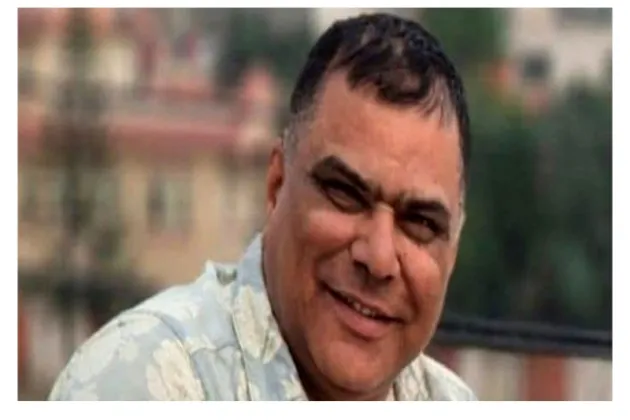
Police in Kathmandu have arrested two journalists in separate operations reported on the same day, with a central member of the Journalists' Federation confirming both detentions. Bishwamani Subedi, a journalist who works at Nepal Press, was taken into custody from the outlet's office, while Shovraj Baral, who has been described as a chairman, was arrested separately, according to Surya Subedi, a central member of the Journalists' Federation, who confirmed the developments to Ratopati.
Two Journalists Detained in the Capital
Arrest from the Nepal Press newsroom
The first arrest took place at the Kathmandu office of Nepal Press itself. As reported by My Republica, police detained Bishwamani Subedi from the Nepal Press newsroom, meaning the journalist was taken into custody from the very workplace where he carries out his reporting. Arrests carried out inside a working newsroom tend to attract immediate attention from colleagues and media houses, and the visible nature of this detention is expected to generate questions about how and why it was conducted.
Shovraj Baral arrested separately
Separately, police arrested Shovraj Baral on the same day. The information about Baral's detention was confirmed by Surya Subedi in remarks to Ratopati. Baral was identified in that account as a chairman, although the reports published so far have not specified which organisation he chairs, the precise location of his arrest, or the circumstances under which he was taken into custody. Ratopati's headline renders his first name as "Shobhraj," a variant spelling of the name given as Shovraj in the broader coverage of the case.
Key facts confirmed so far:
- Bishwamani Subedi, a journalist at Nepal Press, was arrested by police from the outlet's office in Kathmandu.
- Shovraj Baral, also a journalist and identified as a chairman, was arrested in a separate action.
- Surya Subedi, a central member of the Journalists' Federation, confirmed both arrests to Ratopati.
- Both arrests were reported on the same day, making it a striking single-day development for Nepal's media community.
The Federation's Confirmation
The public confirmation of both detentions came from Surya Subedi, a central member of the Journalists' Federation. Such confirmations matter because they come from within the journalist community itself, often before the police have issued any public statement of their own. Federations representing journalists in Nepal are frequently the first to document detentions, to reach out to the families and newsrooms affected, and to press the authorities for an official account of why a media worker has been taken into custody. In this case, the federation's account established two essential facts: that both men are journalists, and that both arrests happened on the same day.
Because the Journalists' Federation is structured around central and other members who monitor the situation of journalists across the country, the involvement of a central member suggests the two arrests are already being treated as a matter of institutional concern rather than as isolated incidents involving two individuals. That is significant for how the cases develop. When a federation engages at an early stage, the detained journalists' side of the story tends to reach the public faster, and pressure builds for transparency about the legal basis of any detention.
Grounds for the Arrests Remain Unclear
Neither of the reports published so far specifies the charges, if any, that the two journalists face, or the investigations to which the arrests may be linked. No detailed police statement on either arrest has been quoted in the available coverage. This absence of an official explanation leaves several basic questions open, including when exactly each arrest took place, where the two men are being held, whether they have been granted access to lawyers, and what, if any, documents the police relied on at the time of detention.
That uncertainty places the focus on the next procedural steps. Journalists' organisations in Nepal routinely call on the authorities to make the legal grounds for any arrest explicit and to ensure that anyone taken into custody is produced before a court within the period required by law. Whether those steps are followed visibly in these two cases will shape how the arrests are judged by the media community and by press freedom observers in the days ahead.
A Development the Press Will Watch Closely
The detention of two journalists on a single day in the capital is exactly the kind of development that the country's media community follows closely, and the confirmation by the Journalists' Federation means the cases are already on the record of the body that represents journalists' interests. Coverage of the arrests has so far come from My Republica, Khabarhub and Ratopati, three outlets that have kept the basic facts in the public domain even as fuller official accounts remain awaited.
Further developments, including any statement from the police, any clarification of the charges involved, and any reaction from the Journalists' Federation or other press freedom organisations, are likely to determine how the story unfolds. As matters stand, the confirmed core of the story is straightforward: two journalists, Bishwamani Subedi of Nepal Press and Shovraj Baral, were arrested in Kathmandu on the same day, and the arrests have been publicly confirmed by Surya Subedi of the Journalists' Federation.
Further reading:


