
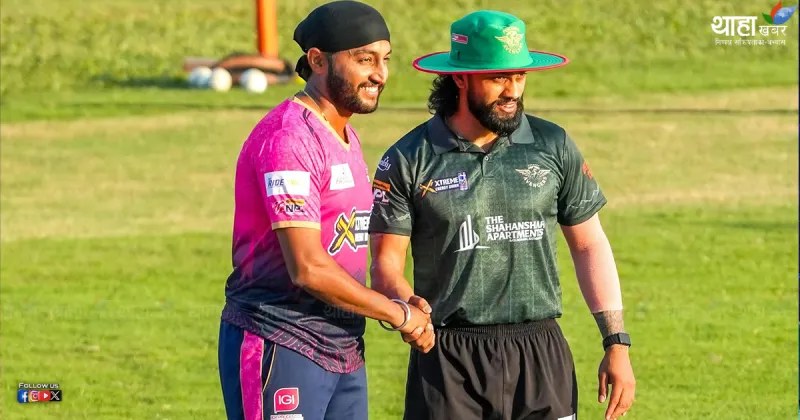
Pokhara won the toss and elected to field, inviting Janakpur Bolts to bat first in their ongoing cricket fixture. The decision was announced at the toss shortly before play, handing Janakpur Bolts first use of the pitch and giving Pokhara's bowlers the job of opening the match. With the formalities settled, attention now turns to how the Janakpur Bolts innings unfolds and whether Pokhara's call at the toss proves to be the decisive one.
Pokhara opt to bowl first after winning the toss
The toss is both the ceremonial and the tactical starting point of any cricket match, and on this occasion it went Pokhara's way. Having won the toss, the Pokhara side considered its options and chose to field, a decision that immediately set the shape of the contest. Janakpur Bolts were sent in to bat, meaning they will take first strike at the crease, while Pokhara take the field with the task of keeping the total in check.
Electing to bowl first is a call captains weigh carefully. A side that fields first can watch how the pitch behaves before its own batters are exposed, and it can also chase with complete clarity, knowing exactly how many runs are needed and at what rate. The team batting first, by contrast, has the chance to set the tone of the match and post a target its bowlers can then defend. By inviting Janakpur Bolts to bat, Pokhara have effectively handed their opponents the responsibility of scoring first while keeping a calculated chase within their own reach.
Janakpur Bolts handed the opening role with the bat
For Janakpur Bolts, the immediate task is to make the most of the innings they have been given. Batting first means facing the match at its freshest, with the new ball in play and the opening overs typically the most demanding period for batters. A solid start can allow an innings to build momentum, while early setbacks can force a team to spend the rest of its allocation simply repairing the damage.
Pokhara, meanwhile, begin the match with the ball in hand. Their bowlers have the first opportunity to test the conditions and to strike before Janakpur Bolts can settle, and the fielding side will know that early wickets would vindicate the captain's decision at the toss. The way the opening phase of the innings plays out is likely to influence the tempo of everything that follows, whichever way it swings.
What the toss decision means in context
In cricket, few pre-match moments shape strategy like the toss. Teams that prefer chasing value the certainty of a known target; teams that prefer batting first prize the chance to put runs on the board and then bowl with freedom. Pokhara's choice to field signals the approach it wants to take in this fixture, and Janakpur Bolts now hold the first opportunity to test the conditions and set the benchmark against which the rest of the match will be judged.
The match forms part of an ongoing cricket fixture between the two sides, each carrying the name of its home city. Fixtures between city-based teams tend to carry a regional edge for supporters, adding an extra layer of interest for fans following from Pokhara, Janakpur and beyond. As with any contest influenced heavily at the toss, the side that adapts better to the circumstances created by that decision is often the one that finishes ahead.
Where to follow the match
The toss outcome and the decision to bowl first were reported by Thaha Khabar and Nepal Views, both of which confirmed that Janakpur Bolts were sent in to bat first. Readers looking for further updates can follow the two outlets for score developments, key turning points and reaction as the match progresses from the toss through to its conclusion.
As the innings gets under way, the focus will be on whether Janakpur Bolts can capitalise on batting first and post a competitive total, and on whether Pokhara's bowlers can justify their captain's call with early breakthroughs. The toss has set the framework for the contest; how the two sides perform within it will decide the story of the match.


